







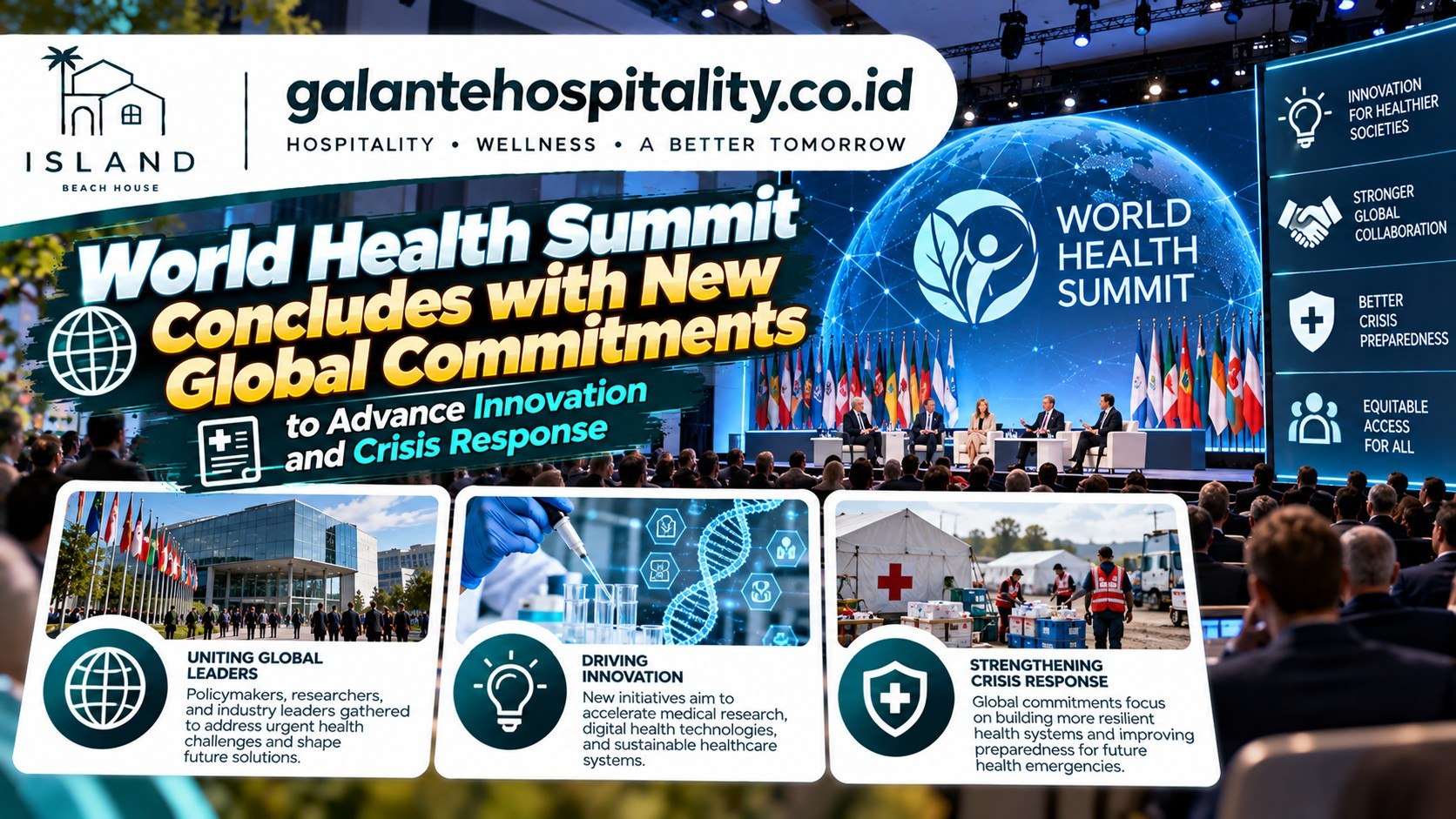

The World Health Summit 2026 concluded in Berlin with renewed calls for international cooperation, stronger health systems, and sustained investment in medical innovation. Held under the theme “From Crisis to Resilience: Innovating for Health,” the event brought together policymakers, researchers, healthcare professionals, civil society representatives, and private-sector leaders to discuss some of the most pressing challenges facing global health.
According to the summit’s official closing announcement on October 13, the three-day event attracted more than 4,000 on-site participants from 130 countries and territories. More than 400 speakers contributed to 76 sessions, while online broadcasts generated over 50,000 livestream views.
The discussions highlighted the need to move beyond emergency responses and establish long-term systems capable of preventing, managing, and recovering from health crises.
Global Health Systems Face Interconnected Challenges
Health emergencies rarely occur in isolation. Infectious disease outbreaks, armed conflicts, climate-related risks, financial constraints, and unequal access to medical services can reinforce one another.
When healthcare facilities experience staff shortages or supply disruptions, their ability to respond to emergencies may weaken. Communities with limited access to preventive care can also face greater difficulties when disease outbreaks occur.
The summit emphasized the importance of building health systems that remain functional under pressure. This includes strengthening healthcare infrastructure, improving disease surveillance, supporting medical professionals, and maintaining reliable access to essential medicines.
International cooperation is particularly important when a health threat crosses national borders. Governments need mechanisms for sharing information, coordinating research, and preparing responses before an emergency becomes widespread.
These measures can help countries respond more effectively while reducing the risk that local health problems develop into larger international crises.
New Funding Commitments Support Health Innovation
One of the summit’s major announcements concerned a planned €250 million women’s health initiative involving the Government of Bangladesh and the European Investment Bank.
The initiative aims to improve women’s healthcare and strengthen district hospitals and critical care services. Its focus reflects the importance of accessible healthcare facilities in delivering essential services to communities.
Another announcement involved a US$100 million commitment from the Gates Foundation and Wellcome Leap for the Uzima stillbirth prevention program. The initiative aims to demonstrate that stillbirth rates can be reduced by half within a decade in selected countries.
These commitments illustrate how international financing can support research, healthcare delivery, and interventions targeting specific health challenges.
However, financial pledges alone do not guarantee better health outcomes. Their effectiveness depends on implementation, access to healthcare services, appropriate allocation of resources, and the ability to measure results over time.
Medical Research and Innovation Remain Central Priorities
Medical innovation was another major theme at the summit. New research, improved diagnostic methods, digital health systems, and better approaches to disease prevention can help healthcare providers respond to changing patient needs.
Artificial intelligence may support certain healthcare activities, including medical image analysis, research workflows, administrative processes, and the identification of patterns in large datasets.
Nevertheless, the use of AI in healthcare requires careful oversight. Medical systems must be evaluated for reliability, privacy protection, potential bias, and their suitability for particular clinical settings.
Human expertise remains essential when interpreting medical findings and making treatment decisions. Technology should support healthcare professionals rather than replace the clinical judgment required for complex cases.
The summit also highlighted research into major long-term threats to human health, reinforcing the need for scientific collaboration and sustained investment in prevention.
Pandemic Preparedness Requires Long-Term Planning
Preparing for future outbreaks was another important focus of the World Health Summit 2026.
Experience from previous emergencies has demonstrated the importance of maintaining surveillance systems, strengthening laboratories, ensuring access to essential supplies, and establishing clear communication between health authorities.
Preparedness cannot be developed effectively only after an outbreak begins. Countries need reliable funding, trained personnel, emergency plans, and coordination mechanisms that remain active during periods without major crises.
The summit’s discussions reinforced the need to sustain investments in epidemic and pandemic prevention rather than allowing preparedness efforts to decline when immediate threats appear to have passed.
International organizations, national governments, research institutions, and healthcare providers all have roles in maintaining these capabilities.
Stronger preparedness can help reduce delays in detecting health threats and improve the coordination of public health responses when new emergencies emerge.
Climate Change and Conflict Add Pressure to Healthcare
Climate-related events and armed conflicts can disrupt access to healthcare, damage facilities, and increase the vulnerability of affected populations.
Extreme weather may interrupt transportation, compromise water supplies, and place additional pressure on hospitals. Conflict can displace communities, interrupt treatment for chronic conditions, and make it difficult for medical personnel to reach people in need.
Addressing these challenges requires cooperation between health authorities and organizations responsible for emergency response, infrastructure, and humanitarian assistance.
Healthcare facilities also need contingency plans for power disruptions, supply shortages, and sudden increases in patient demand.
The summit’s broader message was that health resilience depends on recognizing connections between medical services, economic conditions, environmental risks, and social stability.
Rebuilding Public Trust in Science
Public confidence in scientific information is essential for effective healthcare. People are more likely to follow public health guidance when they understand the evidence behind recommendations and trust the institutions communicating it.
The summit featured findings from the Wellcome Global Monitor 2026, which reported a decline in public trust in science compared with levels before the COVID-19 pandemic.
Rebuilding trust requires transparent communication, clear explanations of scientific uncertainty, and accessible information from credible sources.
Health authorities should distinguish established evidence from preliminary findings and explain why recommendations may change as new research becomes available.
Digital platforms also create opportunities to distribute reliable health information, but they can accelerate the spread of misleading medical claims. Improving public understanding of scientific evidence remains an important part of the response.
Turning Global Commitments into Measurable Results
The conclusion of the World Health Summit marks an opportunity to translate international discussions into practical action.
Governments and health organizations need to establish clear priorities, identify funding sources, and measure progress against specific objectives. Transparent reporting can help determine whether commitments lead to stronger healthcare services and better outcomes for communities.
The next stage will require cooperation across countries and sectors. Researchers can develop new interventions, governments can strengthen health policies, and healthcare providers can help ensure that effective solutions reach patients.
For international commitments to have lasting value, progress must continue beyond the summit itself.
A More Resilient Future for Global Health
The World Health Summit 2026 highlighted the importance of innovation, international cooperation, and sustained investment in addressing global health challenges.
Its announcements included new funding commitments for women’s health, stillbirth prevention, and maternal and child health, alongside discussions about pandemic preparedness, scientific trust, and emerging threats.
The long-term impact of these initiatives will depend on how effectively they are implemented and whether their benefits reach the communities that need them most.
As countries face increasingly interconnected health risks, building resilient healthcare systems will require more than emergency funding or technological advances alone. Strong institutions, reliable public services, evidence-based policies, and international collaboration will remain essential to protecting health and preparing for future crises.


