







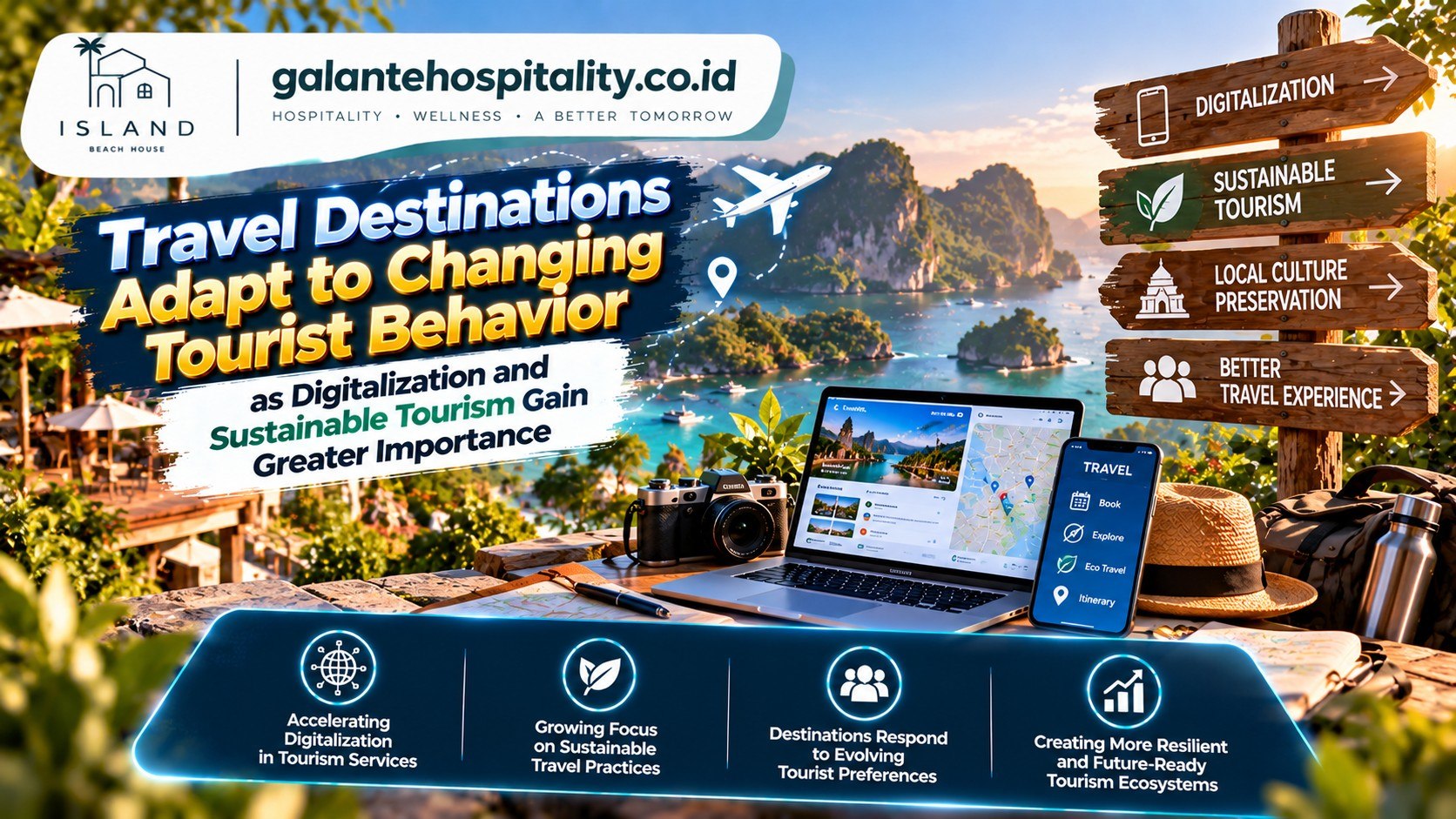

Tourism destinations around the world are adapting to changing visitor expectations as travelers become more digitally connected and increasingly conscious of sustainability.
The global tourism sector has demonstrated strong resilience in recent years, but economic uncertainty, geopolitical developments, environmental pressures and changing consumer behavior are forcing destinations to reconsider how tourism is managed.
The 2026 OECD tourism report highlights the need for flexible and coordinated policies that can create a more sustainable, resilient and competitive tourism sector. OECD
Tourism Is No Longer Only About Visitor Numbers
For many years, tourism success was often measured by the number of visitors arriving at a destination.
Today, the industry is increasingly looking beyond visitor volume.
A destination may attract millions of tourists but still face problems if infrastructure cannot handle demand, local communities receive limited economic benefits or environmental resources become overstretched.
Modern tourism strategies are therefore increasingly focused on visitor quality, local economic benefits and environmental sustainability.
This approach can help destinations maintain tourism growth without sacrificing the qualities that attract visitors in the first place.
Digitalization Is Reshaping the Visitor Experience
Digital technology now influences almost every stage of a journey.
Travelers can research destinations online, book accommodation through mobile applications, use digital payment systems and navigate unfamiliar locations with smartphones.
For destinations, this creates opportunities to improve visitor services.
Digital platforms can provide real-time information about transportation, weather, attractions and crowd levels.
Tourism authorities can also use data to understand visitor behavior and improve infrastructure planning.
The OECD reports that tourism data systems and digital tools are becoming increasingly important for more timely and detailed decision-making. OECD
AI Could Make Tourism Management More Efficient
Artificial intelligence is adding another layer to digital tourism.
AI can analyze large amounts of information and potentially help tourism organizations forecast demand, identify visitor trends and improve resource allocation.
Hotels and travel companies can use AI to personalize recommendations, while destinations can explore data-driven approaches to traffic management and visitor distribution.
This could become especially valuable for destinations that experience seasonal overcrowding.
Instead of allowing tourists to concentrate in a few famous locations, digital platforms could encourage visitors to explore alternative attractions and nearby communities.
Sustainability Is Becoming a Core Tourism Strategy
Sustainable tourism is no longer simply a marketing concept.
Environmental pressure, climate risks and changing traveler expectations are encouraging governments and businesses to make sustainability part of long-term tourism planning.
This includes improving waste management, protecting natural areas, supporting efficient transportation and encouraging responsible use of local resources.
Tourism destinations also need to consider the social dimension of sustainability.
Local residents should have opportunities to benefit from tourism rather than simply experiencing the costs associated with increased visitor numbers.
Transportation Remains Critical
Reliable transportation is another essential component of a successful tourism destination.
Visitors need convenient connections between airports, hotels, attractions and local communities.
Improving public transportation can also reduce congestion and environmental pressure.
As tourism continues to grow, destinations may need to invest in transportation systems that are efficient, accessible and resilient.
The OECD identifies reliable transport systems as important to connectivity and the overall visitor experience. OECD
Destinations Must Prepare for a More Uncertain Future
Tourism is vulnerable to external disruptions.
Geopolitical conflicts, extreme weather, economic instability and changing travel regulations can affect visitor demand quickly.
This makes resilience an increasingly important part of destination management.
The goal is not simply to prepare for one specific crisis but to build tourism systems capable of adapting to different circumstances.
Flexible policies, diversified tourism products, strong digital infrastructure and collaboration between governments and businesses can help destinations respond more effectively.
A New Model for Global Tourism
The future of travel is likely to be shaped by a combination of technology and sustainability.
Destinations that invest in digital services can make travel more convenient, while sustainability initiatives can help protect natural and cultural resources.
At the same time, tourism businesses need to maintain a strong connection with local communities.
The most successful destinations may therefore be those that do not simply ask how to attract more tourists, but how to create better experiences while ensuring tourism remains beneficial and sustainable over the long term.


