







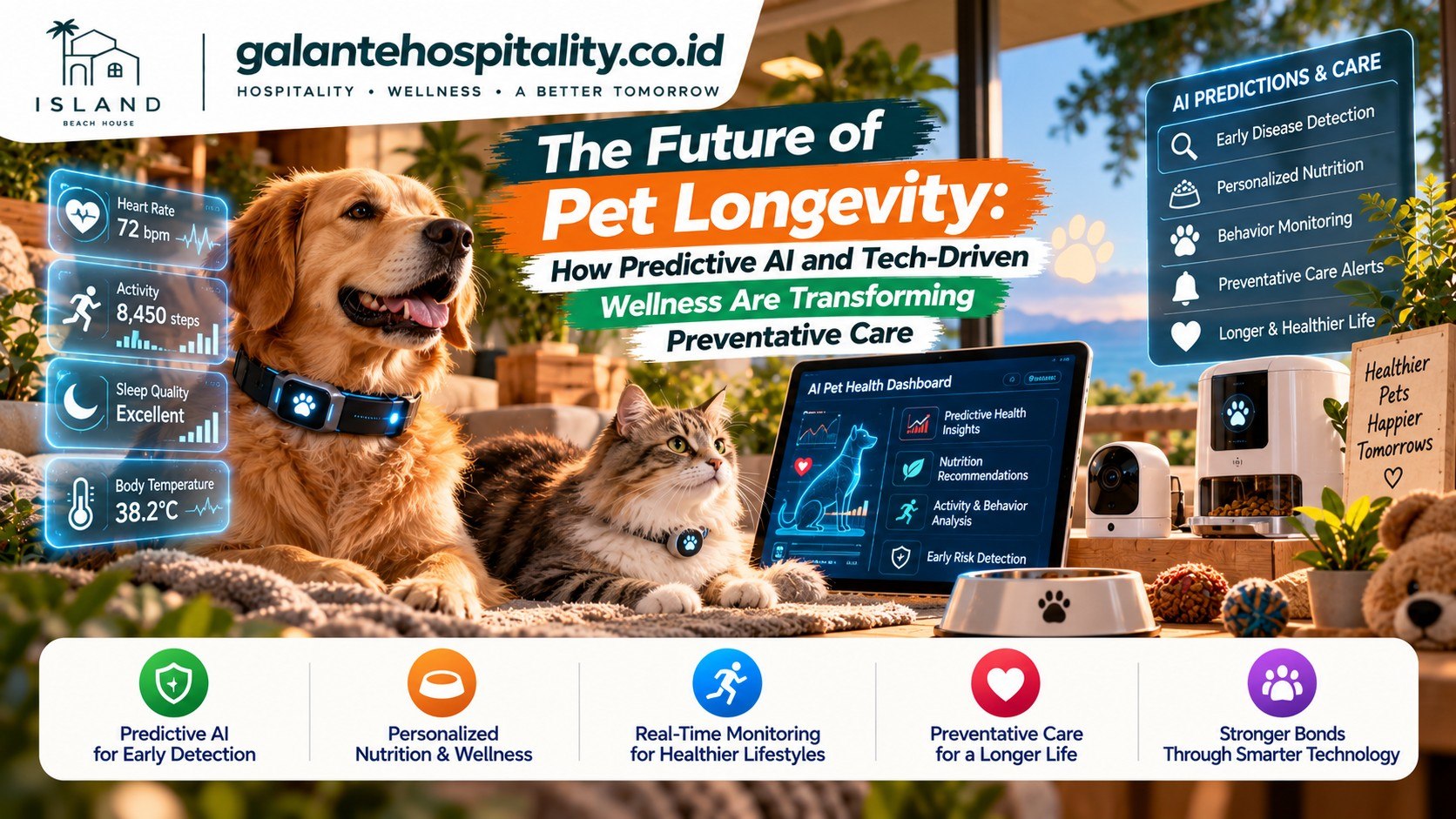

Pet care is entering a technology-driven era. Connected devices, digital health records, wearable trackers, and artificial intelligence are creating new ways for owners to monitor the wellbeing of their animals.
The goal is not simply to react when a pet becomes sick. Increasingly, technology is being used to support preventative care, allowing owners and veterinarians to identify changes in behavior or health that may deserve attention.
Technology Is Changing Pet Wellness
Modern pet technology can track several aspects of an animal’s daily routine.
Depending on the device, owners may monitor activity levels, sleep patterns, eating behavior, weight, or other indicators.
Tracking these patterns over time can provide useful information about changes in a pet’s normal routine.
AI Can Help Identify Patterns
Artificial intelligence can process large amounts of information and identify patterns that may be difficult to recognize manually.
For example, a monitoring system could potentially detect changes in activity or routine and notify an owner when a pattern differs from previous behavior.
These alerts should not automatically be interpreted as a medical diagnosis. Instead, they can provide a reason to pay closer attention or consult a veterinarian.
Preventative Care Starts with Observation
One of the simplest ways technology can support pet longevity is by encouraging regular observation.
Changes in appetite, activity, sleep, weight, or behavior can sometimes be important signals.
Digital tools can make it easier to keep records and share relevant information with veterinary professionals.
Nutrition Is Becoming More Data Driven
Technology is also influencing pet nutrition.
Connected feeding systems can help owners manage feeding schedules and portions. Digital records can make it easier to monitor changes in eating habits.
However, nutritional needs differ between animals. Age, size, breed, activity level, and existing conditions can all influence dietary requirements.
Professional veterinary advice therefore remains important when making significant changes to a pet’s diet.
Wearable Technology Could Support Long-Term Monitoring
Wearable devices are another area of interest in pet wellness.
Activity trackers can provide information about movement and daily routines. Over a longer period, this information may help owners understand what is normal for their pets.
The value of this technology comes from observing trends rather than relying on one isolated measurement.
Veterinarians Remain Central to Pet Healthcare
Technology can support pet owners, but it does not replace professional veterinary care.
AI-generated alerts and digital measurements still need to be interpreted in context. A veterinarian can combine those observations with physical examinations, medical history, diagnostic testing, and professional expertise.
This human-and-technology combination can make preventative care more informed.
The Future of Pet Longevity
The future of pet wellness is likely to involve closer integration between owners, veterinarians, connected devices, and AI-powered systems.
Predictive tools may help identify unusual patterns earlier, while wearable technology can provide more continuous information about everyday behavior.
For pet owners, the most valuable role of technology may be simple: helping them notice changes, maintain better records, and have more informed conversations with veterinary professionals.
As technology continues to develop, preventative pet care could become increasingly personalized and focused on long-term wellbeing.


