







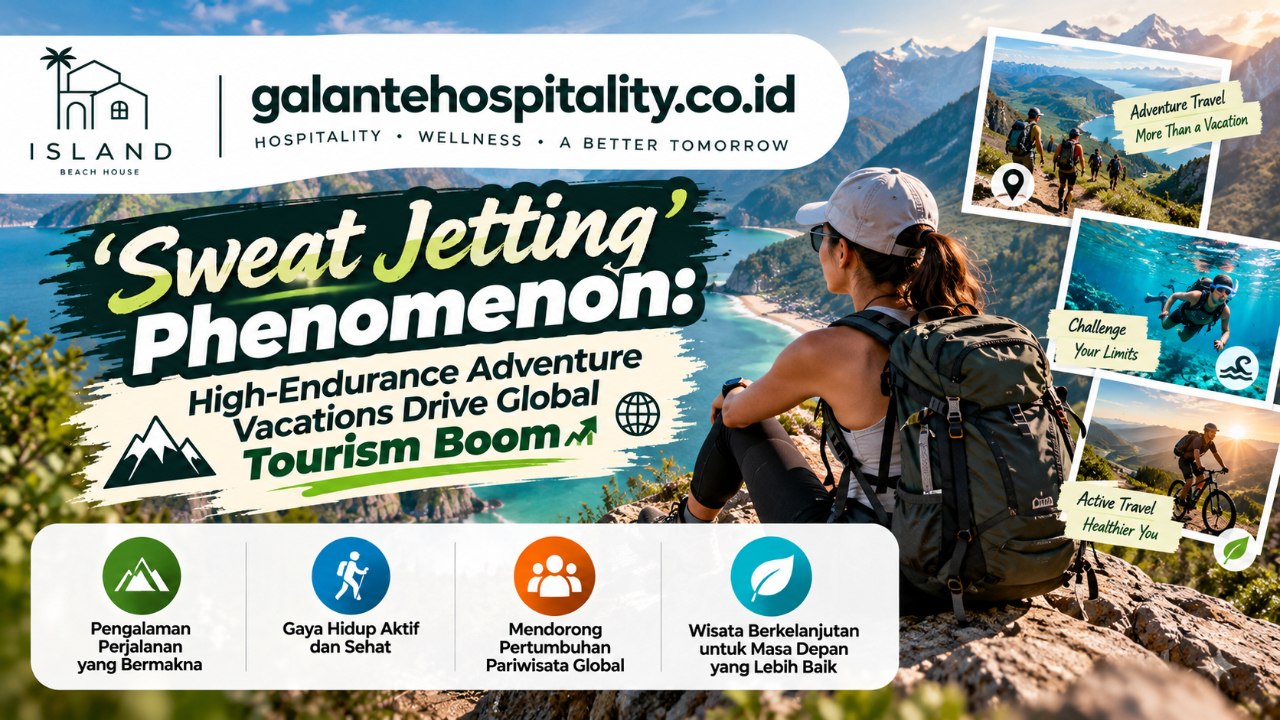

Adventure tourism is attracting travelers who want more than traditional sightseeing, with physically demanding experiences becoming an increasingly visible part of the global travel market. The term “sweat jetting” describes a style of vacation built around endurance activities, strenuous outdoor challenges, and immersive physical experiences.
Rather than spending most of their holiday relaxing at a resort, participants may choose multi-day hiking expeditions, mountain cycling, long-distance trail running, wilderness trekking, or challenging guided outdoor journeys. These trips combine travel with fitness, exploration, and personal achievement.
The trend reflects changing expectations among some travelers, particularly those seeking active experiences that provide a clear sense of accomplishment. It also creates new opportunities for destinations that can offer distinctive landscapes, qualified guides, and well-managed outdoor infrastructure.
Why Travelers Are Choosing More Active Holidays
Several factors are contributing to the appeal of endurance-focused vacations. Growing interest in fitness, outdoor recreation, and experiential travel has encouraged people to explore destinations through physical activities rather than conventional sightseeing alone.
Social media has also helped popularize challenging adventures. Images and videos of mountain summits, remote trails, ultramarathon events, and multi-day cycling routes can inspire travelers to pursue experiences that feel memorable and personally meaningful.
For some visitors, these holidays offer a structured way to combine exercise with time away from work. Others are attracted by the opportunity to discover remote communities, experience unfamiliar environments, and develop skills under the guidance of experienced professionals.
However, the appeal of endurance travel does not mean that every participant needs to be an elite athlete. Tour operators increasingly have an opportunity to design experiences for different fitness levels, from introductory trekking weekends to demanding expeditions requiring months of preparation.
Destinations Compete Through Unique Outdoor Experiences
The growth of adventure-focused travel can benefit destinations with mountains, forests, coastlines, deserts, and extensive trail networks. Regions that previously attracted visitors mainly for scenery may be able to develop new tourism products around guided hikes, cycling tours, climbing programs, and multi-day wilderness experiences.
Local businesses can benefit through accommodation, transport, equipment rental, food services, and professional guiding. Small communities may also gain opportunities to promote local culture and regional products to travelers who spend more time exploring areas beyond major tourist centers.
Destinations must nevertheless manage growth carefully. Popular trails can experience overcrowding, waste accumulation, habitat disturbance, and pressure on water supplies. Without appropriate visitor management, the very landscapes that attract adventure travelers can deteriorate.
Local authorities and tourism operators therefore have a strong incentive to invest in trail maintenance, waste management, visitor education, and conservation programs. Limiting group sizes in sensitive areas and encouraging travel during less crowded periods can also help reduce environmental pressure.
Technology Changes Adventure Planning
Digital tools are making it easier for travelers to organize demanding outdoor holidays. Mapping applications, GPS navigation, weather services, training platforms, and wearable devices can help participants prepare for unfamiliar terrain.
Travelers can use digital training plans to build endurance before departure, while route-planning tools can provide information about distance, elevation gain, and estimated completion times. Wearables may help users monitor exercise intensity and recognize when they need to slow down or take a break.
Still, technology cannot eliminate the risks associated with remote environments. GPS signals may become unreliable, batteries can run out, and weather conditions can change quickly. Travelers should carry appropriate backup navigation tools, emergency supplies, and communication equipment suited to the destination.
Professional guides remain important, particularly on technical routes or expeditions where local knowledge, first-aid training, and emergency planning can make a substantial difference.
Safety and Responsible Preparation Remain Essential
Endurance vacations can place considerable demands on the body. Travelers who attempt activities beyond their preparation level may face exhaustion, dehydration, altitude-related illness, heat stress, or injuries.
Responsible operators should communicate difficulty ratings clearly and explain the physical requirements of each itinerary. Participants should understand the expected daily distance, elevation changes, weather exposure, equipment requirements, and availability of emergency assistance.
Preparation should begin well before departure. Depending on the activity, travelers may need to develop cardiovascular fitness, improve strength, practice relevant technical skills, and become familiar with suitable equipment.
Insurance is another important consideration. Standard travel policies do not necessarily cover every adventure activity, particularly technical climbing, competitive endurance events, or activities conducted at high altitudes. Travelers should review exclusions and emergency evacuation provisions before booking.
Sustainability Becomes Central to Adventure Tourism
As demand grows, the tourism industry must consider how to prevent outdoor experiences from creating excessive environmental damage. Transport emissions, accommodation energy use, waste, and pressure on fragile ecosystems can all affect the sustainability of adventure travel.
Tour operators can reduce some impacts by supporting locally owned businesses, hiring local guides, minimizing disposable materials, and following established conservation guidelines. Travelers can contribute by respecting wildlife, staying on designated trails, carrying out their waste, and following local access restrictions.
The economic benefits of adventure tourism are also more likely to reach local communities when visitors use locally owned accommodation, restaurants, and guiding services. Transparent partnerships can help ensure that tourism growth supports residents rather than placing all benefits in the hands of outside operators.
What the Trend Means for the Travel Industry
The rise of sweat jetting creates opportunities for destinations to diversify their tourism offerings and attract visitors interested in active, experience-driven holidays. Travel companies may respond with specialized itineraries, training packages, equipment support, and programs that combine physical challenges with cultural activities.
The strongest products will likely be those that balance adventure with accessibility, safety, and environmental responsibility. Not every traveler wants an extreme expedition, and operators that offer several levels of difficulty may reach a wider audience.
Ultimately, endurance-focused vacations illustrate how travel preferences are evolving. For a growing segment of the market, the value of a holiday comes not only from where people go but also from what they experience and accomplish along the way.
If destinations can manage visitor numbers, protect natural environments, and provide appropriate safety standards, active adventure tourism can become a meaningful source of economic opportunity while preserving the landscapes that make these experiences possible.


