







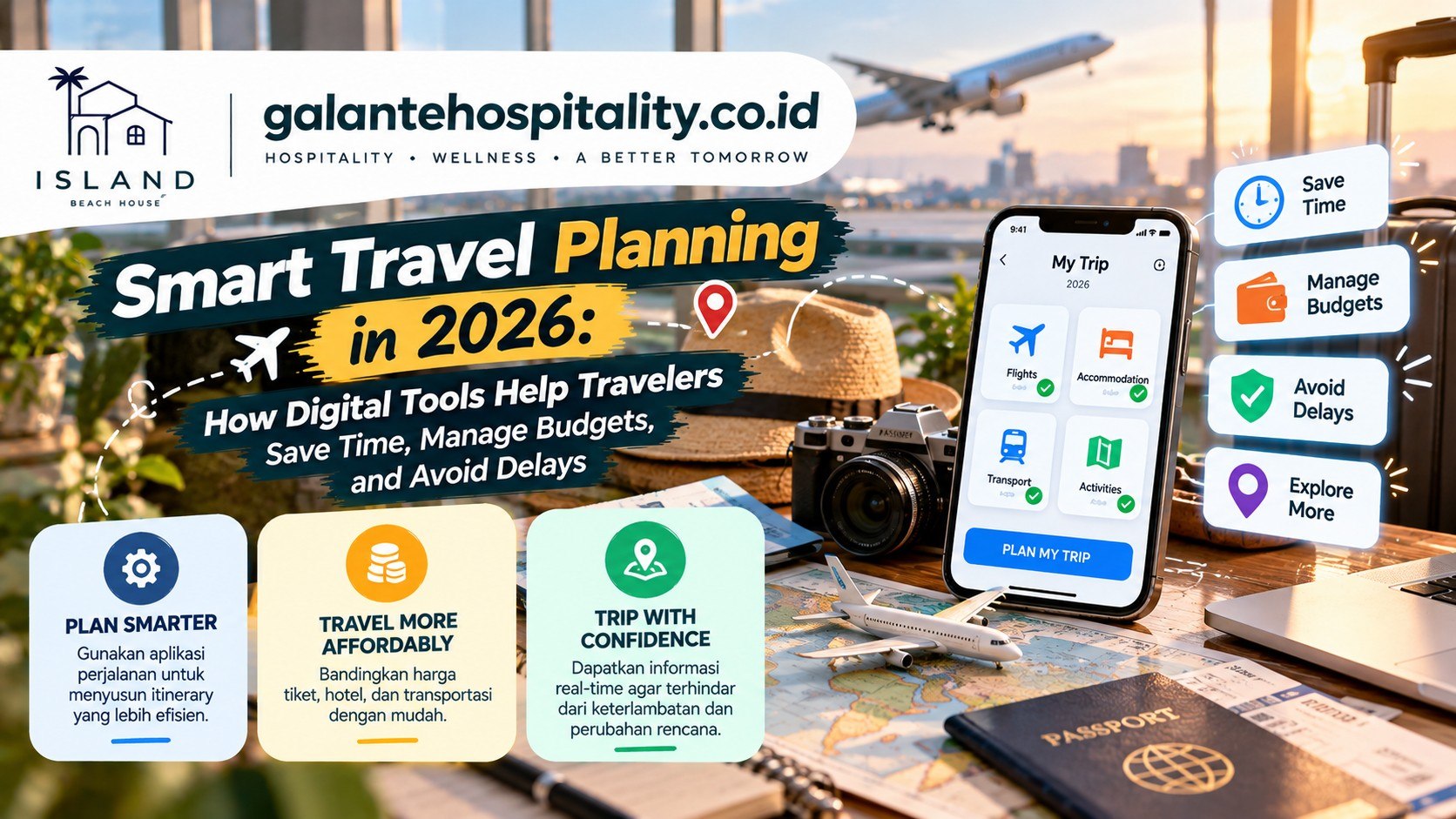

Planning a trip has become easier with the growing availability of digital travel tools. Travelers can compare accommodation prices, research destinations, organize transportation, and manage reservations using smartphones and online platforms. These resources help people make informed decisions before leaving home and adjust their plans when unexpected changes occur.
However, having access to more information does not always make travel planning simpler. Comparing too many options, relying on outdated information, and overlooking additional expenses can create confusion. A practical travel plan should combine useful digital tools with realistic expectations, careful budgeting, and enough flexibility to handle unexpected situations.
Digital Tools Simplify Travel Research
Travelers can use online search platforms, digital maps, airline websites, and accommodation services to gather information about destinations. These tools make it easier to compare prices, review available facilities, and understand how different locations fit into an itinerary.
Digital maps are particularly useful when estimating distances between attractions, identifying transportation connections, and locating essential services. Travelers can also download offline maps when visiting areas where internet access may be unreliable.
Artificial intelligence tools can assist with brainstorming destinations, organizing daily activities, and creating preliminary itineraries based on interests and budgets. For example, a traveler planning a three-day city break can use an AI assistant to generate a suggested schedule and then verify opening hours, transportation options, and ticket availability through official sources.
These tools are most useful when they support decision-making rather than replace verification. Travel conditions, entry requirements, and operating schedules can change, so important information should always be checked before departure.
Budget Management Helps Prevent Unexpected Expenses
One of the most important aspects of travel planning is understanding the full cost of a trip. Airfare and accommodation may represent major expenses, but local transportation, meals, activities, insurance, and additional fees can significantly increase the final budget.
Travelers should create a spending estimate before booking. Separating expenses into categories makes it easier to identify where money is likely to be spent and which costs can be adjusted.
For instance, someone planning a family holiday may decide to spend more on convenient accommodation while choosing less expensive dining options. Another traveler may prioritize guided activities and select a simpler hotel.
Price comparison tools can help identify different options, but the lowest displayed price does not always represent the best value. Travelers should examine baggage allowances, cancellation policies, payment conditions, location, and additional charges before making a reservation.
Setting aside an emergency fund is also useful. Unexpected transportation changes, medical needs, or accommodation problems can create costs that were not included in the original plan.
Travel Apps Can Help Reduce Delays
Transportation applications allow travelers to check schedules, receive booking updates, and review alternative routes. Depending on the service, notifications may provide information about delays, cancellations, gate changes, or other disruptions.
Travelers should keep important booking confirmations accessible and maintain a backup copy of essential documents. Saving reservation numbers, accommodation addresses, and emergency contacts offline can be helpful when mobile connectivity is limited.
It is also wise to allow sufficient time for airport procedures, international connections, and transfers between transportation services. An itinerary with extremely short connection times may appear efficient but can become stressful when a delay occurs.
When disruptions happen, official airline, railway, or transport operator channels should be the primary source of updated information. Third-party applications can provide useful assistance, but their information may not always be immediate.
Personal Data Security Matters While Traveling
Using digital services while traveling also introduces privacy and cybersecurity considerations. Public Wi-Fi networks, unfamiliar charging stations, and fraudulent booking messages may expose users to security risks.
Travelers should use trusted applications, keep devices updated, and enable multi-factor authentication for important accounts. Sensitive transactions are best handled through secure connections, and unexpected messages requesting passwords or payment information should be treated cautiously.
Before installing a travel application, users should check its developer, permissions, and privacy practices. Applications do not need access to every type of personal information to provide useful travel services.
Keeping a device protected with a strong screen lock and maintaining secure backups can also reduce the consequences of loss or theft.
Build an Itinerary That Allows Flexibility
A good travel plan should provide structure without making every hour dependent on a fixed schedule. Travelers can identify their most important activities, group nearby attractions together, and leave some time for rest or unexpected discoveries.
Checking weather forecasts before outdoor activities can help travelers adjust their plans. Similarly, researching local customs and transportation arrangements can prevent avoidable misunderstandings.
Digital tools are valuable because they make information more accessible and help travelers organize complex arrangements. Their benefits are greatest when combined with careful research and sensible planning.
In 2026, travelers have more options than ever for managing trips through digital platforms. By comparing costs, verifying information, protecting personal data, and preparing for disruptions, they can make travel more convenient while maintaining control over their time and budget.


