







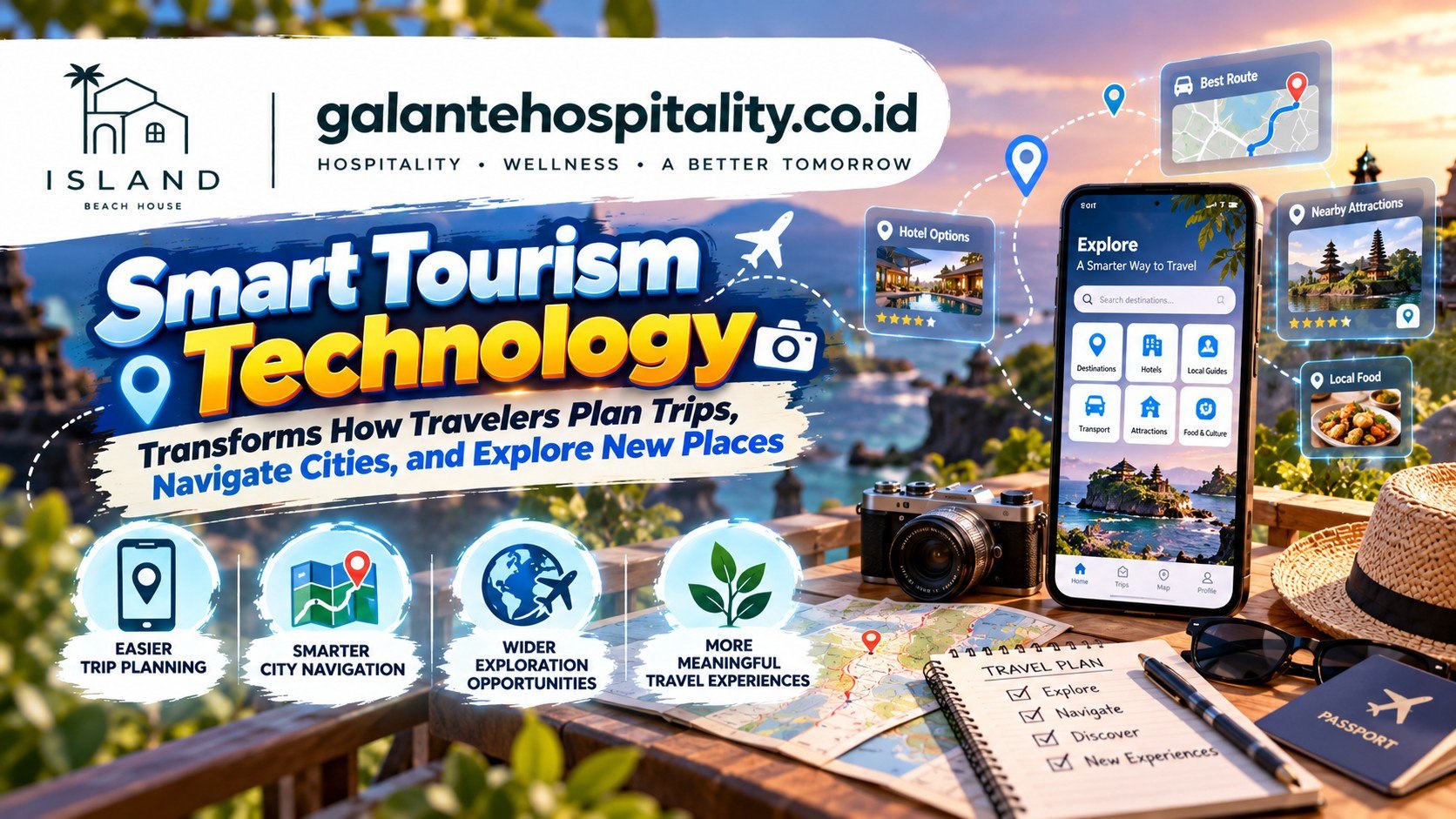

Smart tourism technology is changing how people plan holidays, navigate unfamiliar cities, and discover destinations around the world. Mobile applications, artificial intelligence, digital booking platforms, real-time transportation updates, and contactless services are making many parts of the travel experience more convenient.
Travelers can now compare accommodation, research attractions, translate languages, receive navigation guidance, and organize itineraries through digital tools. At the same time, tourism businesses and destination managers are using technology to understand visitor demand, manage resources, and improve customer service.
As digital solutions become more common, the challenge is to use them in ways that make travel easier without compromising privacy, accessibility, or the personal experiences that make exploring new places meaningful.
How Smart Tourism Technology Works
Smart tourism combines digital services and data-driven systems to improve the way destinations and tourism businesses operate.
For travelers, these systems may include mobile booking platforms, electronic tickets, digital maps, online travel guides, and applications that provide information about attractions or public transportation.
For tourism operators, technology can support reservation management, customer communication, demand forecasting, and the coordination of services across multiple channels.
Some destinations also use connected sensors and digital monitoring systems to understand traffic conditions, estimate visitor flows, or manage public facilities. When implemented responsibly, these systems can help local authorities make better-informed decisions about infrastructure and tourism planning.
The exact capabilities vary by destination. A major international city may offer integrated transportation and ticketing systems, while a smaller tourism area may rely on simpler mobile services and online information.
Artificial Intelligence Makes Trip Planning More Personalized
Artificial intelligence is becoming a useful tool for travelers who want to organize trips around their interests, schedules, and budgets.
AI-powered planning tools can help users compare destinations, generate sample itineraries, identify nearby attractions, and organize activities by location. Travelers may also use conversational assistants to explore transportation alternatives or understand local customs before departure.
For example, a visitor planning a three-day city break might request an itinerary that combines museums, local food, public transportation, and time for relaxation. An AI assistant can suggest a starting plan that the traveler then adjusts according to opening hours, accessibility needs, and personal preferences.
However, generated recommendations should not be accepted without verification. AI tools may provide outdated opening times, inaccurate transport information, or suggestions that do not reflect current local conditions.
Travelers should confirm important details through official attraction websites, transport operators, accommodation providers, and relevant government advisories.
Real-Time Navigation Improves the Travel Experience
Navigation technology has become an essential part of modern travel. Digital maps can help visitors identify routes, locate restaurants, estimate journey times, and explore unfamiliar neighborhoods.
When integrated with current transportation information, these tools can also help travelers compare routes and respond to disruptions.
Real-time updates are particularly useful in destinations affected by heavy traffic, public transportation delays, weather disruptions, or seasonal visitor demand. Travelers may be able to adjust departure times, choose alternative routes, or avoid crowded areas.
Nevertheless, digital navigation is not always reliable. Mobile coverage may be limited in remote areas, location data may be inaccurate, and route suggestions may overlook local restrictions or unsafe conditions.
Downloading offline maps, keeping important addresses accessible, and checking official transportation announcements can provide useful backup options.
Digital Payments and Contactless Travel Services
Digital payments and contactless services are simplifying many travel-related transactions. Depending on the destination, visitors may be able to purchase transport tickets, pay for accommodation, reserve attractions, or settle restaurant bills using mobile payment applications and contactless cards.
Electronic tickets can reduce the need to carry printed documents, while digital check-in systems may help hotels and transportation providers process visitors more efficiently.
These services can improve convenience, but travelers should not assume that every business accepts the same payment methods. Carrying an alternative payment option and checking transaction fees can help prevent unnecessary problems.
Cybersecurity is also important. Travelers should use trusted applications, protect their devices with strong authentication, and avoid entering payment details through suspicious links or unsecured websites.
Virtual Reality and Augmented Reality in Tourism
Virtual reality and augmented reality are creating additional ways for people to explore destinations.
Virtual reality can provide immersive previews of hotels, attractions, museums, and natural landscapes. This may help travelers compare experiences before committing to a booking.
Augmented reality can overlay digital information onto a real-world view through a smartphone or compatible device. In tourism settings, it may provide historical explanations, navigation cues, translations, or interactive educational content.
Museums and heritage sites can use these technologies to present historical environments and explain cultural objects in engaging ways. Visitors may gain a better understanding of a location by viewing digital reconstructions alongside preserved structures.
However, these technologies work best when they complement the physical destination rather than replace meaningful interaction with local culture and communities.
How Tourism Businesses Benefit From Digital Innovation
Tourism businesses can use digital tools to improve communication, manage bookings, and respond to customer needs.
Hotels may use reservation systems to coordinate room availability and guest requests. Tour operators can manage schedules and communicate itinerary changes, while restaurants may offer online reservations and digital menus.
Data analysis can also help businesses understand seasonal demand and allocate resources more effectively. For instance, historical booking patterns may help an operator prepare staffing levels for busy periods.
Small tourism businesses can benefit from accessible online tools, although adopting new technology may require training, investment, and reliable internet access.
Digital transformation should therefore be guided by practical business needs rather than the assumption that every new system will automatically improve performance.
Privacy and Digital Security Challenges
Smart tourism systems often process personal information, including booking details, payment records, location data, and travel preferences.
Although this information can support more personalized services, it also creates responsibilities for businesses that collect and store it.
Travelers should understand the permissions requested by travel applications and share location information only when necessary. Using strong passwords, enabling multifactor authentication where available, and avoiding suspicious public Wi-Fi connections can help reduce digital risks.
Tourism businesses should adopt appropriate data-protection practices, limit unnecessary collection, secure stored information, and explain how customer data is used.
Trust is an important part of the digital travel experience. Convenient services are more valuable when users can understand and control how their information is handled.
Making Smart Tourism More Accessible
Technology can make travel easier for people with different needs, but accessibility must be considered during the design process.
Digital services can provide information about step-free routes, accessible accommodation, public transportation, and facilities for visitors with disabilities. Translation tools and clear digital instructions may also help international travelers navigate unfamiliar environments.
However, online descriptions do not always reflect actual conditions. Travelers with specific accessibility requirements should confirm details directly with service providers before booking.
Destinations should also maintain non-digital alternatives for visitors who lack reliable internet access, compatible devices, or confidence using mobile applications.
A smart tourism strategy should improve access rather than create new barriers.
The Future of Smart Tourism
Smart tourism is likely to develop through closer integration of AI planning tools, digital identity services, connected transportation systems, and personalized travel information.
These developments may help travelers make more informed decisions while allowing destinations to manage visitor flows and resources more effectively.
Success will depend on reliable information, responsible data practices, accessible design, and cooperation between tourism businesses and public authorities.
Technology can simplify logistics and improve access to information, but it cannot replace every aspect of travel. Local conversations, unexpected discoveries, cultural understanding, and personal connections remain central to meaningful journeys.
The most effective smart tourism systems will combine digital convenience with responsible destination management and authentic human experiences.


