







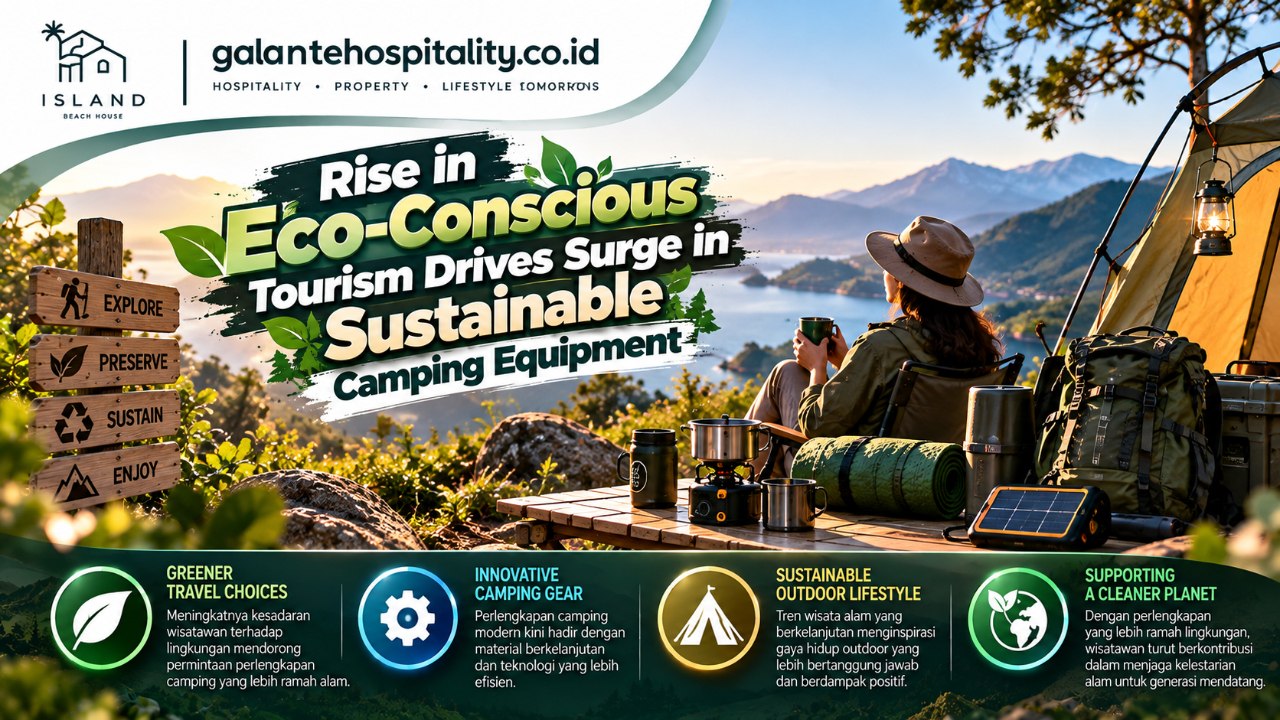

Eco-conscious tourism is influencing the way travelers prepare for outdoor adventures, creating growing interest in camping equipment designed to reduce waste and environmental damage. From reusable cooking accessories to recycled sleeping bags and repairable tents, sustainable products are becoming an important consideration for travelers seeking to enjoy nature more responsibly.
The trend reflects a wider change in travel preferences. Many tourists are paying closer attention to the environmental consequences of their trips, including the waste they generate, the resources they consume, and the effects of tourism on sensitive natural areas. Camping provides an opportunity to experience nature directly, but it also requires responsible decisions about equipment, transportation, and waste management.
As a result, manufacturers and outdoor retailers are exploring products that combine convenience, durability, and reduced environmental impact.
Why Sustainable Camping Equipment Is Gaining Attention
Traditional camping can involve disposable utensils, single-use packaging, inexpensive equipment that is quickly replaced, and products made from materials that are difficult to recycle. When poorly managed, these practices can contribute to pollution and unnecessary resource consumption.
Sustainable camping equipment offers alternatives. Reusable tableware, refillable water containers, rechargeable lighting, and durable storage products can reduce dependence on disposable supplies. Equipment designed for repeated use may also provide better long-term value, particularly for people who camp frequently.
Travelers are increasingly considering the full life cycle of a product, from the materials used in production to its eventual repair, reuse, or disposal. This approach encourages consumers to evaluate quality and longevity instead of focusing exclusively on the initial purchase price.
Recycled Materials Transform Outdoor Products
Recycled materials are becoming more visible in outdoor textiles and accessories. Certain tents, backpacks, jackets, and sleeping bags incorporate recycled synthetic fibers, helping manufacturers reuse existing materials rather than relying entirely on newly produced resources.
However, recycled content is only one part of the sustainability equation. The durability of the finished product, the chemicals used in water-resistant treatments, and the availability of repair services can also influence its environmental footprint.
Manufacturers face the challenge of maintaining performance while adopting more responsible materials. Camping equipment must still withstand moisture, temperature changes, friction, and repeated handling. Products that fail prematurely may need to be replaced more often, reducing the benefits of using recycled materials.
Clear product information can help consumers distinguish meaningful improvements from marketing claims that lack supporting evidence.
Repairable Gear and Reusable Essentials
Another important development is the growing emphasis on repairability. A damaged zipper, loose buckle, or small tear should not necessarily mean that an entire backpack or tent must be discarded.
Brands that provide replacement parts, repair instructions, and maintenance services can help customers extend the useful life of their equipment. Modular designs may also allow specific components to be replaced without purchasing a completely new product.
Reusable camping essentials are equally important. Durable water bottles, washable food containers, rechargeable lanterns, and reusable cutlery can reduce the amount of waste produced during trips.
Campers can strengthen these benefits by planning meals carefully, carrying reusable bags, and bringing waste back from locations without appropriate disposal facilities.
Responsible Tourism Goes Beyond Equipment
Buying sustainable products does not automatically make a camping trip environmentally responsible. The way travelers behave at their destination remains equally important.
Campers should follow local regulations, use designated camping areas when required, avoid disturbing wildlife, and respect vegetation. Fires should only be made where permitted and when conditions are safe. In fire-prone environments, alternative cooking methods may be more appropriate.
Water conservation is another consideration, particularly in areas experiencing seasonal shortages. Travelers should use water efficiently and avoid introducing soap, food waste, or other pollutants into rivers and lakes.
Transportation can also affect a trip’s environmental footprint. Choosing closer destinations, sharing vehicles, or using public transport where practical may reduce emissions associated with travel.
Affordability and Greenwashing Remain Challenges
One obstacle to wider adoption is the price of some sustainable camping products. Equipment made with specialized materials or designed for long-term repair can cost more initially than conventional alternatives.
Nevertheless, the total cost of ownership may be lower when a product lasts longer and requires fewer replacements. Consumers should compare warranties, repair options, material quality, and expected usage before making purchasing decisions.
Greenwashing is another concern. Some products are marketed as environmentally friendly based on a single feature while overlooking other environmental impacts. Buyers should look for specific information about recycled content, manufacturing practices, durability, and independent certifications where available.
The Future of Sustainable Camping
The growth of eco-conscious tourism is encouraging the outdoor industry to rethink how camping products are designed and sold. Reusable accessories, recycled fabrics, repair programs, and longer-lasting equipment are likely to remain important areas of development.
Retailers can support this shift by offering maintenance services, replacement components, rental programs, and clearer product information. Campsites and tourism operators can contribute by providing recycling facilities, encouraging responsible behavior, and protecting surrounding ecosystems.
For travelers, the most sustainable choice is not always buying the newest environmentally branded product. Using existing equipment for longer, repairing damaged items, and purchasing only what is necessary can deliver meaningful benefits.
Sustainable camping ultimately depends on a combination of responsible products and responsible behavior. By making thoughtful purchasing decisions and respecting natural environments, travelers can enjoy outdoor experiences while helping preserve the landscapes that make camping attractive in the first place.


