







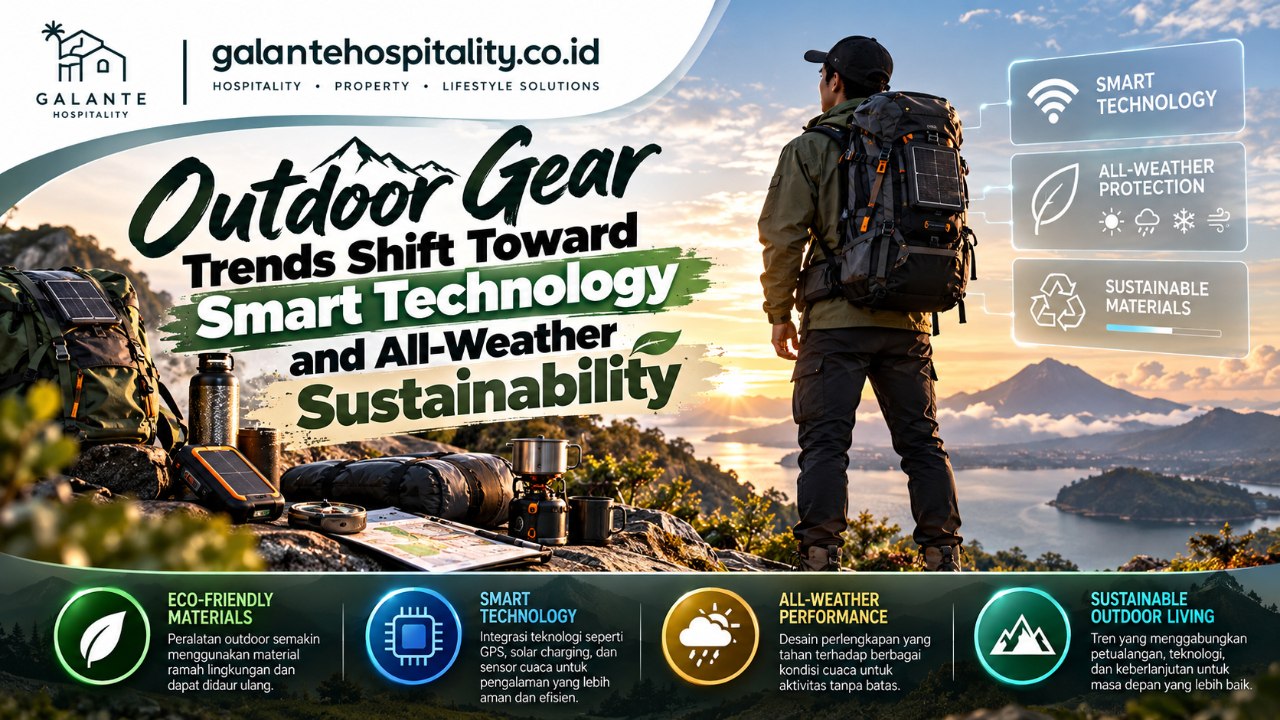

Outdoor equipment is entering a new phase as manufacturers combine smart technology, weather-resistant materials, and sustainable design to meet the changing needs of hikers, campers, climbers, and adventure travelers. Consumers increasingly expect outdoor products to deliver reliable performance in challenging environments while reducing their environmental impact.
The shift reflects broader changes in outdoor recreation. People are exploring more remote destinations, planning longer trips, and relying on digital tools to improve navigation, safety, and comfort. At the same time, growing awareness of climate change and waste has encouraged brands to reconsider how outdoor equipment is designed, manufactured, and maintained.
Smart Technology Becomes Part of Outdoor Equipment
Technology is becoming increasingly common in outdoor gear. Modern equipment can include GPS navigation, emergency communication systems, activity tracking, and sensors that provide information about environmental conditions. These features can help adventurers make better decisions, particularly when traveling through unfamiliar terrain.
Smartwatches and satellite communicators are especially useful for people exploring areas with limited mobile coverage. Depending on the device, users may be able to share their location, receive weather alerts, or send emergency messages when conventional communication networks are unavailable.
Manufacturers are also exploring smart fabrics and connected accessories. Temperature-regulating materials, moisture-management systems, and integrated lighting can improve comfort during outdoor activities. However, these technologies must remain practical. Equipment that depends on frequent charging or complicated software may create additional challenges during extended trips.
Battery life, durability, and ease of use are therefore becoming important considerations when consumers evaluate technology-enabled products.
All-Weather Performance Gains Importance
Outdoor enthusiasts face changing conditions, including sudden rainfall, strong winds, temperature fluctuations, and intense sunlight. As a result, weather-resistant equipment remains a major priority.
Modern jackets, tents, backpacks, and footwear increasingly focus on balancing waterproof protection, breathability, weight, and long-term durability. Lightweight materials can make hiking more comfortable, while reinforced construction can help equipment withstand repeated use.
Designers are also working to improve versatility. A jacket suitable for different temperatures, or a tent that can withstand several weather conditions, may reduce the need for travelers to purchase multiple specialized products.
Nevertheless, product descriptions do not always reflect real-world performance. Consumers should consider independent testing, material specifications, repair options, and suitability for the environments they intend to explore.
Sustainability Influences Product Development
Environmental responsibility is becoming an important factor in outdoor product development. Some manufacturers are incorporating recycled textiles, responsibly sourced materials, and manufacturing processes designed to reduce waste.
Durability is another essential part of sustainability. Equipment that lasts for many seasons can reduce replacement frequency and limit the amount of material discarded. Repair services, replaceable components, and accessible spare parts can further extend product life.
Brands are also experimenting with designs that use fewer mixed materials, making certain products easier to repair or recycle. However, recycled content alone does not automatically make a product environmentally friendly. Manufacturing emissions, transportation, chemical treatments, and product lifespan also matter.
Consumers can support more responsible practices by choosing equipment based on actual needs rather than buying new products for every trip.
Balancing Innovation, Price, and Practicality
Despite these developments, affordability remains a challenge. Advanced electronics, technical fabrics, and specialized construction can increase retail prices. For beginners, the cost of purchasing an entire set of outdoor equipment may become a barrier to participating in recreational activities.
A practical approach is to prioritize essential safety equipment first. Navigation tools, suitable clothing, reliable footwear, and appropriate shelter should match the intended activity and local conditions. Additional connected features can be considered when they offer a clear benefit.
Renting equipment, purchasing secondhand products, and repairing existing gear can also help reduce expenses and material consumption.
What the Future Holds
The outdoor equipment market is likely to continue combining digital innovation with practical, durable design. Improvements in battery efficiency, recycled materials, repairability, and weather protection could make outdoor products more useful and potentially less wasteful.
The most successful innovations will not necessarily be the most complicated. Products that remain dependable, easy to maintain, and suitable for real outdoor conditions are likely to attract consumers who value both performance and responsible purchasing.
Ultimately, the future of outdoor gear will depend on how effectively manufacturers balance technology, safety, affordability, and environmental responsibility. For outdoor enthusiasts, the goal remains the same: exploring nature with equipment that performs reliably while helping protect the environments that make those experiences possible.


