







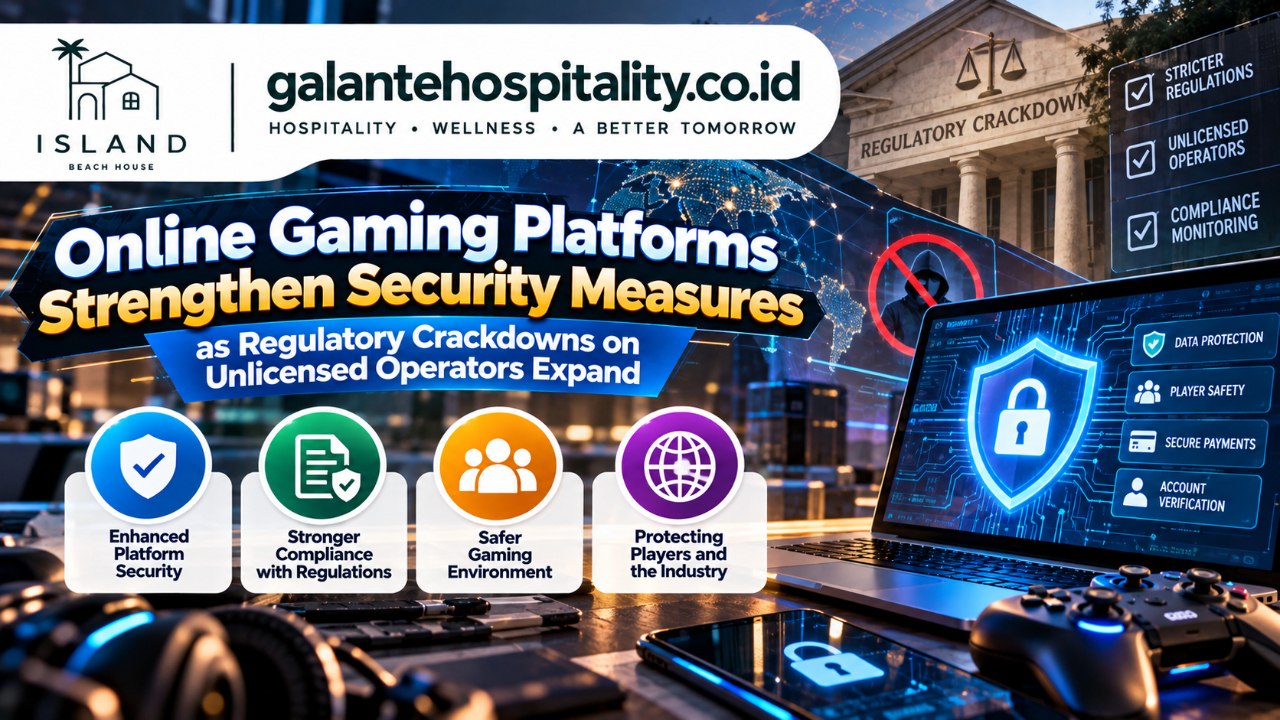

Online gaming regulation is receiving renewed attention as governments increase efforts to address illegal gambling, protect consumers, and strengthen oversight of digital platforms. The issue has become particularly relevant in Southeast Asia, where authorities are taking different approaches to unlicensed online betting and gambling operations.
In Cambodia, the government reiterated its prohibition on online gambling and online betting in October 2026, while announcing further inspections and enforcement measures targeting illegal activities. The authorities have also continued efforts to address online scam operations linked to certain casino facilities.
These developments highlight the growing importance of platform security, regulatory compliance, and consumer protection across the digital gaming industry.
Regulators Increase Scrutiny of Online Gaming
Online gaming includes several different categories, such as competitive multiplayer games, mobile games, subscription-based services, and real-money gambling platforms. The rules governing these activities vary significantly between jurisdictions.
Regulatory concerns are particularly pronounced when platforms offer betting or gambling services without the required authorization. Unlicensed operations may leave consumers with limited options for resolving disputes, recovering funds, or reporting suspicious activity.
Authorities can respond through licensing requirements, investigations, restrictions on illegal services, and cooperation with financial institutions or telecommunications providers. The specific measures depend on national law and the type of activity involved.
For legitimate gaming businesses, understanding the rules in each market is essential. A service permitted in one country may be restricted or prohibited in another, making geographic compliance an important part of platform operations.
Player Protection Becomes a Greater Priority
Consumer protection is a central issue in the regulation of online gaming. Players may face risks involving misleading promotions, unclear payment terms, unauthorized account access, fraudulent operators, or inadequate complaint procedures.
Platforms can reduce certain risks by implementing stronger account verification, secure authentication, transparent terms, and accessible customer support.
For regulated gambling services, additional safeguards may include age verification, responsible gambling tools, spending limits, and procedures for identifying suspicious transactions. These measures are distinct from the protections commonly used in ordinary entertainment games.
Players should also be cautious about unfamiliar applications, unofficial downloads, and websites that request unnecessary personal or financial information.
Digital Security Requires More Than Password Protection
Gaming accounts can contain personal information, purchase histories, payment details, and valuable digital items. Unauthorized access may therefore create financial and privacy risks.
Strong, unique passwords and multifactor authentication can help reduce the likelihood of account compromise. Players should also avoid sharing verification codes and should check the authenticity of messages claiming to come from gaming companies.
Platforms, meanwhile, can strengthen security through monitoring for suspicious logins, protecting stored information, testing their systems for vulnerabilities, and establishing clear procedures for responding to security incidents.
Transparency is equally important. When problems occur, users need reliable information about account recovery, payment disputes, and the steps being taken to protect affected accounts.
Regional Enforcement Creates New Compliance Challenges
Governments across the region do not necessarily follow identical policies. Some jurisdictions regulate particular forms of online gambling through licensing systems, while others prohibit them.
In the Philippines, for example, the Philippine Amusement and Gaming Corporation announced plans in August 2026 for an application intended to help users access licensed and regulated online gaming platforms and avoid illegal operators. The initiative was presented as part of broader efforts to strengthen player protection.
Cambodia, by contrast, reiterated its prohibition on online gambling and betting and announced intensified enforcement against prohibited activities in October 2026.
These differing approaches demonstrate why companies must understand the legal framework applicable to each market rather than assuming that a single compliance strategy will work everywhere.
For international gaming businesses, this can involve reviewing platform availability, payment arrangements, advertising practices, user verification procedures, and relationships with third-party service providers.
Advertising and Influencer Partnerships Face Greater Attention
Online gaming services often rely on digital advertising, social media campaigns, and partnerships with content creators to reach audiences. These channels can help businesses attract users, but they also create risks when promotional messages are misleading or direct consumers toward prohibited services.
Influencers and publishers need to understand the legal requirements that apply to the products they promote. Disclosing commercial relationships and avoiding unsupported claims can help audiences make better-informed decisions.
Platforms can also strengthen oversight by reviewing advertisements, establishing clear promotional standards, and responding to reports of suspicious campaigns.
For consumers, promotional claims should not be treated as proof that a platform is trustworthy or legally authorized. Independent verification remains important, especially when money or sensitive personal information is involved.
The Future of Online Gaming Compliance
The relationship between gaming technology and regulation will continue to evolve as digital services expand and governments refine their enforcement strategies.
Businesses that operate legally can benefit from clear policies, robust cybersecurity, transparent payment practices, and effective customer support. These measures can strengthen consumer confidence while reducing operational and legal risks.
Players also have a role in maintaining safer digital environments. They should understand local laws, protect their accounts, verify the legitimacy of services, and report suspected fraud through appropriate channels.
Ultimately, the future of online gaming will depend not only on innovation and user engagement but also on trust, security, and compliance. Platforms that take these responsibilities seriously will be better positioned to navigate an increasingly complex regulatory landscape.


