







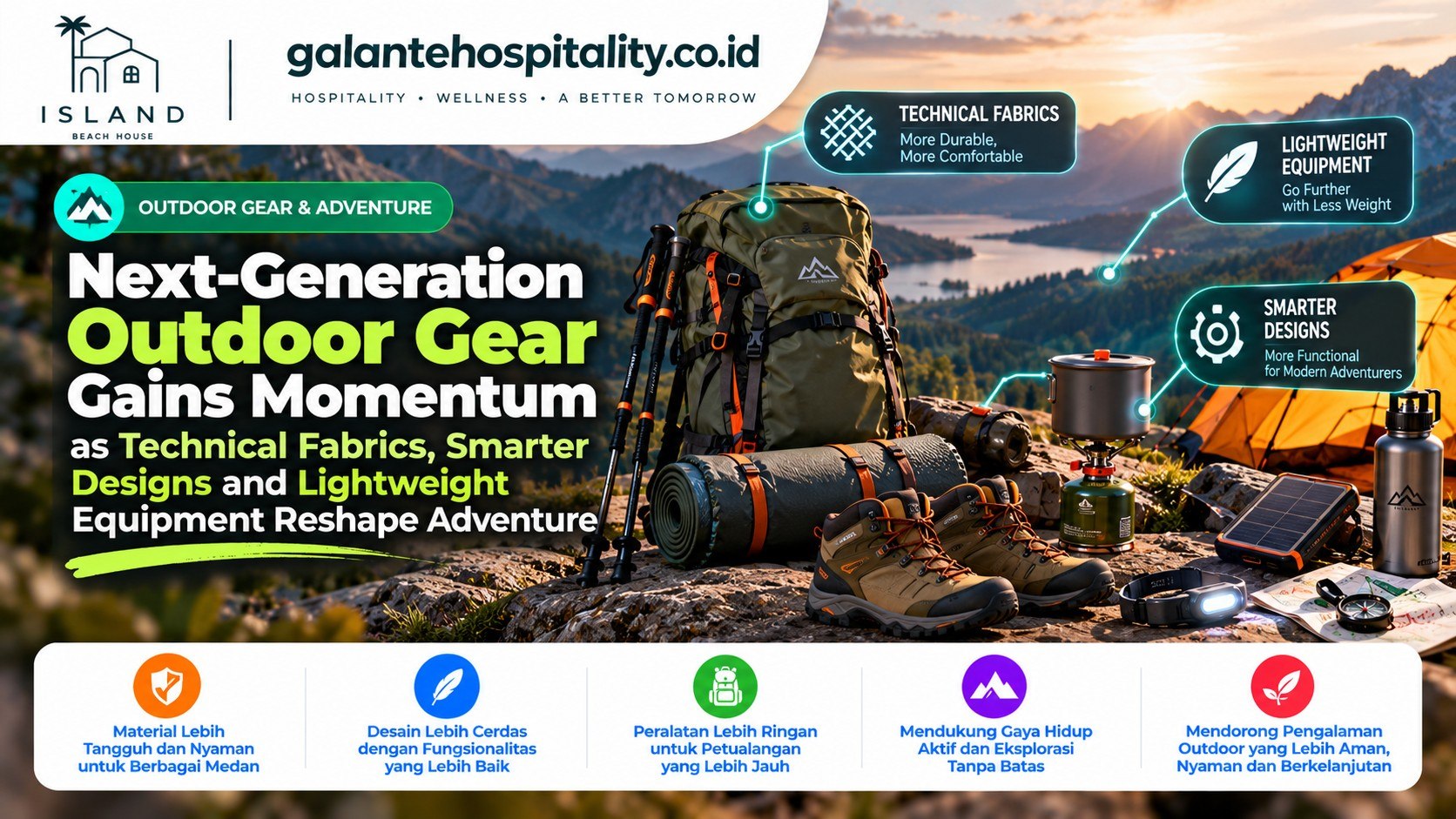

Outdoor Gear Enters a New Era
The outdoor recreation market is evolving alongside changing participation habits. As more people take part in hiking, camping, running and other activities, outdoor brands are responding with equipment designed around convenience, performance and accessibility.
The Outdoor Industry Association’s 2026 research shows that outdoor participation reached a record 183.2 million Americans, even as the average participant is spending less time outdoors than before the pandemic.
This changing consumer behavior is influencing how brands approach outdoor equipment.
Lightweight Design Remains Important
One of the most practical directions in outdoor gear is the continued focus on lightweight design.
For hikers and casual adventurers, reducing unnecessary weight can make an activity more comfortable. Lightweight backpacks, clothing, tents and cooking equipment can be especially useful for people who are still developing their outdoor habits.
The goal is not always extreme technical performance. For many consumers, convenience and ease of use can be equally important.
Outdoor Equipment Targets Casual Participants
The growth of casual participation is creating an important consumer group for outdoor brands.
OIA’s 2026 participation research shows that participation is at a record level while outing frequency has declined. This means a significant portion of the market consists of people who participate occasionally rather than regularly.
These consumers may prefer products that are simple to pack, easy to maintain and suitable for multiple activities.
Hiking Creates Opportunities Across Categories
Hiking is particularly influential because it connects with other outdoor activities.
According to OIA, 63.4 million Americans participated in hiking in 2024, while more than 90% of hikers also participate in other outdoor activities.
This crossover creates opportunities for brands selling footwear, apparel, backpacks, navigation equipment, camping products and other outdoor accessories.
A person who begins with short local hikes may eventually become interested in camping, trail running or paddling.
Technology Is Supporting Outdoor Experiences
Technology is also becoming increasingly integrated into outdoor recreation.
Navigation tools, activity tracking, weather information and digital planning platforms can help people prepare for trips and understand their surroundings. These technologies can be particularly useful for newcomers who may need additional information before heading outdoors.
However, technology is increasingly being positioned as a support tool rather than a replacement for the outdoor experience itself.
Outdoor Retail Faces Changing Consumer Expectations
The 2026 Outdoor Retail Trends Report from OIA notes that tariff-related price increases tested consumer spending across the outdoor market, while the broader retail picture remained more nuanced.
This environment puts pressure on brands to demonstrate clear value.
Consumers may increasingly compare durability, versatility, comfort and price before purchasing outdoor equipment. Products that solve practical problems can therefore have an advantage in a market where shoppers are becoming more selective.
The Future of Outdoor Gear
The next generation of outdoor equipment is likely to combine performance with simplicity.
As participation expands, outdoor brands have an opportunity to serve both experienced enthusiasts and people who are discovering outdoor recreation for the first time. Lightweight construction, versatile designs, clear product information and accessible pricing can all play a role.
The outdoor industry is no longer serving only hardcore adventurers. A much broader audience is now exploring nature, creating new possibilities for the future of outdoor gear.


