







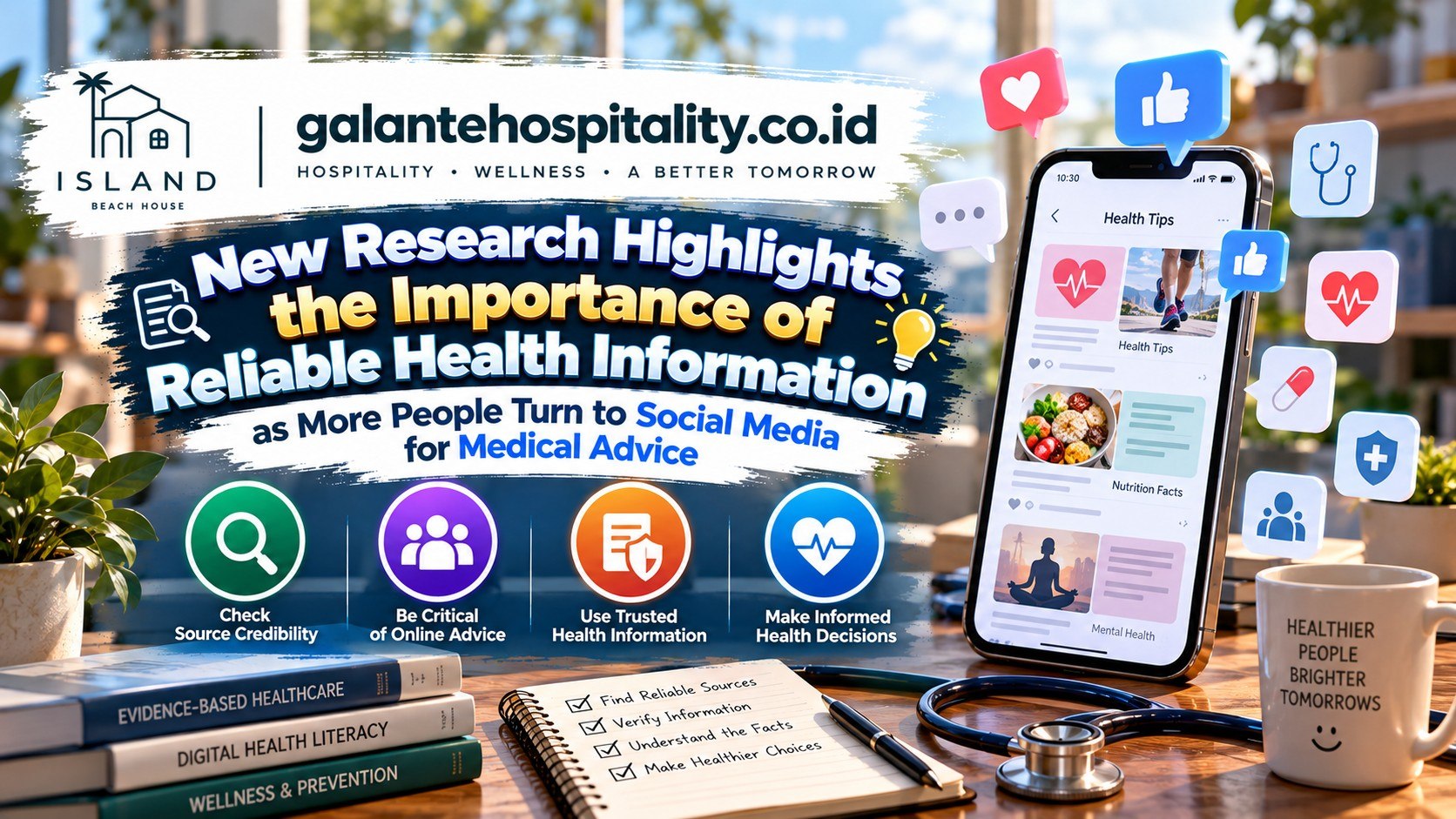

Social media has become a common place for people to discover health advice, learn about symptoms, and explore different approaches to wellbeing. Short videos, personal stories, and simplified explanations can make medical topics easier to understand. However, the same platforms can also spread misleading claims that influence how people interpret symptoms and make healthcare decisions.
Research published in Patient Education and Counseling in September 2026 examined how social media can shape patient beliefs before consultations with healthcare professionals. The authors discussed why emotionally engaging online content can sometimes compete with evidence-based medical explanations, as well as how clinicians can respond to misinformation while maintain
Why Health Advice on Social Media Spreads Quickly
Social media platforms are designed to make content easy to discover, share, and discuss. A video explaining a health topic in simple language may reach a large audience in a short time, particularly if viewers find it relatable or surprising.
Personal experiences can be valuable because they help people feel less isolated and encourage conversations about subjects that may otherwise be difficult to discuss. However, an individual’s experience does not necessarily represent what will happen to everyone with similar symptoms.
A treatment that appears helpful for one person may be ineffective or inappropriate for another. Differences in medical history, age, existing conditions, medications, and other factors can influence health outcomes.
The problem arises when personal stories are presented as universal medical advice or when content makes strong claims without reliable supporting evidence.
The Difference Between Popularity and Medical Evidence
A health post with thousands of views is not automatically accurate. Engagement reflects how people respond to content, not whether its claims have been tested through appropriate scientific research.
Some misleading posts use dramatic headlines, selective statistics, or before-and-after images to make a treatment appear more effective than it is. Others promote products while leaving out important information about risks, limitations, or conflicts of interest.
Research on health misinformation published in BMC Public Health in April 2026 reviewed eight studies involving a combined 22,780 participants. The researchers found that reported exposure to health misinformation varied substantially across the studies and subject areas. Their analysis emphasized that the findings should be interpreted cautiously because the studies differed considerably in how misinformation exposure was measured
Springer Nature Link
The findings illustrate why it is important to examine the context behind health claims rather than assuming that a single statistic applies equally to every population or platform.
How to Check Health Information Before Acting on It
People can take several practical steps to evaluate medical content before following a recommendation.
First, check the source. Reliable information may be available from public health agencies, recognized medical institutions, professional healthcare organizations, and peer-reviewed research. Readers should look for clear authorship and references that can be independently checked.
Second, look beyond the headline. A headline may simplify or exaggerate the findings of a study. Reading the full explanation can reveal whether the research involved people, animals, or laboratory experiments and whether the findings demonstrate an association or a cause.
Third, consider the date. Medical recommendations can change as new evidence becomes available. Older content may not reflect current guidance, particularly for rapidly developing areas of healthcare.
Fourth, be cautious about guaranteed results. Claims that a supplement, diet, or treatment cures a wide range of unrelated conditions deserve careful scrutiny. Strong claims should be supported by appropriate evidence rather than testimonials alone.
Finally, people should avoid stopping prescribed medication or delaying necessary medical care because of advice encountered online.
Why Professional Medical Advice Still Matters
Online information can help people prepare questions, understand unfamiliar terms, and learn about available healthcare services. It cannot always account for the details of an individual’s medical history or provide the examination and testing needed to reach a diagnosis.
Healthcare professionals can evaluate symptoms in context, explain the potential benefits and risks of different options, and recommend appropriate follow-up. When information online conflicts with advice from a qualified clinician, patients can ask for clarification and discuss the evidence rather than making abrupt changes to their treatment.
This approach is especially important for serious symptoms, chronic conditions, medication decisions, and health concerns involving children or other people who may require additional support.
How Healthcare Professionals Can Respond to Online Misinformation
Simply telling patients that an online claim is wrong may not always resolve their concerns. People may have encountered the information repeatedly or may trust the person presenting it because the message feels familiar and relatable.
The 2026 research in Patient Education and Counseling highlights the importance of clear communication and directing patients toward credible digital health resources. It also discusses how healthcare professionals can engage with online information in ways that preserve trus
ScienceDirect
Healthcare providers can help by explaining why a claim is unsupported, acknowledging the questions that led a patient to search for answers, and offering accessible resources for further reading. Clear language can make complex medical evidence easier to understand without oversimplifying important risks.
Public health organizations can also contribute by publishing timely information, correcting common misconceptions, and making reliable guidance easier to find and share.
Building Better Digital Health Literacy
Digital health literacy is the ability to find, understand, evaluate, and use health information from digital sources. It does not require everyone to become a medical expert. Instead, it encourages people to recognize uncertainty, compare sources, and understand when professional advice is necessary.
Schools, workplaces, healthcare providers, and community organizations can support these skills through practical education. For example, people can learn how to identify the author of a health article, locate the original research behind a claim, and distinguish advertising from independent medical guidance.
Social media platforms also have a role in helping users access reliable information and making it easier to identify content that may be misleading.
Making More Informed Health Decisions
Social media can be a useful starting point for learning about health, but it should not be treated as the final authority on medical decisions. A popular post may raise a worthwhile question, yet its claims still need to be checked against trustworthy evidence.
By verifying sources, recognizing the limits of personal testimonials, and consulting qualified healthcare professionals when necessary, people can make better-informed choices about their wellbeing.
As digital platforms continue to influence how health information is shared, the ability to evaluate online advice will become increasingly important. Reliable information, clear communication, and informed conversations between patients and healthcare professionals can help ensure that technology supports better health decisions rather than creating unnecessary confusion.


