







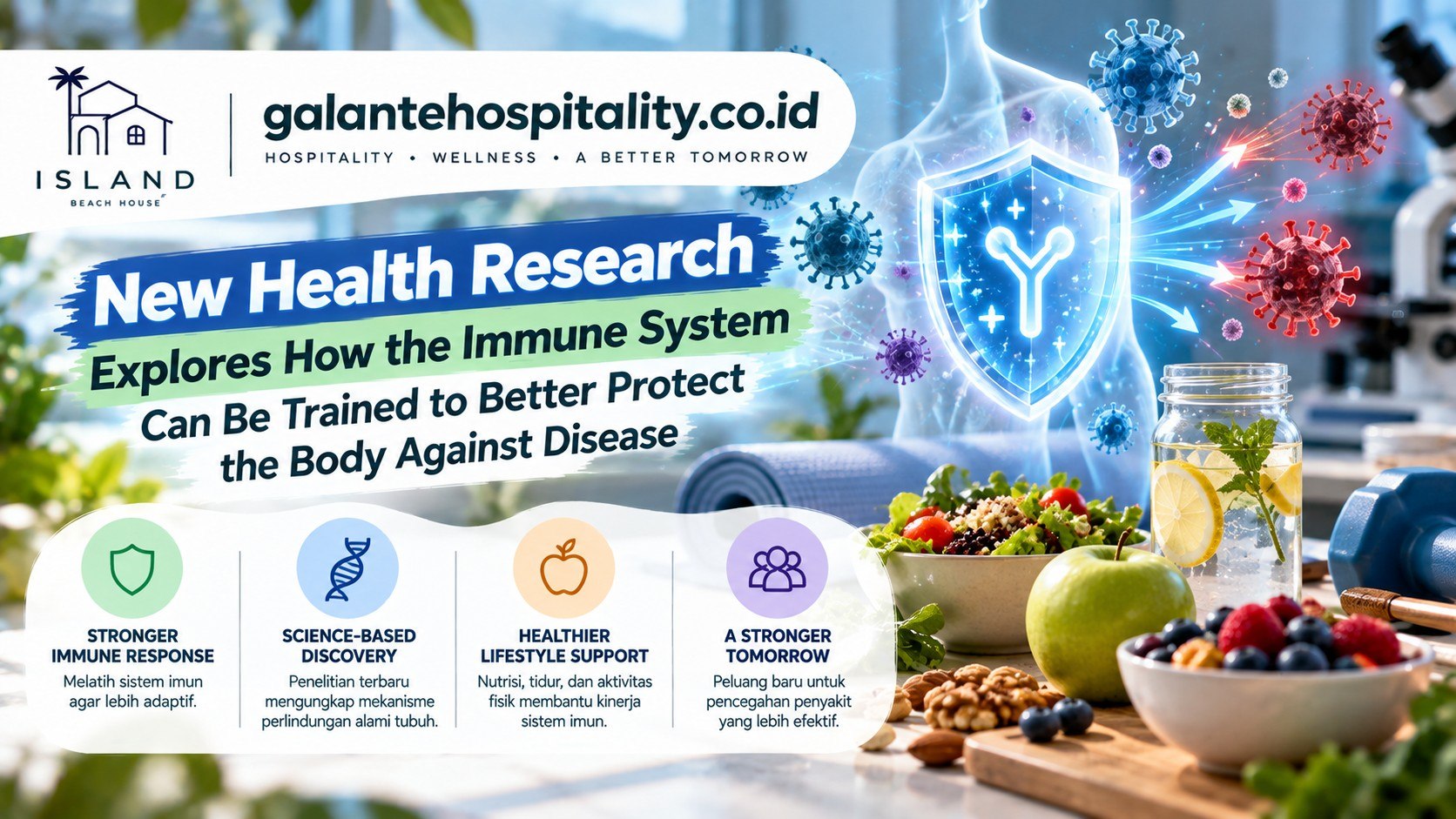

The human immune system plays a central role in protecting the body against infections and responding to harmful substances. It consists of a complex network of cells, tissues, organs, and signaling molecules that work together to recognize potential threats and coordinate defensive responses.
Scientific research continues to explore how immune responses develop, how the body remembers previous encounters with pathogens, and how medical interventions can improve protection against disease. These investigations are helping researchers better understand immunity and develop approaches to preventing and treating a range of illnesses.
Although the immune system can adapt to certain challenges, the idea of training immunity requires careful explanation. Immune responses differ depending on the pathogen, the individual’s health, and the biological mechanisms involved. There is no single method that guarantees protection against every disease.
How the Immune System Learns to Recognize Threats
The immune system includes two closely connected components: innate immunity and adaptive immunity.
Innate immunity provides an early response to potential threats. It includes physical barriers such as the skin, as well as immune cells and other mechanisms that recognize general signs of infection or tissue damage.
Adaptive immunity responds more specifically to particular antigens, which are structures that the immune system can recognize. Specialized B cells can produce antibodies, while T cells perform several roles, including helping coordinate immune responses and identifying infected cells.
An important feature of adaptive immunity is immunological memory. After certain infections or vaccinations, the body may retain memory cells that allow it to respond more efficiently if it encounters the same pathogen again.
This principle helps explain why vaccination can provide protection against specific diseases. However, the strength and duration of that protection vary depending on the vaccine, the pathogen, and individual factors.
Vaccination Is an Important Way to Build Protection
Vaccines prepare the immune system to recognize particular disease-causing organisms or components without requiring a person to experience the full consequences of the corresponding infection.
Different vaccines work in different ways. Some use weakened or inactivated pathogens, while others introduce selected components or provide instructions that allow cells to produce an antigen temporarily.
After vaccination, the immune system can develop an appropriate response and, in many cases, immunological memory. This can reduce the risk of certain infections or help prevent severe outcomes.
The protection offered by a vaccine depends on the disease and the vaccine itself. Some vaccines provide long-lasting protection, while others may require additional doses to maintain immunity.
People should follow vaccination recommendations from qualified healthcare professionals and relevant public health authorities. Individual circumstances, including age and certain medical conditions, may influence which vaccines are recommended.
Researchers Are Studying Different Forms of Immune Adaptation
Scientists are also investigating trained immunity, a term used to describe certain longer-lasting changes in the innate immune system following particular stimuli.
Unlike conventional adaptive immune memory, which involves specific B-cell and T-cell responses, trained immunity can involve changes in how innate immune cells respond to later challenges. These changes may include alterations in cellular metabolism and gene regulation.
Researchers are examining whether these mechanisms contribute to protection against infections and how they might be used in future medical treatments. The field is scientifically promising, but its implications depend on the specific biological mechanism, intervention, and disease being studied.
Trained immunity should not be confused with a general ability to strengthen the immune system at will. Evidence that a particular intervention changes immune activity does not automatically mean that it prevents disease or improves health outcomes.
Clinical research is necessary to determine whether a proposed intervention is safe, effective, and appropriate for specific groups of people.
Everyday Habits Support Normal Immune Function
Although no lifestyle routine can guarantee that someone will avoid infection, several everyday habits support general health and normal immune function.
A balanced diet provides nutrients that the body needs to maintain immune cells and other physiological processes. A varied eating pattern that includes vegetables, fruits, whole grains, protein sources, and healthy fats can help meet many nutritional needs.
Sleep is another important factor. Consistently insufficient sleep can affect several aspects of immune function and overall well-being. Maintaining a regular sleep schedule and creating a comfortable sleeping environment may help improve sleep quality.
Regular physical activity also supports general health. The appropriate amount and intensity depend on an individual’s circumstances, fitness level, and medical needs. People who are new to exercise can begin gradually and increase activity as their abilities improve.
Managing stress, avoiding smoking, limiting excessive alcohol consumption, and maintaining recommended vaccinations can also contribute to better overall health.
Supplements should not be viewed as automatic immune boosters. Taking excessive amounts of certain vitamins or minerals can be harmful, and supplements may interact with medications. People who suspect a nutritional deficiency should discuss appropriate testing and treatment with a qualified healthcare professional.
Why Scientific Evidence Matters
Claims about immunity often circulate online, including suggestions that particular foods, supplements, or routines can dramatically increase the body’s defenses. Such claims should be evaluated carefully.
A laboratory study may reveal an interesting biological mechanism without demonstrating that the same effect occurs in humans. Similarly, an early clinical study may identify a possible benefit but still require larger trials to establish safety and effectiveness.
Readers should look for evidence from well-designed human studies, systematic reviews, and reputable public health organizations. They should also distinguish between changes in laboratory measurements and outcomes that matter directly to patients, such as reduced illness or fewer complications.
Researchers must continue investigating how immune responses differ across age groups, health conditions, and types of infection. This work is essential for developing interventions that provide meaningful benefits without causing unnecessary risks.
The Future of Immune System Research
Advances in immunology are expanding scientific understanding of how the body responds to infections, vaccines, and other biological challenges. Research into immune memory, trained immunity, and targeted therapies may contribute to new prevention and treatment strategies.
However, these developments require careful testing before they can be translated into routine medical recommendations.
For individuals, the most practical approach remains to follow evidence-based health guidance, maintain healthy daily habits, and seek professional advice when making decisions about vaccines, supplements, or medical treatments.
Understanding how immunity works can help people make better-informed health decisions. As research progresses, clear communication about both scientific discoveries and their limitations will remain essential to ensuring that new findings lead to safe and meaningful improvements in public health.


