







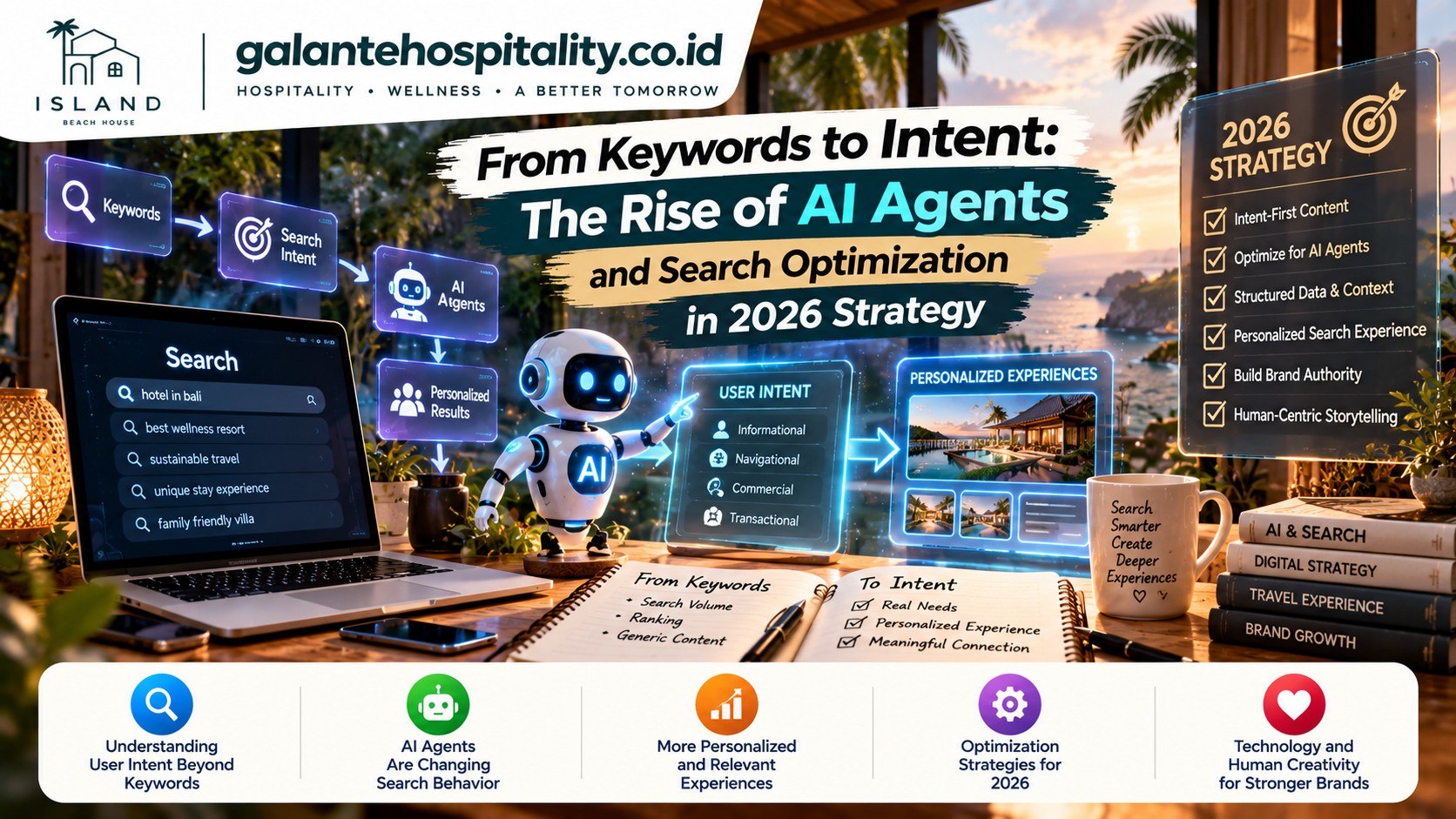

Artificial intelligence is changing the way brands approach marketing in 2026. From automated content production to personalized recommendations, AI tools are helping marketing teams work faster and handle increasingly large amounts of customer data.
However, automation does not automatically create a strong connection with an audience. Consumers still respond to stories, experiences, and messages that feel genuine. As a result, many brands are looking for a balance between technological efficiency and authentic human storytelling.
AI Is Reshaping Modern Marketing
AI can now support many parts of the marketing process. Marketers can use AI to analyze customer behavior, identify trends, generate initial content ideas, and personalize campaigns.
Automation can also reduce repetitive tasks. Instead of manually processing every piece of customer information, marketing teams can use digital systems to organize data and identify useful patterns.
This allows marketers to spend more time on strategy and creative development.
Human Stories Still Matter
Despite the rapid growth of AI, storytelling remains an important part of brand communication.
Customers do not simply interact with products. They also respond to the values, experiences, and stories connected to those products.
A human-centered story can explain why a company exists, how a product was developed, or how customers use it in real life. These details can make marketing messages feel more relatable.
AI can help organize and accelerate the process, but human teams still play an important role in deciding what a story should communicate.
Finding the Right Balance
The emerging approach is not necessarily about choosing between AI and human creativity. Instead, brands can use both technologies and human expertise for different purposes.
AI can handle repetitive analysis, data processing, and content assistance. Human marketers can focus on brand voice, emotional context, creative decisions, and ethical considerations.
This combination can create a workflow where technology improves efficiency without making every piece of communication feel automated.
Authenticity Becomes a Competitive Factor
As AI-generated content becomes more common, authentic brand experiences can become increasingly important.
Consumers may encounter large amounts of similar-looking digital content every day. Brands that can communicate distinctive experiences and genuine perspectives may have more opportunities to stand out.
That means marketers need to understand not only how to use AI, but also when human creativity should take the lead.
The Future of Brand Storytelling
AI is likely to remain an important marketing technology, but human storytelling is unlikely to disappear.
The future of marketing may instead involve closer collaboration between technology and creative teams. AI can provide speed, scale, and data-driven insights, while humans provide context, empathy, originality, and judgment.
For brands navigating the AI era, the challenge is therefore not simply adopting more automation. It is learning how to use automation while preserving the human qualities that make a brand memorable.


