







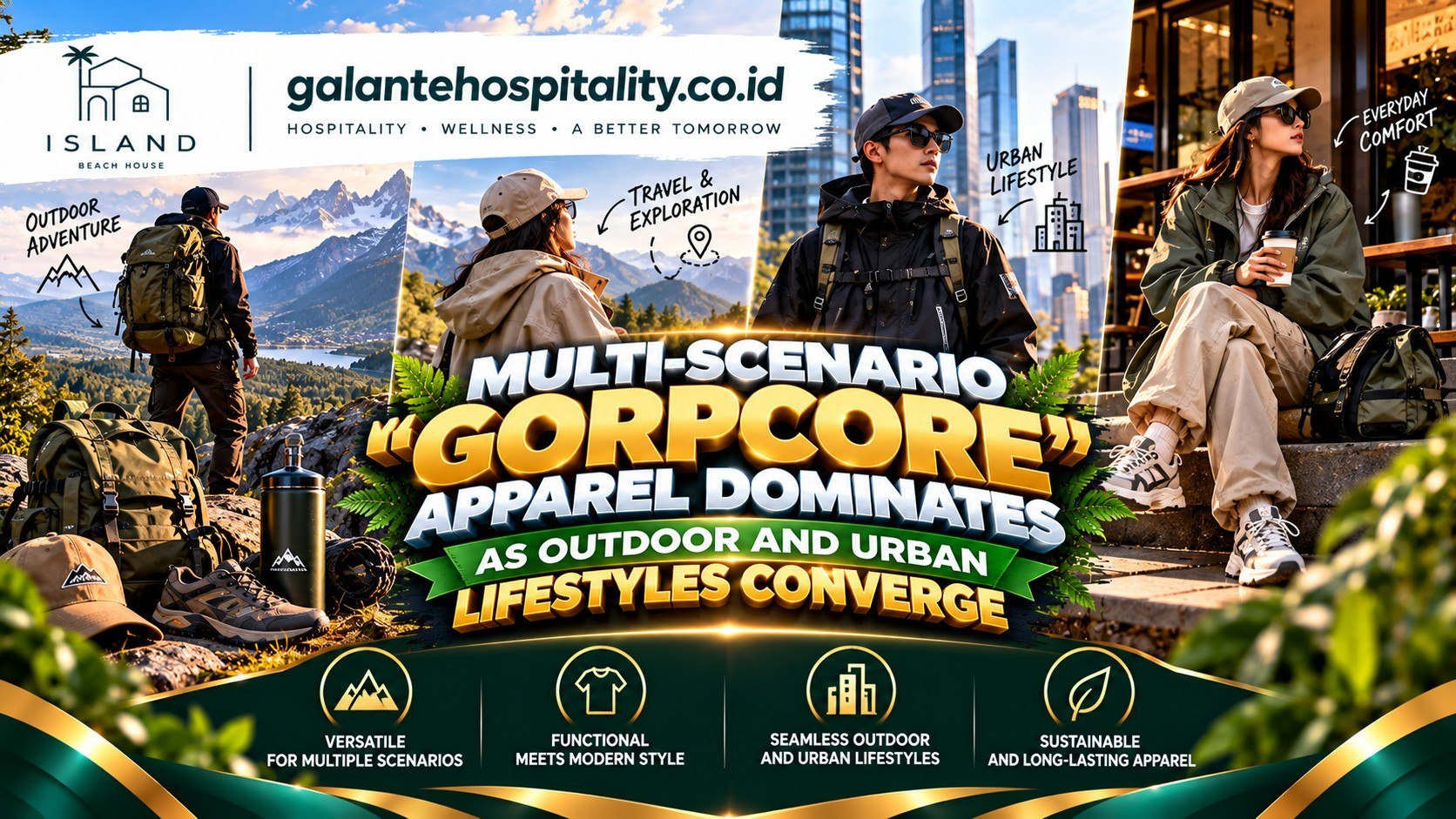

The boundary between technical wilderness gear and everyday urban apparel has completely dissolved. Driven by a growing global demographic participating in casual outdoor recreation, major outdoor brands are pivoting toward multi-scenario gear designed for seamlessly transitioning from mountain trails to city commutes.
Market analytics show that consumers increasingly reject overly rugged, single-use outdoor equipment in favor of versatile apparel that balances technical performance with refined aesthetic design.
The Rise of “One Jacket, Many Uses” Design Philosophy
Modern consumers prioritize utility, comfort, and versatility. Rather than buying dedicated gear solely for alpine expeditions, urban adventurers demand flexible layering systems that adapt to unpredictable weather during daily activities.
+-------------------------------------------------------------------+
|               SINGLE-PURPOSE vs. MULTI-SCENARIO GEAR              |
+-------------------------------------------------------------------+
| Feature                       | Multi-Scenario Hybrid Gear        |
+-------------------------------+-----------------------------------+
| Aesthetic Style               | Low-saturation earth tones, sleek |
| Weight & Packability          | Ultra-lightweight, packable       |
| Primary Function              | All-weather city & trail use      |
| Comfort & Mobility            | 4-way stretch, silent textiles    |
+-------------------------------+-----------------------------------+
Core Drivers of the Hybrid Trend:
- Democratization of Outdoor Culture: Daily walking, light wilderness hiking, and urban camping have outpaced extreme mountaineering in total participation growth.
- Aesthetic Refinement: Shift away from bright emergency safety hues toward earth tones, matte finishes, and minimalist branding suitable for office settings.
- Ergonomic Fabric Innovations: Softshell fabrics offering weather protection without the noisy “rustle” of traditional hard-shell jackets.
2. Smart Integration and Modular Gear Systems
To accommodate dynamic lifestyles, gear designers are incorporating subtle technological and modular enhancements:
                     Modular Outdoor Gear Framework
                                     |
     +-------------------------------+-------------------------------+
     |                                                               |
     v                                                               v
[Adaptable Layering Systems]                        [Concealed Smart Storage]
3-in-1 modular shells with magnetic attachments     Hidden RFID pockets and ergonomic harness
for rapid climate adjustment                         compatibility for urban commuting
1. Convertible Garment Architecture
Trousers with hidden articulation zips, packable hoods that roll flush into collar stands, and modular insulation liners allow users to modify protection levels instantly.
2. Lightweight Footwear Crossovers
Footwear design has experienced a similar shift. Trail-running shoes and barefoot-inspired hiking boots equipped with high-friction rubber lugs now feature subtle colorways suitable for city streets.
3. Commercial Impact on Specialty Outdoor Retailers
This shift toward everyday functional apparel is expanding the customer base for outdoor retailers.
                 +---------------------------------+
                 |  HYBRID GEAR RETAIL ADVANTAGES  |
                 +---------------------------------+
                                   |
   +-------------------------------+-------------------------------+
   |                               |                               |
   v                               v                               v
[Wider Customer Reach]      [Higher Frequency Purchase]    [Reduced Seasonal Slumps]
Attracting urban commuters   Year-round wearability drives  Sales remain stable beyond
alongside core hikers        frequent gear upgrades         peak holiday/winter seasons
Retailers showcasing “trail-to-commute” gear displays report higher foot traffic and better inventory turnover compared to stores focusing strictly on specialized alpine equipment.
4. Outlook for the Hybrid Outdoor Market
As work-life flexibility remains high and wellness-oriented outdoor recreation continues to grow, multi-scenario “Gorpcore” design will remain a primary growth driver. Brands that successfully fuse technical performance with everyday wearable design will continue to lead the outdoor market.


