







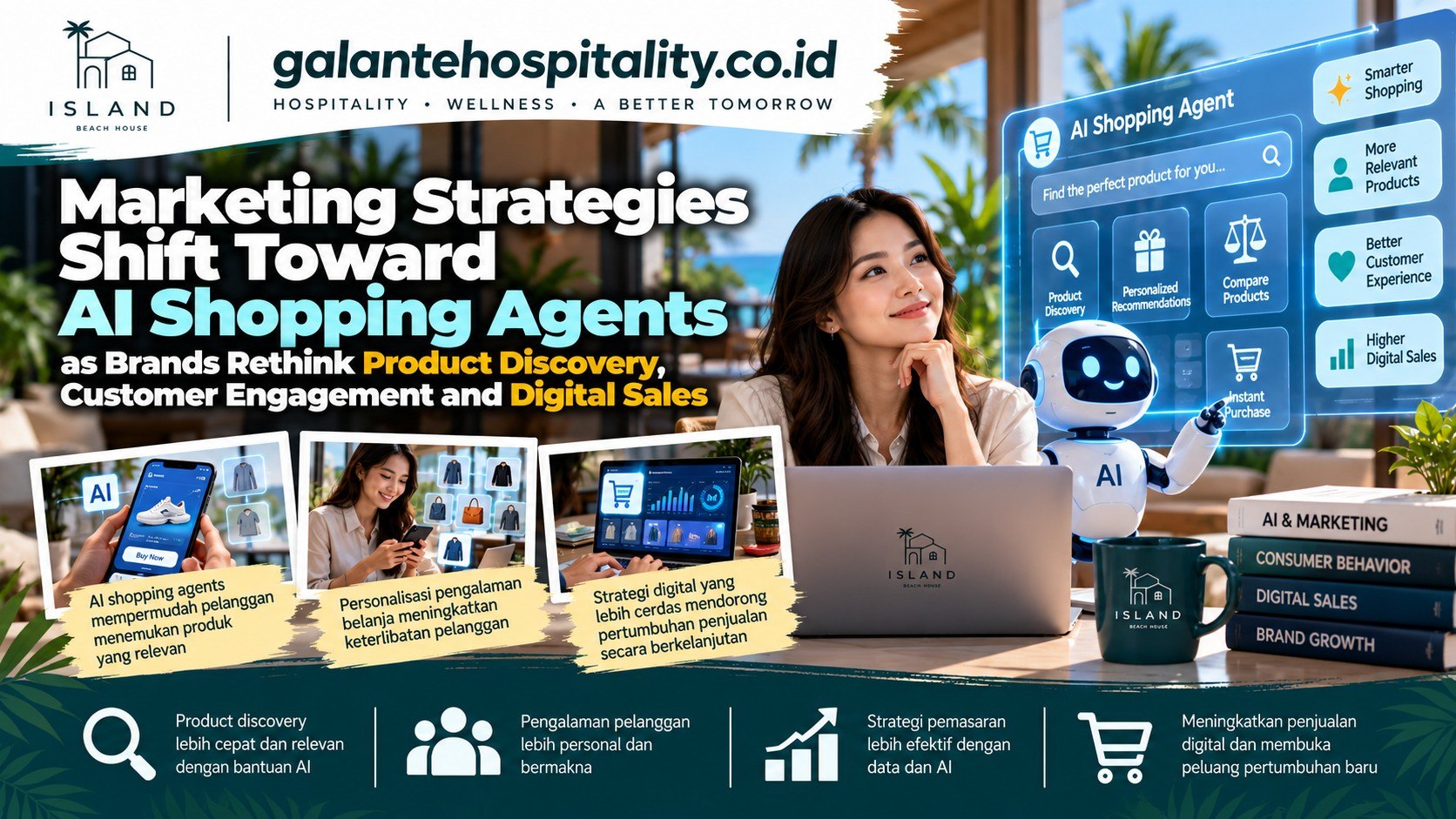

The way consumers discover products online is beginning to change. For years, search engines, social media platforms, online marketplaces, and brand websites have played central roles in digital shopping. Now, AI-powered shopping tools are creating another layer between consumers and products.
AI shopping agents can help users research products, compare options, understand features, and make purchasing decisions. This development is encouraging brands to rethink their marketing strategies and consider how their products will appear in AI-driven discovery experiences.
Product Discovery Is Changing
Traditional online shopping often begins with a keyword search.
A consumer may type a phrase into a search engine, visit several websites, compare prices, read reviews, and eventually decide what to buy.
AI shopping agents can potentially simplify this process by interpreting a more detailed request.
Instead of searching for a generic product, a consumer could describe a specific need, budget, preference, or situation. The AI system can then help organize relevant options.
This creates an important challenge for marketers.
Brands must ensure that product information is accurate, understandable, and easy for digital systems to interpret.
Product Information Matters More Than Ever
Clear product information has always been important for e-commerce, but AI-driven shopping could make it even more valuable.
Product pages should provide essential information such as specifications, pricing, availability, dimensions, materials, compatibility, and key benefits.
Descriptions should also be written naturally.
A page filled with repetitive keywords may not provide a good experience for consumers. Instead, brands should focus on answering the questions that shoppers are most likely to ask.
This approach can benefit both traditional search and emerging AI-powered discovery systems.
Consumers Want Faster Comparisons
One advantage of AI shopping tools is the ability to compare products more efficiently.
Consumers may want to know which product offers better value, which model is suitable for a particular use, or how two competing products differ.
Marketing teams therefore need to communicate product advantages clearly.
Simply claiming that a product is “the best” is rarely enough. Brands should explain why a product is useful, who it is designed for, and what makes it different.
Detailed comparisons can also help consumers make more confident purchasing decisions.
Customer Experience Becomes a Marketing Priority
Marketing is increasingly connected to the entire customer experience.
A brand may attract a customer with an advertisement, but the experience after that advertisement can determine whether the customer completes a purchase.
Slow websites, unclear product information, complicated checkout processes, or limited customer support can reduce the effectiveness of an otherwise successful campaign.
AI can help improve parts of this journey, but businesses must first create a strong foundation.
Customers still expect accurate information, transparent pricing, reliable delivery, and responsive support.
AI Shopping Does Not Eliminate Brand Loyalty
Some marketers may worry that AI shopping agents will make consumers focus entirely on price and specifications.
That is possible in some situations, but strong brands still have an advantage.
Consumers often choose products because they trust a company, understand its values, like its design, or have had positive experiences in the past.
Brand identity therefore remains important.
Companies should not abandon storytelling simply because AI can compare products. Instead, they should make sure their brand identity is clearly represented across websites, product descriptions, reviews, social media, and other digital channels.
Preparing for AI-Powered Commerce
Businesses can prepare for the growth of AI shopping by improving the quality of their digital information.
Product catalogs should be accurate and regularly updated. Website content should answer common customer questions. Product specifications should be consistent across platforms.
Marketers should also monitor how consumers interact with AI-powered discovery tools.
The shift toward AI shopping is still developing, but the direction is clear: product discovery is becoming more conversational, personalized, and information-driven.
The New Role of Marketing Teams
Marketing teams are moving beyond traditional advertising.
They increasingly need to understand search behavior, product data, customer experience, content quality, analytics, and artificial intelligence.
The future marketer may need to think about two audiences at the same time: human consumers and the digital systems that help those consumers discover information.
Brands that provide useful, accurate, and engaging information will be better positioned as AI becomes a larger part of digital commerce.


