







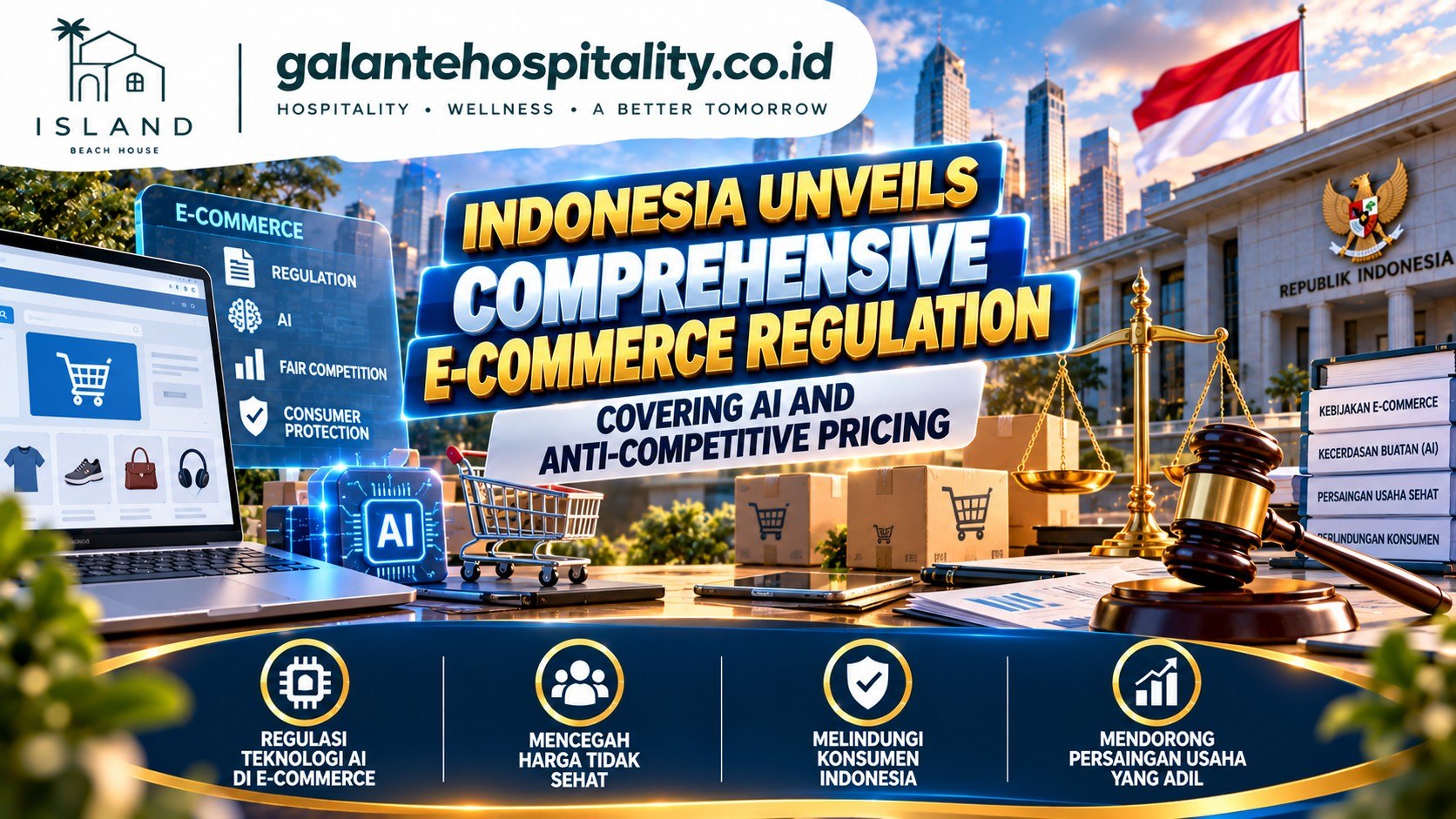

Indonesia E-Commerce Regulation Enters a New Phase
Indonesia has introduced a comprehensive e-commerce regulation framework covering digital platforms, artificial intelligence, online advertising, consumer protection and fair competition.
The new framework is set out in Minister of Trade Regulation No. 19 of 2026, or Permendag No. 19/2026. The regulation was issued on June 4 and came into force on June 8, 2026. It replaces the previous Permendag No. 31 of 2023.
The regulation is designed to keep Indonesia’s digital commerce rules aligned with the rapid development of technology and online business models.
New E-Commerce Regulation Covers Artificial Intelligence
One of the notable elements of the new Indonesia e-commerce regulation is the inclusion of rules concerning artificial intelligence.
The regulation specifically addresses the use of artificial intelligence in electronic commerce, reflecting the growing role of AI in online marketing, product promotion and digital business operations.
AI is increasingly being used by e-commerce platforms to analyze consumer behavior, recommend products and support promotional activities. The new regulatory framework provides a legal basis for addressing AI use within the electronic commerce ecosystem.
This development is particularly relevant as Indonesian platforms continue to adopt automated technologies and data-driven services.
Fair Competition Becomes an Important Focus
The updated e-commerce framework also strengthens the focus on fair and healthy competition.
The government has included provisions related to business practices, platform operations and protection against unhealthy trading practices. The regulation is part of a broader effort to create a digital marketplace that provides opportunities for businesses while protecting consumers.
The issue of competition has become increasingly important as digital platforms grow and online marketplaces become central channels for sellers and consumers.
Indonesia’s competition authority, KPPU, has also called for digital-market rules that can respond to markets increasingly shaped by data, algorithms, network effects and cross-service integration.
Platform Transparency Gets More Attention
The new Indonesia e-commerce regulation also introduces greater emphasis on transparency between digital platforms and their business partners.
The Ministry of Trade has highlighted transparency in platform partnerships as one of the important areas addressed by the revised rules. Platforms are also expected to provide clearer information regarding fees and promotional policies.
Greater transparency can help sellers understand the commercial conditions under which they operate on digital marketplaces.
For businesses, clearer platform policies can also make it easier to plan promotions, manage costs and understand marketplace requirements.
Local Products and Small Businesses Receive Priority
Another major component of the regulation is the promotion of domestic products and micro and small businesses.
The framework includes provisions concerning the visibility and prioritization of domestic products and products from micro and small businesses on digital platforms.
This approach is intended to strengthen the position of Indonesian businesses within the rapidly expanding digital marketplace.
The government also aims to facilitate business licensing and provide greater opportunities for domestic sellers to participate in online commerce.
Consumer Protection Remains a Key Element
Consumer protection is another important part of the updated Indonesia e-commerce regulation.
The rules include provisions concerning complaint and dispute-resolution mechanisms that platforms must provide for users and business partners.
As online transactions continue to increase, effective complaint mechanisms can help consumers address problems related to products, services or transactions.
The regulation therefore seeks to strengthen the responsibilities of digital commerce platforms while maintaining room for technological development.
New Business Models Are Also Recognized
The regulation expands the types of electronic commerce business models covered by the framework.
One example is ride-hailing, which is recognized as an electronic system in the land transportation sector that can include additional trading features for goods and services within the same digital ecosystem.
The inclusion of new models reflects the changing structure of Indonesia’s digital economy, where transportation, payments, food delivery and online commerce can increasingly operate within interconnected platforms.
What the New Regulation Means for E-Commerce
The Indonesia e-commerce regulation represents a broader effort to update the country’s digital commerce framework.
For platforms, the rules introduce requirements involving business operations, advertising, AI, consumer protection and administrative compliance. For sellers, the framework addresses licensing, platform relationships and opportunities for domestic products.
For consumers, the regulation places greater attention on transparency, protection and dispute resolution.
The rules also give authorities a clearer framework for supervising digital commerce as technology continues to evolve.
Indonesia Updates Digital Commerce Rules for the Future
Indonesia’s online marketplace continues to change as artificial intelligence, platform ecosystems and data-driven services become more important.
By introducing Permendag No. 19 of 2026, the government has updated the regulatory framework to address these developments while maintaining its focus on domestic businesses, consumers and fair competition.
The implementation of the Indonesia e-commerce regulation will remain important as platforms, sellers and consumers adapt to the new requirements.


