







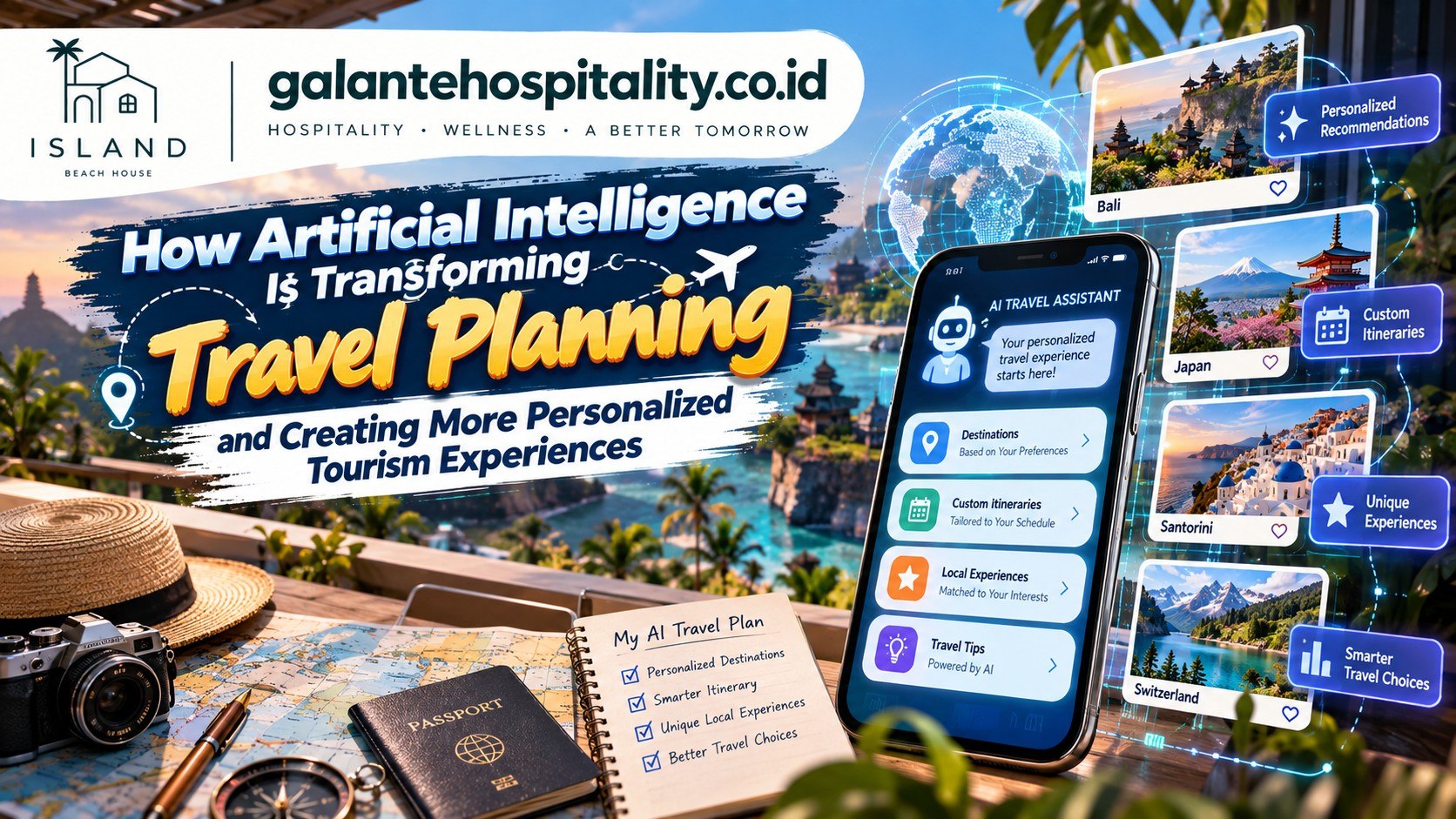

Planning a holiday often involves comparing flights, researching accommodation, checking entry requirements, building itineraries, and estimating expenses. These tasks can become complicated when travelers visit several destinations or have limited time to organize their journey.
Artificial intelligence is creating new ways to simplify this process. AI-powered travel tools can help users research destinations, organize preferences, compare options, and develop personalized itineraries. As these technologies evolve, they are changing how travelers discover places and make decisions.
How AI Is Changing the Travel Planning Process
Traditional travel planning often requires switching between multiple websites and applications. A traveler might use one service to search for flights, another to compare hotels, and several more to research attractions and transportation.
AI assistants can help bring some of these activities together. Depending on the platform, users may describe their budget, preferred activities, travel dates, and destination interests in a single request.
An AI tool can then suggest an itinerary, recommend areas to explore, or identify questions that need further research. Travelers can refine the results by requesting fewer activities, shorter transfers, family-friendly options, or more time for relaxation.
However, AI recommendations should be treated as a starting point rather than a guaranteed travel plan. Prices, opening hours, entry requirements, and transportation schedules can change, so important details should be checked with reliable providers.
Personalized Recommendations for Different Travelers
One of the most useful applications of AI is its ability to organize suggestions around individual preferences.
A family traveling with children may prioritize convenient transportation, suitable accommodation, and activities for different age groups. A solo traveler may be more interested in cultural experiences, walking routes, or opportunities to meet other travelers.
Outdoor enthusiasts may look for hiking trails, national parks, and nature-based activities, while business travelers may need efficient transfers and accommodation close to meeting locations.
AI systems can help sort these options according to a traveler’s stated preferences. The quality of the results, however, depends on the accuracy of the information supplied and the reliability of the sources used.
Personalization should also remain under the traveler’s control. Users need clear ways to correct recommendations, change preferences, and reject suggestions that do not match their needs.
Saving Time Without Losing the Human Element
AI can reduce the time spent on repetitive research, particularly when travelers need to compare many destinations or organize complicated itineraries.
For instance, an assistant might create a draft schedule for a three-day city break, group nearby attractions together, and identify possible transportation connections.
Travelers can then focus on the decisions that require personal judgment, such as choosing the right hotel, deciding which experiences matter most, and determining how much activity they want each day.
Human expertise remains valuable when planning trips involving accessibility requirements, complex international connections, specialized outdoor activities, or unusual travel circumstances.
Local guides and experienced travel advisers may also provide cultural insight and practical knowledge that automated recommendations cannot reliably reproduce.
The Risks of Inaccurate AI Travel Advice
Despite its benefits, AI does not always provide correct or current information. It may suggest attractions that are temporarily closed, misinterpret local transportation rules, or produce an itinerary that is unrealistic given actual travel times.
A recommendation can also overlook important details, such as seasonal weather, accessibility limitations, local holidays, or restrictions affecting particular activities.
Travelers should independently verify critical information through official tourism websites, airlines, accommodation providers, and relevant government authorities.
Entry requirements deserve particular attention. Passport validity, visa rules, and health-related entry requirements may differ by nationality and destination. An AI-generated summary should never replace an authoritative check.
Privacy and Responsible Use of Travel Technology
Personalized planning can involve sharing sensitive details, including travel dates, accommodation preferences, approximate budgets, and information about companions.
Before using an AI travel platform, travelers should understand what information it collects, how the data may be used, and whether it is shared with third parties.
Users should avoid sharing unnecessary identity documents, payment information, or other sensitive personal details in general-purpose AI conversations.
Travel companies also need to be transparent about how automated recommendations are generated and whether sponsored listings influence the results. Travelers should be able to distinguish paid promotions from recommendations based on their stated preferences.
How Tourism Businesses Can Benefit From AI
Hotels, tour operators, airlines, and destination-management organizations can use AI to improve customer service and streamline routine tasks.
For example, AI assistants can help answer common questions, summarize destination information, translate basic communications, and organize customer requests. These tools may allow staff to spend more time addressing complex situations that require personal attention.
Smaller tourism businesses may also use AI to prepare multilingual descriptions, create draft marketing materials, and respond more efficiently to customer inquiries.
Nevertheless, automation should not replace essential human support. Travelers need access to a real person when dealing with cancellations, emergencies, accessibility concerns, or complicated booking problems.
Building a Better AI-Assisted Travel Experience
The most effective approach combines AI convenience with independent verification and personal judgment.
Travelers can begin by using an AI assistant to create an initial itinerary. They should then confirm prices and schedules, review accommodation details, check local conditions, and adjust the plan according to their own comfort level.
Leaving free time in the itinerary is equally important. A personalized trip should reflect the traveler’s interests without becoming an inflexible list of activities.
As AI tools improve, their value will depend on how accurately they understand user preferences, how responsibly they handle personal information, and how clearly they communicate uncertainty.
Conclusion
Artificial intelligence is making travel planning more accessible by helping people organize information and explore personalized options. It can simplify research, support itinerary creation, and help tourism businesses improve their services.
However, technology works best when combined with reliable information, responsible data practices, and human judgment. Travelers who use AI as a planning assistant rather than an unquestioned authority can benefit from greater convenience while remaining in control of their journeys.


