







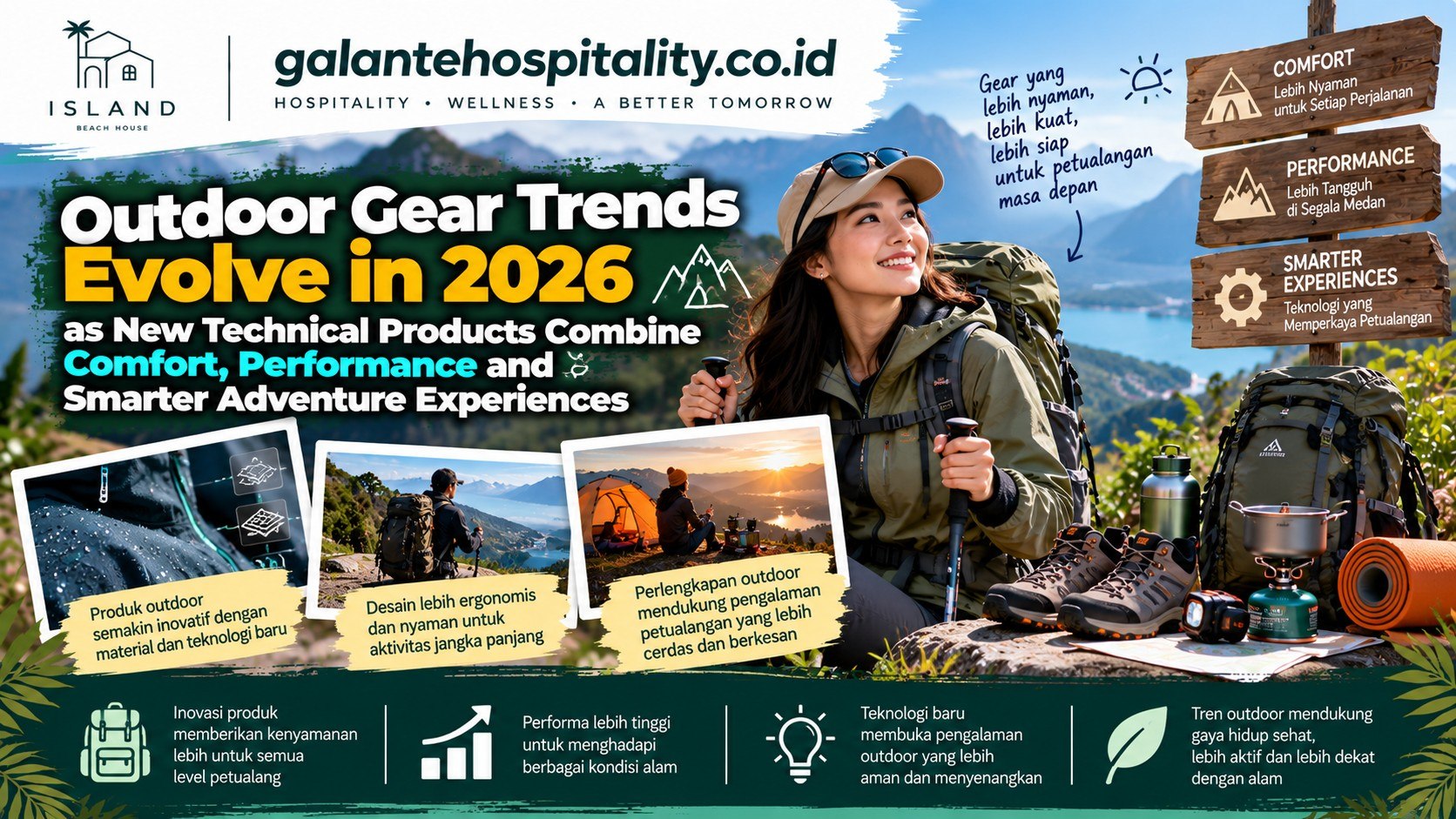

Outdoor gear is changing as consumers look for equipment that can perform well without sacrificing comfort or convenience.
Hikers, campers, travelers, runners, and other outdoor enthusiasts are increasingly interested in products that are lightweight, durable, versatile, and suitable for different environments.
At the same time, technology is becoming more integrated into outdoor equipment.
These developments are creating a new generation of gear designed not only to protect users from challenging conditions but also to make outdoor experiences easier to manage.
Lightweight Design Remains Important
Weight is one of the biggest considerations when selecting outdoor equipment.
Carrying a heavy backpack can make long hikes more tiring, especially when the route includes steep terrain.
Manufacturers are therefore continuing to explore materials and designs that reduce weight while maintaining durability.
Lightweight backpacks, tents, sleeping systems, jackets, and cooking equipment can help outdoor enthusiasts carry what they need without unnecessary bulk.
However, lighter does not always mean better.
Outdoor users should consider durability, weather resistance, repairability, and the conditions in which equipment will be used.
Comfort Is Becoming a Major Priority
Performance remains important, but comfort is increasingly influencing purchasing decisions.
Outdoor clothing is now designed to manage moisture, temperature changes, wind, and movement.
Footwear manufacturers are also focusing on cushioning, stability, grip, and fit.
For beginners, comfort can be especially important because uncomfortable equipment may discourage them from continuing with an activity.
Good outdoor gear should help users concentrate on their experience rather than constantly adjusting their equipment.
Smart Technology Enters the Outdoors
Technology is becoming increasingly visible in outdoor recreation.
Navigation devices, satellite communication tools, GPS watches, emergency beacons, and connected equipment can provide useful information during adventures.
These products can be particularly valuable in remote environments.
For example, navigation technology can help users understand their location and route, while weather information can help them make better decisions.
Nevertheless, outdoor enthusiasts should avoid becoming completely dependent on electronic devices.
Batteries can run out, devices can fail, and weather conditions can interfere with technology.
Traditional navigation skills and preparation remain essential.
One Product, Multiple Uses
Versatility is another major trend in outdoor gear.
Consumers may not want to purchase separate equipment for every activity.
Instead, they often prefer products that can be used for hiking, camping, travel, and everyday life.
This can also make outdoor gear more financially practical.
A durable backpack, for example, can serve as a hiking pack during the weekend and a travel bag during the week.
Manufacturers that understand this demand can create products with broader appeal beyond the traditional outdoor market.
Sustainability Influences Gear Decisions
Environmental concerns are also affecting outdoor equipment.
Consumers are increasingly interested in products made with recycled materials, longer-lasting components, and more responsible manufacturing processes.
Durability itself can contribute to sustainability.
A product that lasts for many years may reduce the need for frequent replacement.
Repairable equipment can also extend product life.
For outdoor enthusiasts who care about nature, choosing durable products and maintaining them properly can be an important part of responsible consumption.
Safety Features Matter More in Remote Environments
Outdoor adventures can involve unpredictable conditions.
Weather can change quickly, trails can become difficult, and communication may be limited in remote locations.
Gear manufacturers are therefore focusing on safety-oriented features.
Reflective elements, emergency communication devices, weather-resistant clothing, reliable lighting, and improved navigation tools can all contribute to safer experiences.
However, equipment is only one part of outdoor safety.
Users also need to understand the environment, check forecasts, tell someone about their plans, and know when to turn back.
What Outdoor Consumers Should Look For
When choosing outdoor gear, consumers should focus on their actual needs rather than simply buying the newest product.
Important questions include:
- Where will the equipment be used?
- What weather conditions are expected?
- How frequently will it be used?
- How much weight can be comfortably carried?
- Is the product easy to maintain?
- Can it be repaired?
- Does it provide appropriate safety features?
Answering these questions can prevent unnecessary purchases and help users choose equipment that provides long-term value.
The Direction of Outdoor Gear
Outdoor equipment is moving toward a combination of performance, comfort, versatility, technology, and responsible design.
The best products will not necessarily be the most complicated.
Instead, successful outdoor gear will be equipment that solves real problems while remaining practical and dependable.
As more people explore hiking, camping, and other outdoor activities, manufacturers will continue responding to changing expectations.
The result is an outdoor gear market that increasingly focuses on making adventures safer, more comfortable, and more accessible.


