







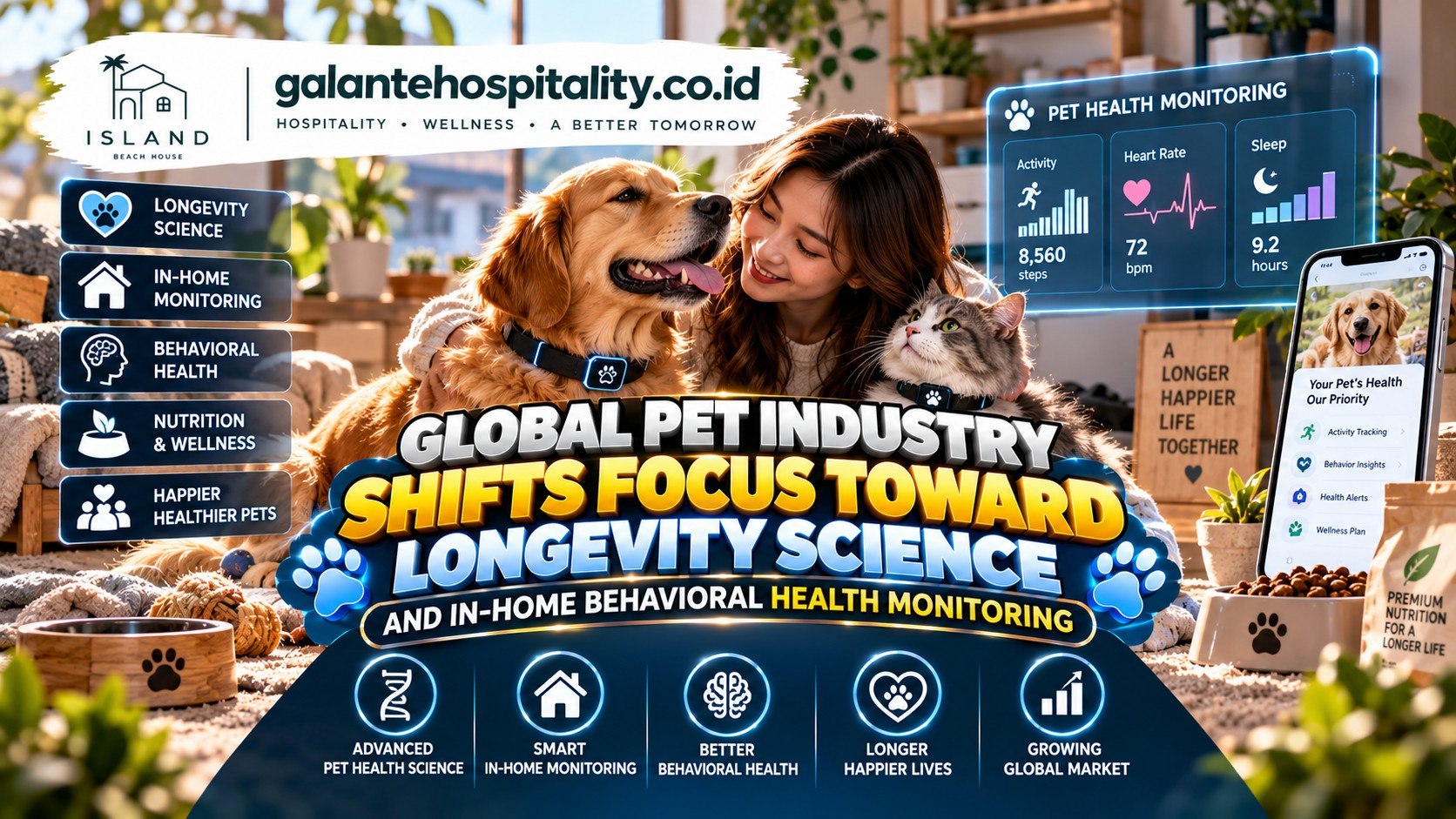

The multi-billion-dollar global pet care industry is undergoing a structural paradigm shift, transitioning from basic life-extension to maximizing functional “healthspan”—the period of life spent free from chronic disease and physical decline. Driven by advances in veterinary biotechnology, cellular longevity research, and artificial intelligence, pet care brands are expanding beyond routine veterinary treatments to focus on age-reversal therapies, anti-aging nutrition, and real-time behavioral health tracking.
As companion animals live longer than in previous generations, pet parents are seeking proactive solutions to address age-related mobility issues, canine cognitive dysfunction, and chronic stress directly within the home environment.
1. The Paradigm Shift from Lifespan to Functional Healthspan
While improved vaccinations and basic nutrition have extended the average lifespan of cats and dogs over the past few decades, longevity alone is no longer the primary benchmark for success. The modern longevity movement prioritizes vitality, cognitive sharpness, and pain-free mobility during senior years.
+-------------------------------------------------------------------+
|               TRADITIONAL vs. LONGEVITY-FOCUSED CARE              |
+-------------------------------------------------------------------+
| Focus Area                    | Modern Longevity Approach         |
+-------------------------------+-----------------------------------+
| Primary Goal                  | Extending active healthspan       |
| Intervention Model            | Proactive cellular & dietary care |
| Diagnostic Framework          | In-home behavioral AI telemetry   |
| Cognitive Management          | Targeted neuro-protectants        |
+-------------------------------+-----------------------------------+
Core Drivers of Longevity Science:
- Cellular & Metabolic Research: Development of targeted supplements, postbiotics, and cellular therapies that mitigate mitochondrial oxidative stress in aging pets.
- Joint & Mobility Preservation: Early interventions using anti-inflammatory bio-actives and regenerative therapies to prevent degenerative joint disease before visible lameness occurs.
- Cognitive Function Maintenance: Formulating diets enriched with medium-chain triglycerides (MCTs) and antioxidants to slow down cognitive decline in senior animals.
External Reference: Explore animal health trends and veterinary scientific updates via theHealthforAnimals Global Report Portal(Outbound Link Suggestion).
2. In-Home Behavioral Telemetry for Early Disease Detection
One of the greatest biological hurdles in veterinary medicine is that animals naturally mask physical pain and illness until clinical conditions become advanced. In-home behavioral monitoring systems bridge this gap by capturing micro-changes in daily routines.
                 In-Home Behavioral Telemetry Stack
                                  |
   +------------------------------+------------------------------+
   |                                                             |
   v                                                             v
[AI Smart Collars & Wearables]                [Ambient Smart Home Sensors]
Tracks gait alterations, sleep fragmentation,  Monitors litter box frequency, feeding pace,
restlessness, and scratching rates             and subtle changes in social interaction
1. AI-Powered Wearable Sensors
Smart harnesses and collars equipped with multi-axis accelerometers analyze posture changes, gait symmetry, and sleep quality. Machine learning models flag early indicators of arthritis or systemic pain weeks before owners observe physical limping.
2. Stress and Mental Health Analytics
Behavioral health is now recognized as directly linked to physical longevity. Monitoring systems track pacing, night-time anxiety, and vocalization patterns, allowing veterinarians to address cognitive dysfunction or chronic stress proactively.
3. Integrating At-Home Data into Veterinary Workflows
The surge in continuous biometric data is reshaping how pet parents collaborate with primary care veterinarians:
                 +---------------------------------+
                 |  VETERINARY PRACTICE ADVANTAGES |
                 +---------------------------------+
                                   |
   +-------------------------------+-------------------------------+
   |                               |                               |
   v                               v                               v
[Longitudinal Health Records] [Targeted Pain Management]   [Personalized Care Plans]
Continuous data replaces      Early detection allows      Therapy adjusted based on
vague annual observations      lower-dose interventions    real-time daily activity
By providing veterinarians with continuous longitudinal data, practitioners can make evidence-based adjustments to medication dosages, therapeutic diets, and rehabilitation plans.
4. Strategic Industry Outlook for Pet Longevity and Tech
The convergence of longevity science and intelligent behavioral monitoring marks a mature, tech-enabled era for the global pet industry. Brands and veterinary networks that invest in validated diagnostic data, scientific nutrition, and non-invasive monitoring tools will lead the market in supporting longer, healthier lives for companion animals worldwide.


