







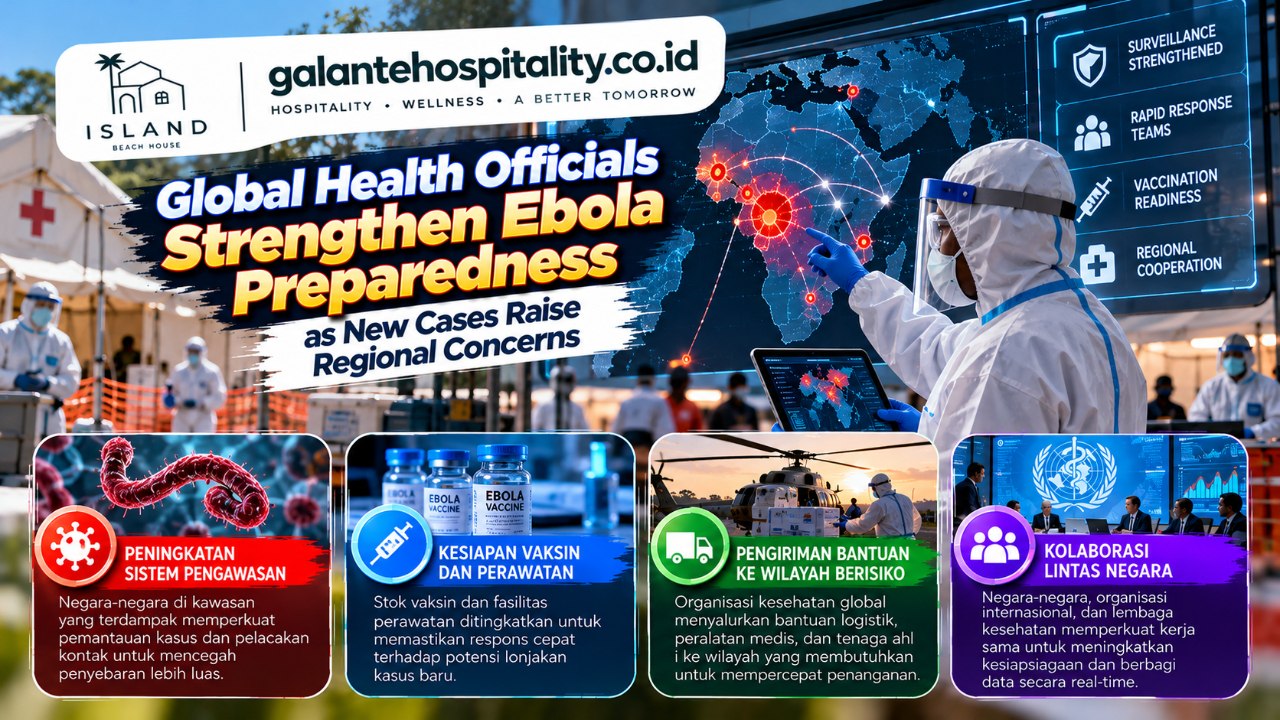

Ebola preparedness has returned to the international health agenda following the confirmation of additional cases in Kenya in October 2026. The development has highlighted the importance of early detection, effective contact tracing, infection prevention, and coordination between health authorities when responding to dangerous infectious diseases.
According to Reuters, Kenya confirmed four additional cases of the Bundibugyo virus on October 17, bringing the country’s total to seven. The newly confirmed cases included three healthcare workers who had treated the initial patient and a male relative of that patient. Authorities reported that all four were already in quarantine when their infections were identified.
The situation underscores the need for healthcare systems to respond quickly while communicating accurate information to the public.
Why Early Detection Matters
Ebola is a serious viral disease that can cause severe illness and, in some cases, death. Early recognition of symptoms and prompt medical assessment are important for protecting patients and reducing the risk of further transmission.
Symptoms can initially resemble those of other illnesses, making it important for healthcare professionals to consider a patient’s medical history, potential exposure, and travel circumstances.
People who develop symptoms after a known exposure should seek urgent medical advice and explain their possible contact with an infected person. They should follow instructions from local health authorities rather than attempting to manage a suspected infection without professional guidance.
Early detection also allows health teams to identify people who may have been exposed and determine what monitoring or other public health measures are appropriate.
Healthcare facilities need procedures for safely assessing suspected cases, isolating patients when necessary, and using appropriate protective equipment. These measures help protect both patients and medical staff.
Contact Tracing Plays a Central Role
Contact tracing helps public health teams identify people who may have been exposed to an infected individual. Health authorities can then assess their risk, provide instructions, and monitor them according to established protocols.
The process can be challenging when a patient has traveled between locations or interacted with many people before receiving a diagnosis. Accurate records and cooperation from affected individuals can help investigators establish relevant exposure histories.
In Kenya’s October outbreak response, authorities reported that 128 of 130 identified contacts had been traced and quarantined, according to Reuters. The remaining contacts were still being sought as officials continued their investigation.
These figures demonstrate why timely information sharing matters during an infectious disease emergency. Even when most contacts have been identified, public health teams need to continue investigating outstanding connections.
Contact tracing must also protect personal privacy. Health authorities should share information necessary to protect the public without unnecessarily exposing the identities of patients or their relatives.
Protecting Healthcare Workers Is Essential
Healthcare workers can face increased exposure risks when caring for patients with suspected or confirmed Ebola. The infections reported among healthcare workers in Kenya highlight the importance of reviewing infection prevention practices during an outbreak.
Hospitals and clinics need clear procedures for identifying suspected cases, limiting unnecessary exposure, and safely handling contaminated materials. Staff must receive appropriate training and access to protective equipment.
Facilities should also establish clear responsibilities for patient assessment, isolation, laboratory testing, and communication with public health teams.
Training is particularly important when a disease is uncommon in a particular location. Healthcare professionals need to recognize when an unusual combination of symptoms and exposure history requires additional precautions.
Protecting medical staff is not only a workplace safety issue. It also helps preserve the capacity of healthcare services to respond to an outbreak without creating additional chains of transmission.
Regional Cooperation Helps Limit Cross-Border Risks
Infectious diseases can spread across borders through the movement of people. This makes cooperation between neighboring countries important when an outbreak involves international travel.
Health authorities may coordinate case reporting, contact tracing, laboratory testing, and information sharing. Airports and other transport hubs can also support preparedness through established procedures for assessing travelers who may require medical attention.
However, travel screening alone cannot identify every possible infection. People may be incubating an illness without symptoms, and screening procedures have practical limitations.
A comprehensive response therefore requires cooperation between hospitals, laboratories, border authorities, emergency response teams, and international public health organizations.
Kenya’s reported cases were linked to an outbreak involving the Democratic Republic of the Congo, according to Reuters. The connection highlights the importance of coordinating outbreak investigations across national boundaries.
Preparedness measures should be based on the epidemiological situation and public health guidance rather than fear or speculation. Clear communication can help people understand the actual risks and avoid unnecessary panic.
Vaccines and Treatment Require Careful Scientific Assessment
Ebola is caused by viruses belonging to the Orthoebolavirus genus, which includes several distinct species. Medical countermeasures are not necessarily effective against every type of Ebola virus.
Reuters reported that no approved vaccines or treatments were available for the Bundibugyo strain involved in the cases described in Kenya.
This distinction matters because vaccines and treatments developed for one Ebola species cannot automatically be assumed to work against another. Research, clinical evaluation, and regulatory review remain important parts of developing effective countermeasures.
Medical care can include supportive treatment aimed at managing symptoms, maintaining hydration, and addressing complications. The appropriate approach depends on the patient’s condition and the clinical guidance available.
Health authorities and research institutions also need to maintain surveillance systems capable of detecting changes in transmission patterns and identifying opportunities for improved prevention and treatment.
Public Communication Must Be Accurate and Responsible
During an outbreak, misleading information can spread quickly through social media and messaging platforms. Unverified claims may create fear, encourage unsafe behavior, or undermine trust in healthcare professionals.
Public health agencies should provide regular updates explaining confirmed cases, exposure risks, recommended precautions, and the status of investigations.
Members of the public should rely on recognized health authorities and reputable news organizations when evaluating outbreak information. They should avoid sharing unverified reports about infected individuals or supposed transmission events.
Communication should also distinguish between confirmed facts and information that remains under investigation. Being transparent about uncertainty helps people understand how public health assessments may change as new evidence becomes available.
Strengthening Preparedness Beyond the Current Outbreak
The response to Ebola requires more than emergency measures introduced after cases are detected. Countries benefit from maintaining trained healthcare teams, reliable laboratory capacity, clear reporting systems, and plans for coordinating across different levels of government.
Regular training exercises can help hospitals and public health agencies identify weaknesses before a real emergency occurs. Preparedness also includes ensuring that essential supplies and protective equipment can be accessed when needed.
Communities play an important role as well. Public health efforts are more effective when people understand where to seek medical care, how to report possible exposure, and why following professional guidance matters.
The current situation in Kenya illustrates the importance of combining early detection, contact tracing, healthcare worker protection, and regional cooperation.
Although every outbreak has its own characteristics, the underlying lesson remains consistent: preparedness must be maintained before an emergency begins. Reliable information, effective healthcare systems, and coordinated public health action are essential for limiting transmission and protecting communities.


