







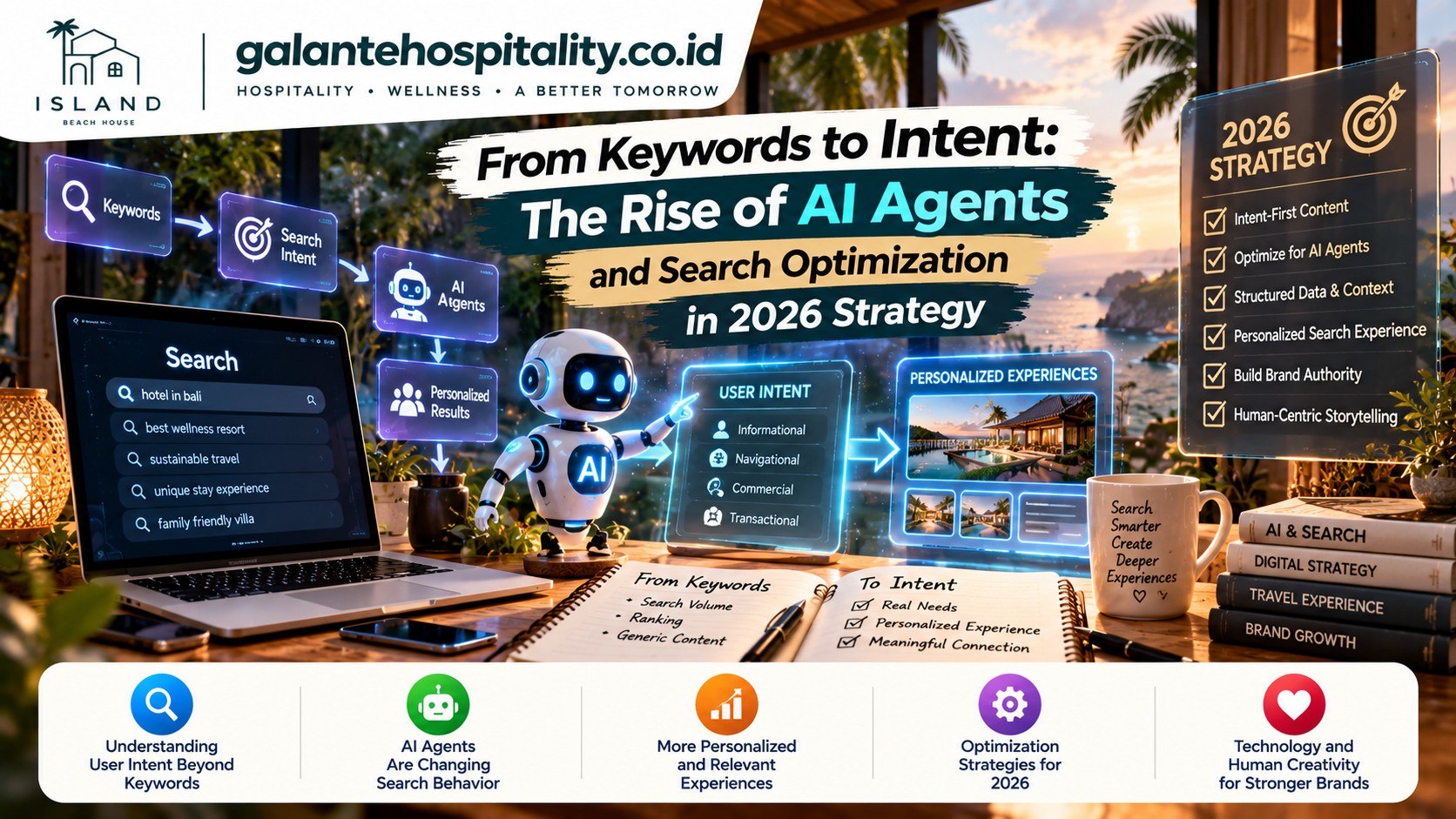

Search marketing is entering another major transition as AI becomes increasingly integrated into the way people discover information online.
Traditional search optimization often focuses heavily on keywords, rankings, and individual search queries. However, AI-powered search systems and AI agents can interpret longer requests, understand context, and provide synthesized answers.
This development is encouraging marketers to think beyond individual keywords and focus more heavily on search intent.
Search Behavior Is Becoming More Conversational
People increasingly use natural language when interacting with AI tools.
Instead of entering a short phrase such as “best running shoes,” a user may ask an AI system to recommend running shoes based on distance, terrain, budget, and previous preferences.
That creates a more detailed search journey.
For marketers, understanding the complete question behind a search can become more useful than simply targeting a single keyword.
Why Search Intent Matters
Search intent refers to the reason behind a user’s query.
Someone searching for “how to choose a laptop” may be looking for educational information. Another person searching for “buy laptop today” has a much stronger purchasing intention.
A successful search strategy needs to understand these differences.
Content should therefore answer the actual questions users are trying to solve rather than simply repeating keywords throughout an article.
AI Agents Could Change the Customer Journey
AI agents can potentially perform multiple steps on behalf of users. Depending on the system and available permissions, an agent may research options, compare information, summarize findings, or assist with other tasks.
This changes how brands think about visibility.
A company may need content that is not only easy for traditional search engines to understand but also clear and useful for AI systems that retrieve and summarize information.
Content Quality Becomes More Important
Moving from keywords to intent does not mean keywords are irrelevant.
Keywords still help search systems understand a topic. However, modern optimization also requires logical structure, useful information, clear answers, and reliable context.
Marketers can strengthen content by addressing related questions, explaining concepts clearly, and organizing information around real customer needs.
Building an Intent-Focused Strategy
An intent-focused strategy can begin with several steps.
First, marketers can identify the main questions customers ask before making a decision. Next, they can create content that answers those questions at different stages of the customer journey.
Content should also be updated as products, consumer behavior, and technology change.
This approach can create a broader content ecosystem rather than relying on a single page targeting one keyword.
The Next Stage of Search Marketing
Search optimization in 2026 is increasingly connected to how people interact with AI.
The shift from keywords to intent does not mean traditional SEO has disappeared. Instead, it expands the definition of optimization.
Brands now have to consider keywords, context, intent, content quality, and how information can be interpreted by both people and AI-powered systems.


