







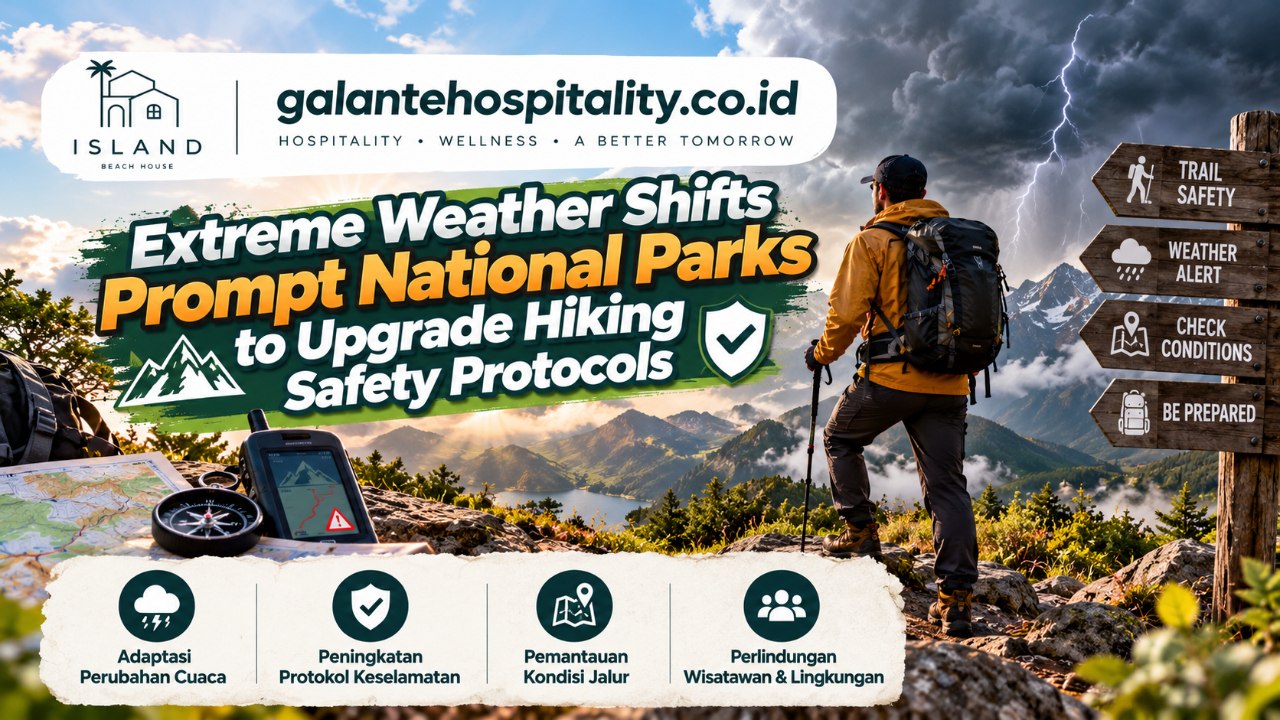

National parks and protected outdoor destinations are placing greater emphasis on hiking safety as changing weather patterns create additional challenges for visitors. Sudden storms, extreme heat, heavy rainfall, flash flooding, and unexpected temperature changes can turn familiar trails into hazardous environments.
In 2026, park managers, rescue teams, and outdoor recreation organizations continue to face the challenge of helping visitors prepare for conditions that can change rapidly. Improving warning systems, strengthening emergency procedures, and educating hikers are important steps toward reducing accidents in remote areas.
Although weather-related risks vary between regions and seasons, outdoor enthusiasts are increasingly encouraged to treat preparation as an essential part of every hiking trip.
Unpredictable Weather Creates New Hiking Risks
Weather conditions can change significantly between a trailhead and a mountain summit. A route that begins under clear skies may later experience strong winds, reduced visibility, thunderstorms, or sudden drops in temperature.
Extreme heat presents another major concern. Hikers who underestimate temperatures, carry insufficient water, or attempt strenuous routes during the hottest hours may face dehydration, heat exhaustion, or heatstroke.
Heavy rainfall can increase the risk of slippery trails, landslides, rising rivers, and flash floods. In mountainous areas, thunderstorms may also expose hikers to lightning, particularly along exposed ridges and open terrain.
These hazards can affect experienced hikers as well as beginners. Familiarity with a trail does not eliminate the need to check current forecasts and assess changing conditions.
National Parks Strengthen Safety Procedures
Park authorities can reduce risks by reviewing trail closures, emergency response plans, visitor information systems, and communication procedures. Where resources permit, these measures may include improved weather monitoring, updated warning signs, clearer evacuation routes, and more frequent trail inspections.
Digital communication is also becoming an important part of visitor safety. Official websites, mobile alerts, park applications, and social media channels can distribute warnings about dangerous weather, temporary closures, and changing access conditions.
However, digital information has limitations in remote environments. Mobile coverage may be unreliable, and some visitors may not receive alerts after entering areas without a signal.
For this reason, physical information boards, ranger briefings, emergency markers, and clearly identified meeting points remain important. Parks must also communicate closures consistently so that visitors understand when a route is unsafe.
Emergency teams may need to adapt staffing and rescue procedures when severe weather increases the likelihood of incidents. In difficult terrain, rescue operations can become more dangerous when visibility declines or helicopter access is restricted.
Hikers Must Take Greater Responsibility for Preparation
Park safety improvements are most effective when visitors also prepare carefully. Before leaving, hikers should review the forecast, understand the route’s difficulty, check official park advisories, and estimate how long the trip will take.
A realistic itinerary should account for elevation changes, terrain, daylight, and the physical condition of everyone in the group. Starting early may help hikers avoid peak afternoon heat, but the best departure time depends on local conditions and official guidance.
Essential equipment includes suitable footwear, weather-appropriate clothing, sufficient drinking water, food, navigation tools, a first-aid kit, and a reliable method of communicating in an emergency. A headlamp is also useful if a trip takes longer than expected.
For remote hikes, carrying a satellite communicator or personal locator beacon may provide an additional safety option where ordinary mobile service is unavailable. Visitors should learn how to use such devices before relying on them.
Hikers should also tell a trusted person their route and expected return time. Groups need a clear plan for responding if someone becomes injured, separated, or unable to continue.
Technology Supports Early Warnings and Rescue Operations
Weather-monitoring technology can help park managers identify dangerous conditions and distribute warnings more quickly. Rain gauges, river-level sensors, weather stations, and forecasting systems may provide useful information for assessing risks in vulnerable areas.
Some destinations also use digital mapping and location-sharing tools to help visitors understand trail conditions. These systems can complement ranger observations and emergency reports, although they cannot guarantee that every hazard will be identified in advance.
Technology must therefore support, rather than replace, sound judgment. A weather application may not reflect conditions on a particular ridge or in a narrow valley, and a marked trail may still become dangerous after heavy rain.
Clear communication between meteorological agencies, park authorities, local emergency services, and tourism operators is essential. Coordinated warnings can help visitors make informed decisions before dangerous conditions develop.
Balancing Tourism With Environmental Protection
Weather-related closures can create economic difficulties for communities that depend on outdoor tourism. Guides, accommodation providers, transport operators, and nearby businesses may lose income when popular routes become inaccessible.
Nevertheless, keeping a trail open during dangerous conditions can expose visitors and rescue personnel to unnecessary risks. Temporary restrictions may also protect fragile landscapes from erosion, flooding damage, and excessive visitor pressure.
Park managers must balance public access with safety and conservation. Transparent explanations, timely updates, and alternative activity recommendations can help visitors understand why restrictions are necessary.
Tourism businesses can contribute by providing accurate information and encouraging customers to follow official advice rather than attempting closed routes.
Building a Safer Future for Outdoor Recreation
Improving hiking safety requires more than responding to emergencies after they occur. It involves better preparation, reliable communication, effective trail management, and a culture that treats changing weather seriously.
As weather-related challenges continue to affect outdoor destinations, park authorities and visitors will need to remain flexible. Checking forecasts, carrying appropriate equipment, respecting closures, and turning back when conditions deteriorate can prevent many avoidable incidents.
Ultimately, a successful hiking experience is not measured only by reaching a summit or completing a route. Making sound decisions and returning safely are equally important parts of responsible outdoor recreation.


