







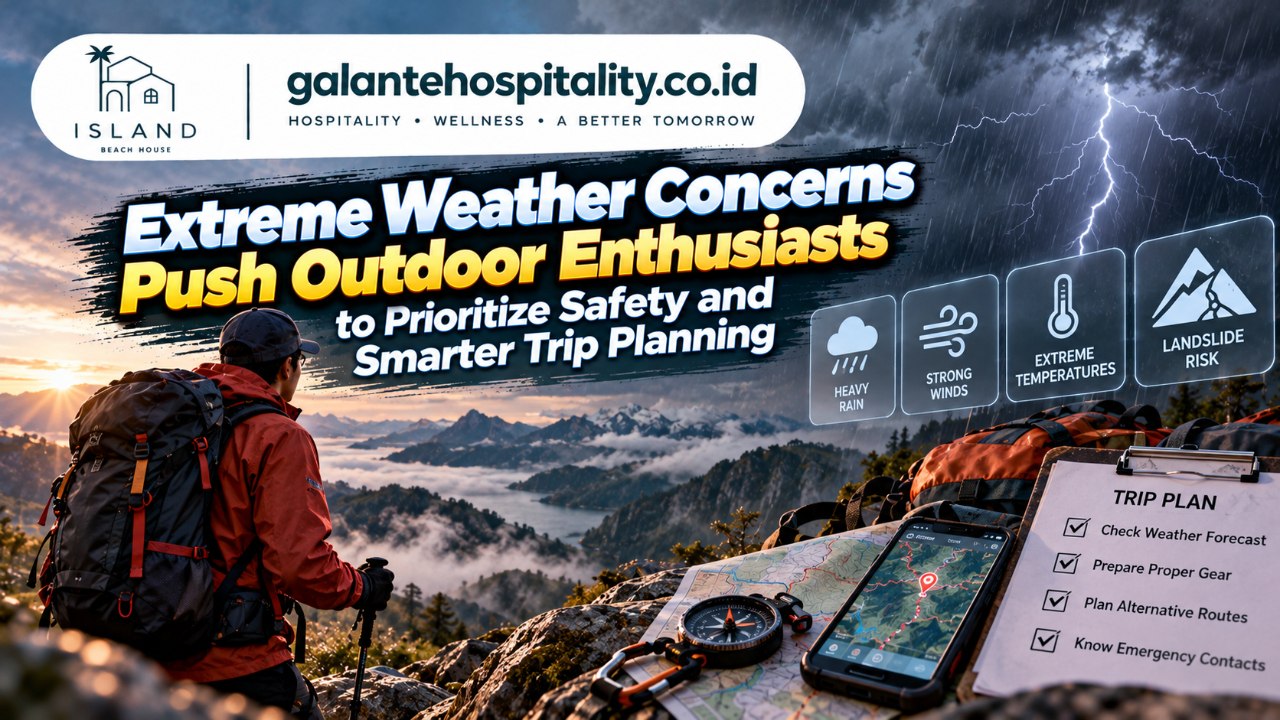

Outdoor enthusiasts are being encouraged to place greater emphasis on preparation as changing weather conditions create additional challenges for hiking, camping, cycling, and other nature-based activities. A trip that appears straightforward under favorable conditions can become difficult when heavy rain, strong winds, extreme heat, or sudden temperature changes occur.
Weather awareness is therefore becoming an essential part of outdoor planning. Travelers need to consider not only the forecast at the starting point but also how conditions may change along the route and throughout the day.
Outdoor safety authorities regularly emphasize preparation, awareness, and responsible decision-making during seasonal transitions. Guidance published by New Hampshire Fish and Game on October 6, 2026, similarly encourages outdoor visitors to remain prepared and aware while exploring during the fall and winter seasons.
Weather Conditions Can Change the Nature of a Trip
Different outdoor activities present different weather-related risks. Hikers may encounter slippery rocks, reduced visibility, or rapidly falling temperatures. Campers can face difficulties securing tents during strong winds or staying dry during prolonged rainfall.
Cyclists may have to contend with wet roads, poor visibility, and gusts that affect balance. People participating in water-based activities must also consider changing currents, waves, and the possibility of storms.
Extreme heat creates a separate set of concerns. Physical exertion in hot conditions can increase the risk of dehydration and heat-related illness, particularly when people underestimate how much water they need or continue exercising after feeling unwell.
Understanding these risks allows outdoor enthusiasts to make better decisions before leaving home.
Planning Should Begin Before Departure
A reliable outdoor plan starts with checking the latest weather forecast for the destination. In mountainous areas, conditions at higher elevations may differ significantly from those in nearby towns. Forecasts should be reviewed again before departure, especially when the trip involves remote terrain or an extended stay outdoors.
Travelers should also investigate local alerts, trail closures, seasonal restrictions, and advice from park authorities. If a route is closed because of dangerous conditions, choosing another destination is safer than attempting to bypass restrictions.
Equipment should match the expected environment. Depending on the activity, useful items may include waterproof layers, warm clothing, navigation tools, a first-aid kit, sufficient drinking water, and a reliable communication device.
People traveling into remote areas should consider whether mobile coverage is available and how they would request help if an emergency occurred.
Knowing When to Turn Back Is a Critical Skill
One of the most important outdoor safety decisions is recognizing when conditions have become too dangerous to continue. Some travelers feel pressure to finish a route because they have invested time, money, or effort in reaching the destination.
That pressure can lead to poor decisions. A deteriorating forecast, an approaching storm, worsening visibility, unexpected fatigue, or a trail that has become difficult to navigate may justify changing the plan.
Turning back does not represent failure. It demonstrates that safety is more important than completing a particular activity.
Group leaders should also pay attention to the least experienced participant rather than setting the pace according to the strongest member. Regular breaks and honest communication can help identify problems before they become emergencies.
Technology Helps, but It Cannot Replace Judgment
Weather applications, GPS devices, and digital trail maps can make trip planning easier. They provide useful information about routes, expected conditions, and navigation.
However, digital tools have limitations. Forecasts can change, batteries can run out, and remote locations may have weak connectivity. Travelers should understand how to use their equipment and consider carrying backup navigation methods when appropriate.
It is also important to avoid relying solely on social media posts when evaluating trail conditions. A photograph or video may show conditions from several hours or days earlier and may not reflect the current situation.
Official park notices, weather services, and local authorities are generally better sources for safety-critical information.
Responsible Decisions Make Outdoor Adventures More Enjoyable
Outdoor recreation can offer physical activity, relaxation, and opportunities to connect with nature. These benefits are easier to enjoy when participants take reasonable precautions and remain flexible about their plans.
Checking weather conditions, selecting suitable routes, packing appropriate equipment, and informing others about travel plans can reduce avoidable risks.
As weather-related challenges continue to influence outdoor activities, preparation should be viewed as a normal part of the adventure rather than an inconvenience. The most successful trip is not necessarily the longest or most difficult one, but the one that allows participants to return safely.


