







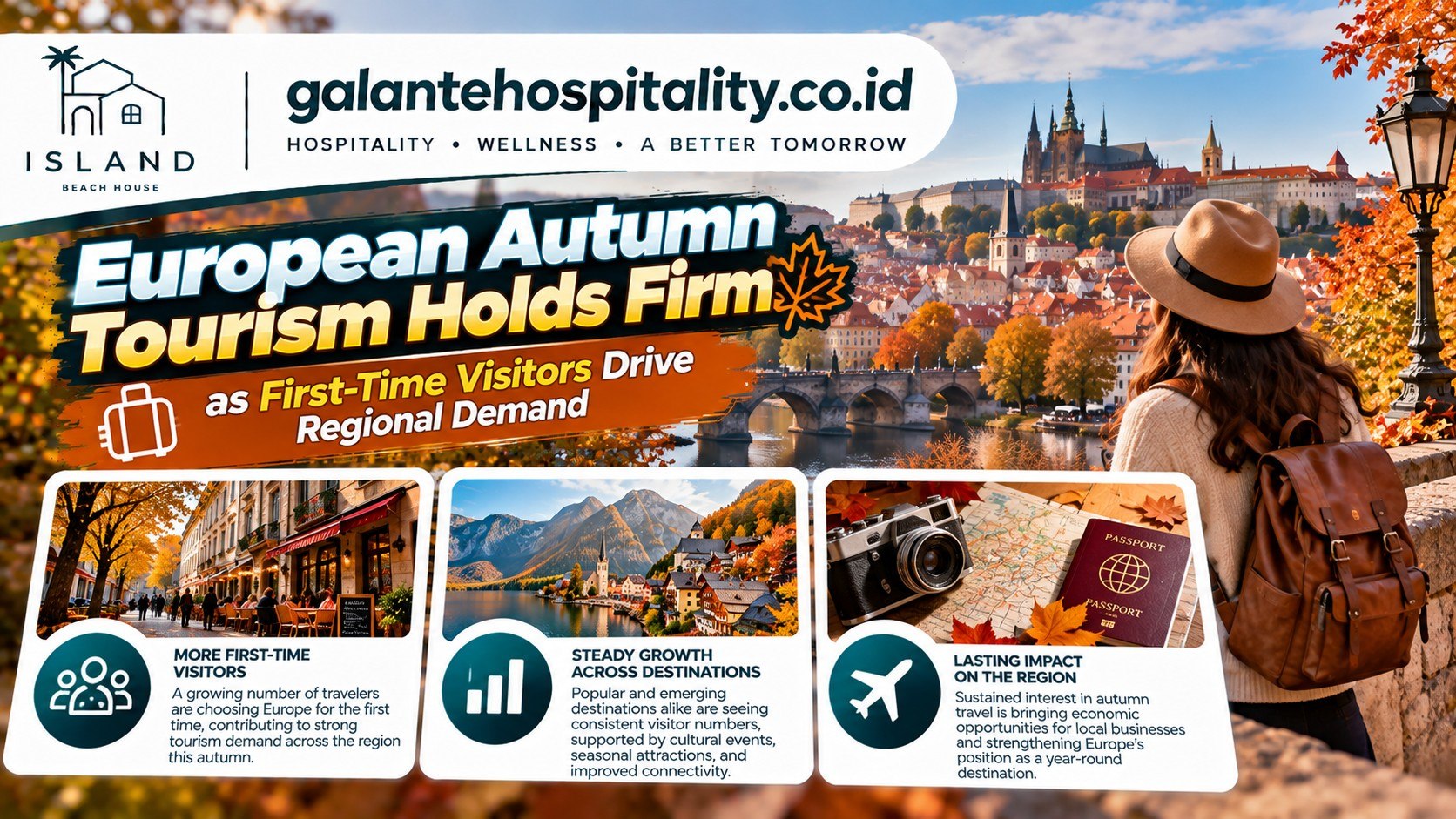

European tourism continues to attract international visitors beyond the traditional summer holiday season. Autumn offers travelers an opportunity to explore historic cities, cultural attractions, food destinations, and natural landscapes while experiencing different weather conditions and seasonal activities.
Demand during this period is influenced by several factors, including flight availability, accommodation prices, school holidays, cultural events, and travelers’ preferences for less crowded destinations.
First-time visitors can contribute to this demand by exploring destinations that have not previously been part of their travel plans. Their choices create opportunities for regional tourism businesses to attract new customers and encourage visitors to discover locations beyond Europe’s most established hotspots.
Autumn Offers a Different European Travel Experience
Autumn changes the character of many European destinations. Urban attractions remain accessible in numerous cities, while parks, countryside areas, and historic districts take on seasonal colors.
Travelers can combine museum visits, architecture tours, local food experiences, and cultural events without relying exclusively on beach activities or summer festivals.
In some destinations, cooler temperatures make walking tours and outdoor sightseeing more comfortable than during periods of intense summer heat. However, weather conditions vary significantly between northern, central, eastern, and southern Europe.
Daylight hours also become shorter as autumn progresses, so visitors should plan outdoor activities and transportation accordingly.
These seasonal differences allow destinations to develop travel experiences tailored to specific interests rather than relying entirely on peak-season demand.
First-Time Visitors Expand Tourism Opportunities
First-time visitors often seek a combination of recognizable attractions and experiences that help them understand a destination’s culture.
Popular landmarks may provide an introduction, while local markets, neighborhood restaurants, museums, and guided walking tours can offer a deeper perspective.
For tourism businesses, this creates opportunities to develop clear itineraries for travelers who are unfamiliar with local transportation, booking systems, and cultural customs.
Accessible visitor information is especially important for people traveling independently. Multilingual websites, reliable public transport information, and transparent pricing can make destinations easier to navigate.
Regional tourism organizations can also introduce visitors to lesser-known attractions through thematic routes, including food tourism, heritage trails, outdoor activities, and local craft experiences.
However, first-time visitors should not be treated as a uniform group. Their budgets, interests, travel styles, and expectations can differ considerably.
Regional Destinations Seek More Balanced Demand
Tourism growth does not need to be concentrated in a small number of famous cities. Regional destinations can attract visitors by highlighting their own cultural identity, natural surroundings, and local experiences.
Smaller cities may offer historic architecture, museums, culinary traditions, and access to countryside attractions. Rural destinations can develop walking routes, cycling experiences, and community-based tourism activities.
Better transportation links can help travelers combine several destinations in one trip. However, journey times, seasonal service changes, and the availability of public transport need to be considered when designing itineraries.
Spreading visitors across different locations may create additional economic opportunities for local businesses. It can also help reduce pressure on heavily visited sites, provided that new destinations have adequate infrastructure and visitor-management plans.
Travel Costs Continue to Shape Decisions
Accommodation prices, airfare, restaurant costs, and local transportation remain important considerations when travelers choose where to go.
Autumn can provide alternatives to peak summer travel, but it does not guarantee lower prices everywhere. Major events, conferences, school holidays, and popular seasonal attractions can maintain strong demand in particular destinations.
Travelers can improve their planning by comparing several departure dates, reviewing cancellation conditions, and booking essential transportation in advance.
Choosing accommodation with convenient public transport access may also reduce the need for expensive transfers or rental vehicles.
Tourism businesses, meanwhile, can create packages that combine accommodation with cultural activities or regional excursions. Clear pricing and accurate descriptions help visitors understand the value of these offers.
Sustainable Tourism Becomes More Important
Maintaining visitor demand throughout the year can support employment and help businesses operate beyond the summer peak. However, extending the tourism season also requires responsible management.
Destinations need to consider the impact of visitor activity on housing, public transportation, waste management, water consumption, and protected natural areas.
Local authorities and tourism operators can promote public transport, encourage respectful behavior at cultural sites, and provide information about environmental protection.
Supporting local restaurants, independent shops, and community-led experiences can also help direct a greater share of tourism spending toward local businesses.
The objective is not simply to attract more visitors, but to create travel experiences that provide economic benefits without compromising residents’ quality of life.
What Travelers Can Expect During Autumn
Travelers planning an autumn trip to Europe should consider the climate, local event calendars, and operating schedules of attractions.
Some outdoor facilities and seasonal services may reduce their operating hours, while museums and indoor attractions can become useful alternatives during rainy weather.
Flexible itineraries can make it easier to adjust plans when conditions change. Visitors should also check local transport information, especially when combining major cities with smaller regional destinations.
First-time travelers may benefit from choosing a manageable number of stops rather than attempting to cover too many countries in a short period.
A well-planned itinerary can provide a richer experience while reducing unnecessary travel time.
Europe’s Autumn Tourism Outlook
European tourism has demonstrated resilience amid changing economic and geopolitical conditions. European Travel Commission data reported in July 2026 indicated that international arrivals across Europe had increased by 5% year to date compared with the same period in 2025.
The organization also reported growth in overnight stays, suggesting that demand extended beyond arrival numbers alone. Results varied across destinations, however, and regional performance should not be interpreted as proof that every market is experiencing the same trend.
For autumn, the combination of cultural experiences, regional discovery, and potentially more flexible travel dates may help sustain visitor interest.
Ultimately, destinations that provide reliable services, authentic experiences, and responsible tourism management will be better positioned to attract visitors throughout the year.


