







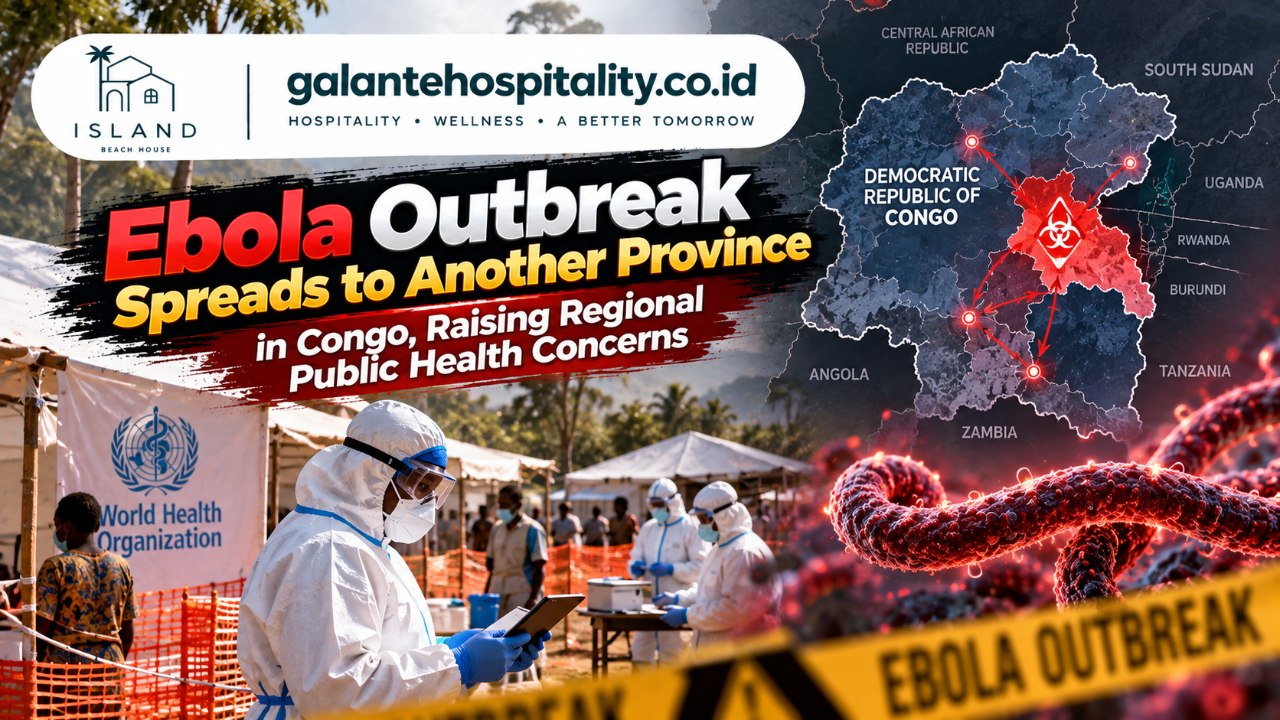

Health authorities are facing renewed challenges in containing an Ebola outbreak in the Democratic Republic of the Congo after the disease spread to another province. Reports published on October 19, 2026, said the outbreak had reached Nord-Ubangi, bringing the number of affected provinces to eight. Two cases, including one death, were reported in the newly affected province.
The development has raised concerns about the spread of infection across communities and the challenges of delivering medical assistance in areas with limited infrastructure.
Ebola is a serious infectious disease that can cause severe illness and requires rapid identification, appropriate medical care, and effective infection prevention measures.
Understanding the Ebola Outbreak
Ebola disease is caused by viruses in the Ebola group and can lead to symptoms including fever, fatigue, muscle pain, headache, vomiting, diarrhea, and, in severe cases, internal or external bleeding.
The virus can spread through direct contact with the blood or other bodily fluids of an infected person who has symptoms, as well as through contaminated materials. Transmission can also occur during unsafe burial practices involving the body of someone who died from the disease.
Ebola does not typically spread through the air in the same way as measles. Understanding how transmission occurs is important for reducing unnecessary fear and encouraging appropriate preventive behavior.
The current outbreak involves the Bundibugyo virus species. Public health agencies have emphasized the need for rapid case identification, isolation, clinical care, and contact tracing to limit further transmission.
Why the Spread to Another Province Matters
The appearance of cases in a new province complicates outbreak response efforts. Health authorities must identify potentially exposed individuals, investigate suspected cases, and ensure that local medical facilities can recognize and respond to symptoms.
Movement between communities can make contact tracing more difficult, particularly when people travel for work, trade, or family reasons. Remote locations and limited transport infrastructure can also delay laboratory testing and access to medical care.
In areas affected by insecurity or limited healthcare resources, public health teams may face additional difficulties reaching patients and maintaining consistent communication with communities.
The spread into Nord-Ubangi therefore increases the importance of coordination between provincial authorities, national health agencies, and international partners.
Early Detection and Medical Care
Early detection is essential when responding to a suspected Ebola infection. People who develop compatible symptoms after a possible exposure should seek guidance from local health authorities or medical professionals rather than attempting to manage a potentially serious illness alone.
Healthcare facilities need appropriate protective equipment, infection prevention procedures, and staff training to reduce the risk of transmission.
Contact tracing is another central part of outbreak control. Public health teams identify people who may have been exposed and monitor them according to established protocols so that new cases can be detected quickly.
Clear communication is also necessary to encourage people to seek care. When communities distrust health authorities or fear isolation, individuals may delay reporting symptoms, making it harder to control transmission.
The Importance of Community Cooperation
Community engagement can help health teams explain symptoms, transmission risks, and the importance of seeking medical assistance. Trusted local leaders, healthcare workers, and community organizations can play a valuable role in sharing accurate information.
Families may also need practical support when a member is isolated for medical care. Providing clear explanations and appropriate assistance can help reduce fear and improve cooperation with public health measures.
Safe burial procedures are particularly important because contact with the body of someone who died from Ebola can present a transmission risk. Such procedures should be conducted by trained personnel in a way that respects families and local cultural practices.
Public health messaging should remain accurate and proportionate. Unverified rumors and stigmatization can discourage people from seeking treatment and make outbreak response more difficult.
Regional Preparedness and Surveillance
The spread of infectious diseases across administrative borders highlights the importance of disease surveillance and cooperation between neighboring areas.
Health authorities need reliable systems for reporting suspected cases, transporting samples, sharing information, and coordinating emergency responses. Bordering regions may also require additional monitoring and preparedness measures based on their risk assessments.
Travel restrictions and other public health measures, when considered necessary, should be guided by evidence and official health advice. Travelers should consult reliable public health updates rather than relying on unverified social media reports.
The World Health Organization and other health agencies continue to provide technical guidance for Ebola surveillance, infection prevention, and outbreak response.
Preventing Further Transmission
Containing the outbreak will require sustained efforts to identify cases, provide appropriate care, trace contacts, and protect healthcare workers. Authorities must also address practical barriers that prevent people from accessing treatment.
There is no universally approved vaccine or specific treatment for every Ebola virus species, making it important to follow guidance specific to the virus responsible for the outbreak. Medical management can include supportive care and treatment of complications, while prevention measures focus on reducing exposure and interrupting transmission.
The spread to another province demonstrates how quickly an outbreak can create new demands on healthcare systems. Effective containment will depend on rapid action, accurate information, sufficient medical resources, and trust between health authorities and the communities they serve.
For the wider region, the situation is a reminder that preparedness and cooperation are essential to reducing the impact of infectious diseases and protecting public health.


