







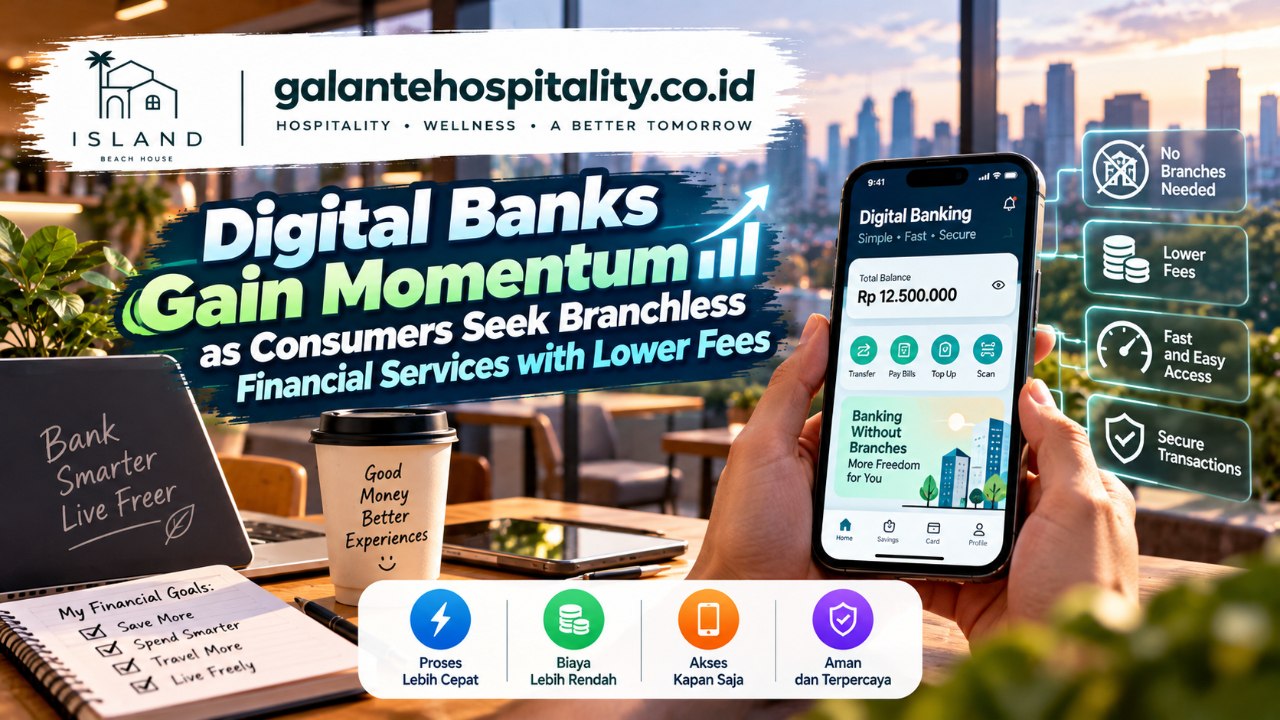

Digital banking is reshaping the financial services industry as consumers increasingly manage everyday transactions through mobile applications rather than visiting physical branches. Digital banks and app-based financial providers offer services such as account management, electronic payments, transfers, savings products, and spending notifications through online platforms.
The growing interest in branchless banking reflects changing consumer expectations. Many customers want financial services that are available around the clock, easy to navigate, and transparent about fees.
Although digital banking has expanded the range of available options, its benefits depend on the provider’s regulatory status, product terms, security practices, and ability to serve customers reliably.
Convenience Drives Digital Banking Adoption
Traditional banking often requires customers to visit a branch for certain services, particularly when opening accounts, resolving complex problems, or accessing specialized assistance.
Digital providers aim to simplify these processes through remote applications and electronic identity verification, subject to local regulations. Customers may be able to open eligible accounts, review transactions, transfer funds, and receive notifications directly from their smartphones.
This accessibility can be valuable for people with demanding work schedules, limited access to nearby branches, or a preference for managing their finances independently.
Digital platforms can also provide a clearer picture of spending. Categorized transactions, balance alerts, and payment reminders help users monitor financial activity without manually reviewing every transaction.
Lower Fees Can Make a Difference
Operating without an extensive branch network may reduce some costs for digital financial providers. Depending on the business model, these savings can support competitive account fees, lower-cost transfers, or more attractive savings features.
However, consumers should not assume that every digital bank is free. Certain services may involve ATM withdrawal charges, foreign-exchange markups, international transfer fees, premium subscriptions, or minimum-balance requirements.
Deposit interest rates and promotional offers also vary. Some advertised benefits may apply only to specific customer groups or require particular account conditions.


