







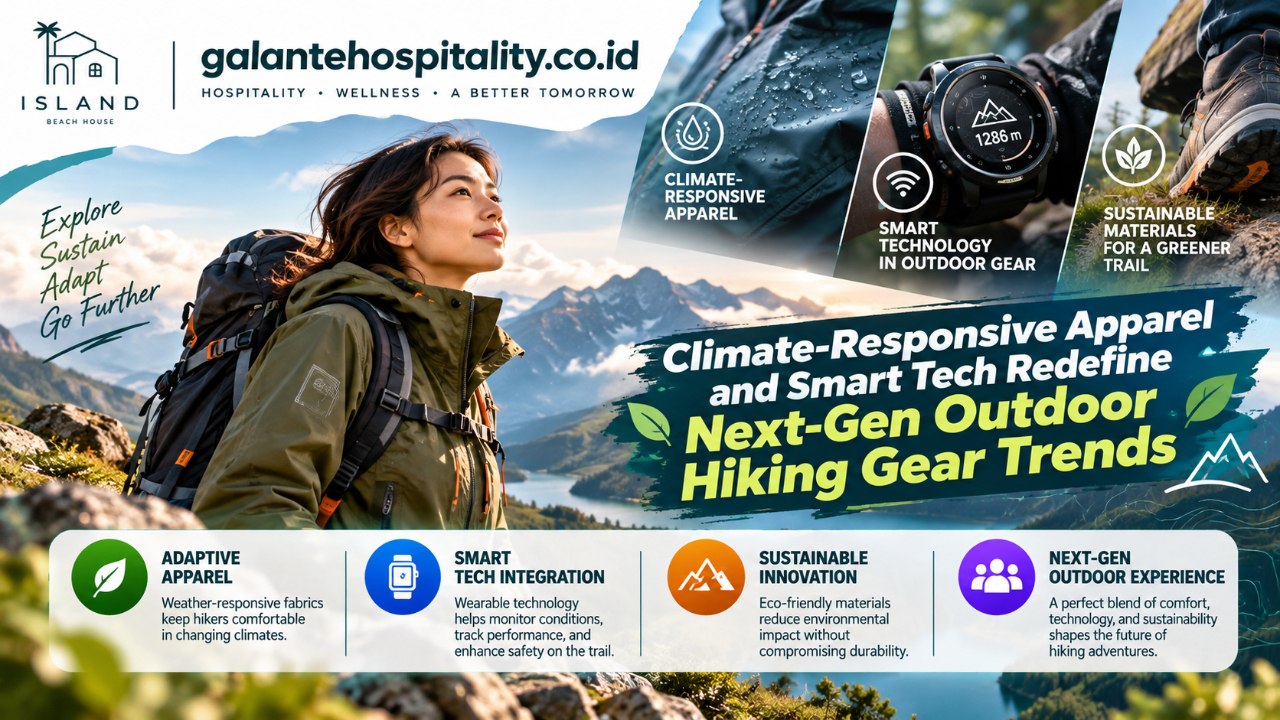

Outdoor hiking gear is entering a new phase as manufacturers combine climate-responsive materials with smart technology to improve comfort, safety, and performance. As hikers explore environments ranging from humid forests to cold mountain trails, the demand for equipment that adapts to changing weather conditions continues to influence product development across the outdoor industry.
Traditional hiking apparel has focused on basic protection against rain, wind, and low temperatures. Newer designs increasingly emphasize breathability, moisture management, lightweight construction, and temperature regulation. These features aim to help hikers remain comfortable during strenuous climbs, sudden weather changes, and extended outdoor adventures.
Climate-responsive fabrics are becoming an important part of this transformation. Some materials are designed to improve ventilation when body temperature rises, while others help retain warmth when temperatures drop. Moisture-wicking textiles can move perspiration away from the skin, helping reduce discomfort during demanding activities. Waterproof and wind-resistant outer layers also continue to evolve, offering protection while balancing breathability.
Beyond fabric innovation, manufacturers are exploring the use of smart technology in hiking equipment. Wearable devices can monitor heart rate, distance, elevation, and other activity measurements. GPS-enabled watches and navigation tools help users track routes, estimate progress, and identify their location in unfamiliar terrain.
Some outdoor products also incorporate environmental sensors or connectivity features that provide additional information during an expedition. Depending on the device, these functions may support weather awareness, navigation, or emergency communication. However, hikers should understand the limitations of their equipment, particularly in remote locations where mobile signals and satellite connections may be unreliable.
Battery life remains a major consideration for technology-enabled hiking gear. Cold temperatures can affect battery performance, while frequent GPS use and continuous sensor monitoring can increase power consumption. Carrying backup power, protecting electronic devices from moisture, and maintaining traditional navigation skills remain sensible precautions.
Footwear is also benefiting from material and design improvements. Manufacturers are developing lighter hiking shoes, more durable outsoles, and constructions intended to provide stability across different surfaces. The most appropriate footwear still depends on terrain, pack weight, weather conditions, and individual fit. Advanced features cannot compensate for poorly fitted shoes or inadequate preparation.
Sustainability is another factor shaping product development. Outdoor brands face growing pressure to extend product life, reduce material waste, and improve transparency around manufacturing. Durable fabrics, repair services, replaceable components, and recycled materials are among the approaches being explored to reduce the environmental impact of outdoor equipment.
For consumers, these innovations create more options but also make purchasing decisions more complicated. A jacket with sophisticated temperature-regulating features may be useful for demanding conditions, while a simpler garment may be sufficient for short day hikes. Hikers should prioritize reliable performance, appropriate protection, comfort, and durability instead of choosing products based solely on technology claims.
The next generation of hiking gear will likely combine practical design with carefully selected digital features. As climate-responsive apparel and smart equipment continue to develop, the most valuable innovations will be those that help people explore the outdoors more safely and comfortably without adding unnecessary weight, complexity, or environmental costs.


