







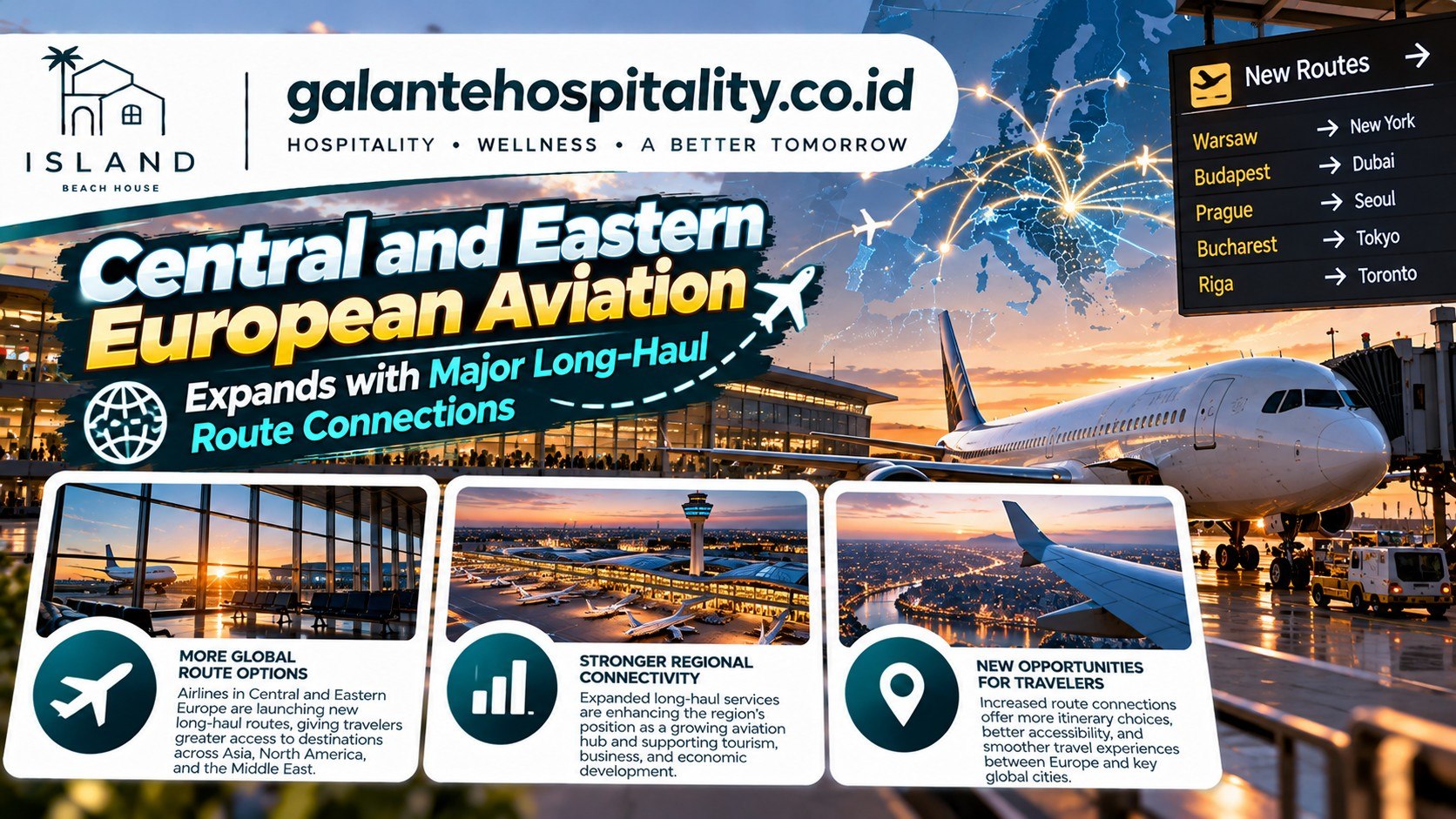

Central and Eastern Europe continues to attract attention from airlines, travelers, and tourism businesses as international travel demand evolves. Improved air connectivity can help the region reach new markets, support business travel, and make destinations more accessible to visitors from outside Europe.
Airline expansion in the region is influenced by several factors, including passenger demand, airport capacity, aircraft availability, operating costs, and competition between major aviation hubs. Long-haul connections can play an important role in this development by linking regional cities with destinations in Asia, North America, and other international markets.
However, new routes are not introduced uniformly across the region. Each airline evaluates commercial conditions before committing aircraft and resources to a long-distance service.
Why Central and Eastern Europe Matters to International Aviation
Central and Eastern Europe includes a diverse group of travel markets, from established business centers to historic cities and emerging leisure destinations.
Cities such as Warsaw, Prague, Budapest, and Bucharest serve different combinations of corporate travel, tourism, and regional connections. Their airports can connect passengers from smaller cities to larger international networks.
The region’s tourism appeal also supports demand for air travel. Visitors are drawn to historic architecture, cultural attractions, food destinations, natural landscapes, and comparatively varied travel budgets.
For airlines, these characteristics create opportunities to develop routes that serve both leisure and business passengers. However, the commercial potential of each route depends on passenger numbers, seasonality, competition, and the availability of suitable aircraft.
Long-Haul Routes Can Strengthen Regional Connectivity
Long-haul services provide direct connections between distant markets, potentially reducing the need for passengers to transfer through traditional Western European hubs.
For travelers, a direct flight can reduce the complexity of a journey and make regional destinations easier to access. Businesses may also benefit from more convenient connections for meetings, investment activities, and international collaboration.
Airlines can use long-haul routes to attract passengers who previously traveled through competing hubs. These services may also support connecting traffic, allowing travelers to continue their journeys through an airline’s broader network.
Nevertheless, direct routes are expensive to operate. Long-distance flights require suitable aircraft, sufficient demand, carefully planned schedules, and reliable airport infrastructure.
Airlines must therefore assess whether a route can generate enough revenue throughout the year rather than relying exclusively on peak-season demand.
Airport Infrastructure and Airline Partnerships
Airport infrastructure plays a central role in route development. Airlines need appropriate terminal facilities, passenger processing capacity, baggage handling, maintenance support, and efficient connections to ground transportation.
Airports may also work with tourism organizations and local authorities to promote new services. Joint marketing campaigns can introduce destinations to new audiences and help airlines build awareness before a route begins operating.
Partnerships between airlines can provide another way to improve connectivity. Codeshare arrangements and interline agreements may allow passengers to combine flights operated by different carriers under more convenient booking arrangements.
These partnerships can extend the reach of a regional airport without requiring every airline to operate its own aircraft to every destination.
Still, additional connections do not automatically guarantee lower fares. Prices depend on competition, demand, operating costs, and the number of seats available.
Tourism Benefits Extend Beyond Major Cities
Improved international access can create opportunities for destinations beyond the region’s largest urban centers.
Travelers arriving through major airports may continue to smaller cities, cultural attractions, rural destinations, and nature-based tourism areas. This can distribute visitor spending across a wider range of businesses.
Hotels, restaurants, local transportation providers, tour operators, and cultural institutions may benefit when improved connectivity brings new visitors to a destination.
To maximize these opportunities, tourism organizations need to coordinate transportation, accommodation, visitor information, and destination marketing.
Smaller destinations also need to consider their capacity to accommodate additional visitors. Sustainable growth requires suitable public services, environmental protection, and effective management of peak-season demand.
Challenges Facing Long-Haul Aviation Expansion
Despite the opportunities, airlines face several challenges when developing long-distance routes.
Aircraft availability and delivery schedules can affect expansion plans. Fuel prices, labor expenses, airport charges, and currency movements can also influence profitability.
Geopolitical developments and changes in travel regulations may alter passenger demand or operating routes. In addition, airlines must consider the possibility that demand will weaken outside the busiest travel periods.
Environmental considerations are becoming increasingly important as aviation companies face pressure to improve fuel efficiency and reduce emissions. Newer aircraft, improved operations, and more efficient route planning can contribute to progress, although long-haul aviation remains energy-intensive.
These challenges mean that route announcements should be assessed alongside actual operating schedules and long-term commercial performance.
What Travelers Should Watch For
Travelers considering Central and Eastern Europe should monitor official airline announcements, airport schedules, and booking systems for confirmed route launches.
A proposed route, a seasonal service, and a year-round connection are not the same. Travelers should verify operating dates, frequency, baggage policies, and connecting arrangements before making plans.
Flexibility can be useful when comparing airports and departure dates. In some cases, flying through a larger hub may remain more practical than waiting for a direct service.
For tourism businesses, new air connections can provide a reason to review marketing strategies and develop packages aimed at new international markets.
A Region with Opportunities for Aviation Growth
Central and Eastern Europe’s aviation market offers opportunities for airlines seeking to connect emerging tourism destinations with global passenger networks. Long-haul services can strengthen accessibility, support business travel, and help spread tourism demand beyond traditional European hubs.
However, expansion depends on commercially viable routes, suitable infrastructure, and consistent passenger demand. Announced services must also translate into reliable operations before their full benefits can be realized.
As airlines continue to adjust their networks, the region’s future growth will depend on balancing connectivity with financial sustainability and responsible tourism development.


