







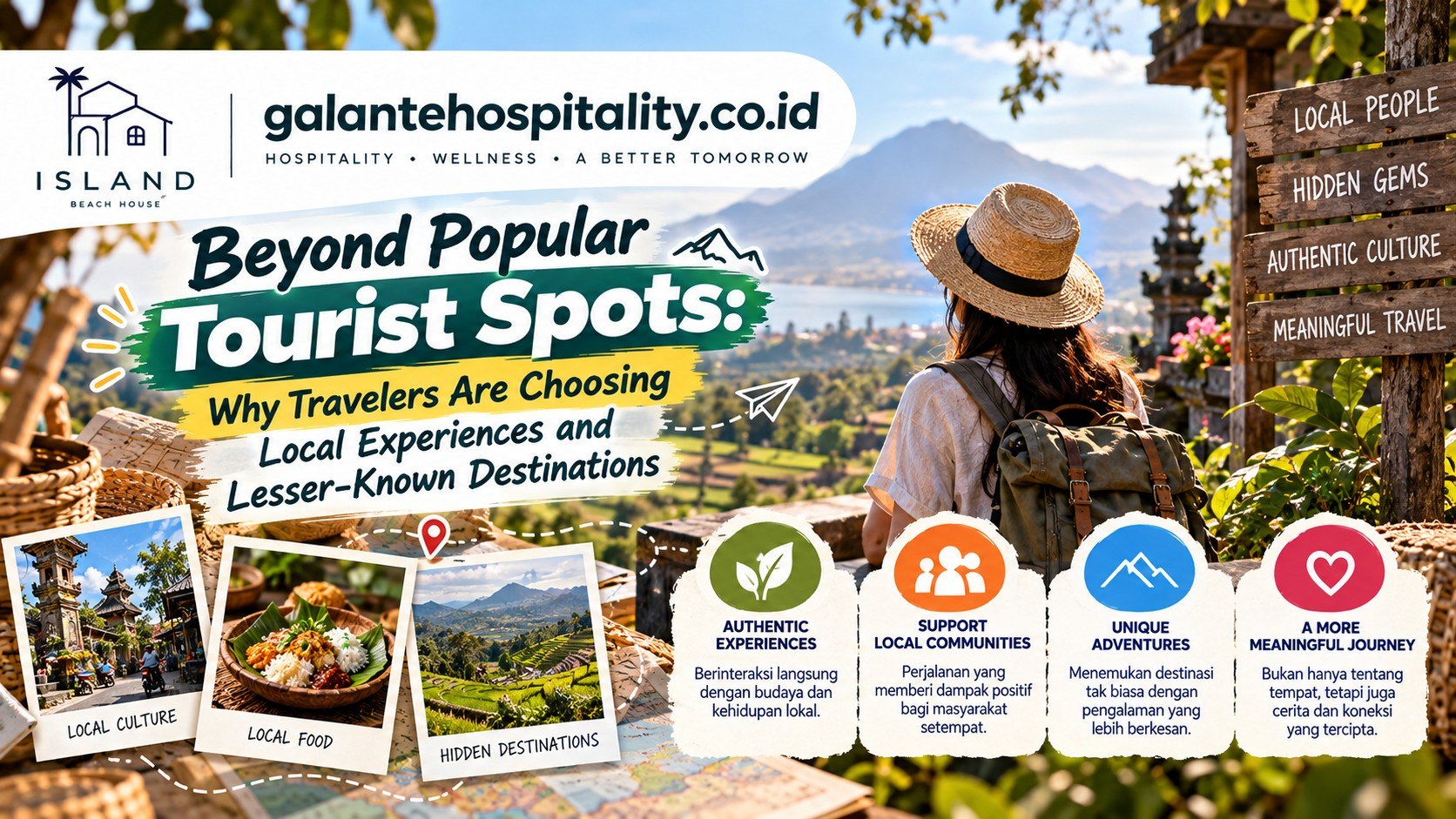

Travel is increasingly about more than visiting famous landmarks and taking photographs. Many travelers want to understand local cultures, discover regional food, spend time in nature, and experience destinations in ways that feel more personal.
This interest has encouraged travelers to explore smaller towns, neighborhood businesses, community-based tourism projects, and destinations outside traditional tourist routes. Rather than following a crowded itinerary, visitors may choose to spend more time in one area and develop a deeper understanding of the place they are visiting.
Although travel preferences differ, local experiences offer an alternative for people seeking meaningful activities, cultural connections, and a different pace of exploration.
Why Travelers Are Looking Beyond Famous Attractions
Popular destinations remain attractive because they often provide recognizable landmarks, established facilities, and convenient transportation. However, high visitor numbers can sometimes result in long queues, crowded public spaces, and higher demand for accommodation.
Lesser-known destinations may offer a quieter atmosphere and opportunities to discover local traditions. Travelers might explore a small coastal community, visit a regional food market, join a guided nature walk, or learn about traditional crafts from local producers.
These experiences can create a stronger connection with the destination because visitors interact with people who live and work there.
Nevertheless, less popular does not automatically mean better. Travelers should consider transportation access, safety, available facilities, environmental conditions, and whether the destination can accommodate visitors responsibly.
Local Businesses Help Shape the Travel Experience
Independent restaurants, family-run accommodation, local guides, artisans, and community enterprises can play an important role in creating distinctive travel experiences.
Choosing these businesses may allow travelers to discover regional specialties and learn about the traditions behind local products. A cooking class, for example, can introduce visitors to local ingredients and preparation methods, while a guided village walk may explain the history and daily life of the community.
Local businesses may also benefit when visitor spending remains within the destination. However, these benefits depend on fair business practices, responsible tourism management, and the distribution of economic opportunities.
Travelers can support local communities by purchasing authentic products, respecting cultural rules, and paying appropriate prices for services. Asking permission before photographing people or entering private spaces is also an important part of responsible travel.
Digital Tools Make Discovery Easier
Travel websites, digital maps, online reviews, and social media have made it easier to discover destinations that receive less international attention.
Travelers can use these resources to compare transportation options, identify local attractions, check opening hours, and plan routes. Digital maps can also help visitors understand distances between destinations and avoid creating unnecessarily complicated itineraries.
However, online popularity should not be the only factor guiding travel decisions. Some recommendations may be outdated, sponsored, or based on individual preferences that do not match another traveler’s needs.
Before visiting a lesser-known destination, travelers should verify practical details through reliable sources. This is especially important when visiting remote areas where public transportation, medical facilities, or mobile connectivity may be limited.
Responsible Travel Protects Local Communities
Discovering new places brings responsibilities. A destination with a small population or limited infrastructure may struggle if visitor numbers increase too quickly.
Travelers can reduce their impact by following local regulations, respecting religious and cultural practices, reducing waste, and avoiding activities that harm wildlife or sensitive environments.
Choosing locally operated tours can also provide opportunities to learn about conservation and community priorities. In natural areas, visitors should stay on designated trails, avoid disturbing animals, and follow guidance from qualified local professionals.
Travelers should also recognize that communities have the right to determine how tourism develops in their neighborhoods. A memorable experience should not come at the expense of residents’ privacy, cultural traditions, or access to essential resources.
Planning a More Meaningful Trip
A rewarding trip does not necessarily require visiting as many attractions as possible. Travelers can begin by identifying what interests them most, whether that means food, history, outdoor activities, art, or everyday local culture.
Allowing additional time in one destination can make a journey less stressful and create opportunities for spontaneous discoveries. It can also reduce the need for frequent transfers, which may save money and simplify travel arrangements.
Before departure, travelers should establish a realistic budget, confirm accommodation details, check relevant entry requirements, and understand local transportation options.
Exploring beyond famous tourist spots offers a different way to experience the world. By supporting local businesses, respecting communities, and planning responsibly, travelers can discover meaningful experiences while helping protect the character of the places they visit.


