







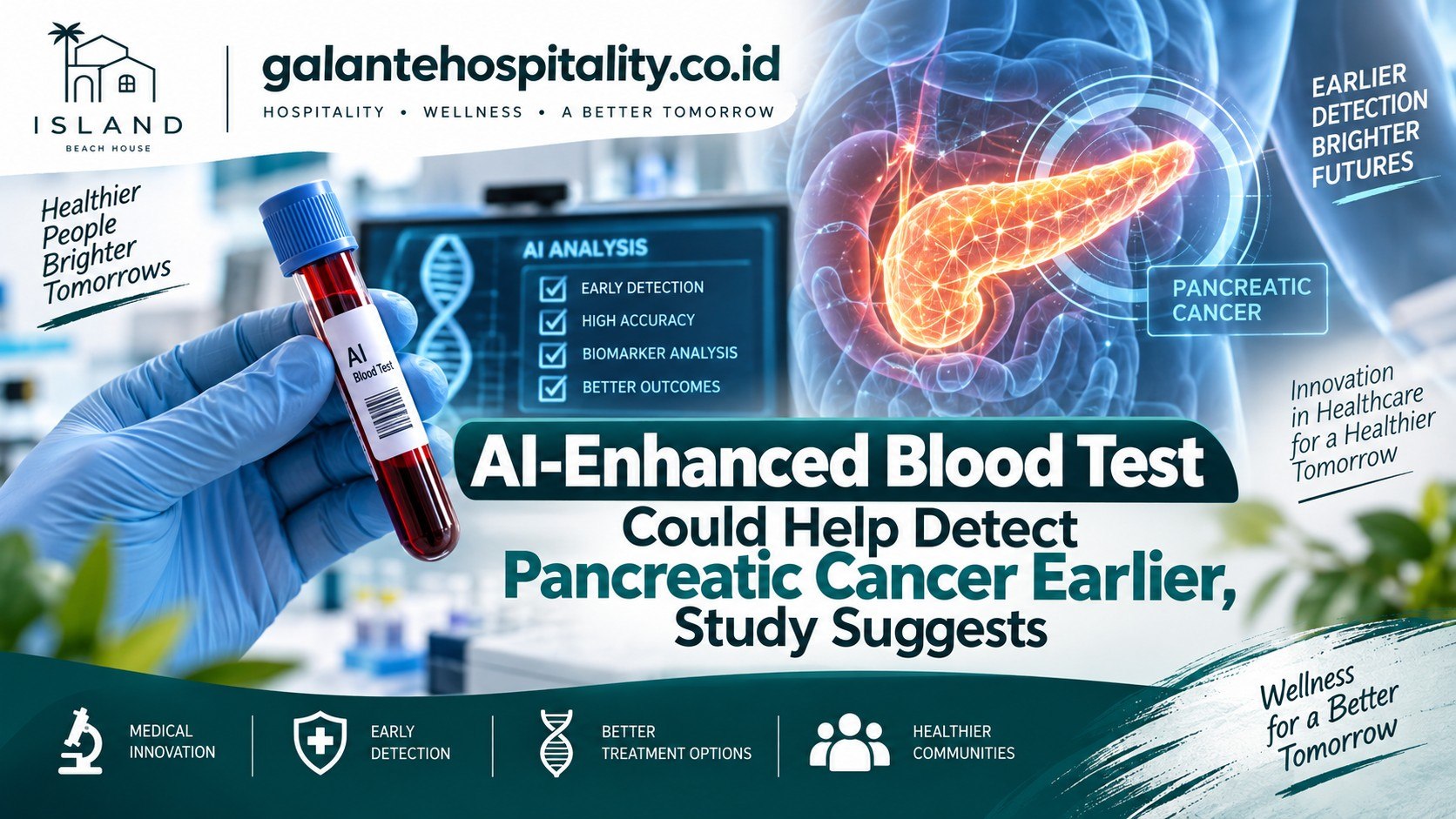

Researchers Explore AI-Powered Blood Test for Pancreatic Cancer
Researchers are exploring a new approach that combines artificial intelligence with biological markers to help detect pancreatic cancer at an earlier stage.
Pancreatic cancer is often difficult to identify early because symptoms can be subtle or may not appear until the disease has progressed. This has encouraged scientists to investigate new screening and diagnostic methods that could potentially identify warning signs through less invasive testing.
One area receiving growing attention is the use of blood samples. Instead of relying only on traditional diagnostic methods, researchers are studying whether patterns found in blood could provide useful information about the presence of cancer.
How Artificial Intelligence Could Support Detection
Artificial intelligence can process large amounts of biological data and identify patterns that may be difficult to recognize through conventional analysis.
In the research approach, AI is used alongside biological markers to examine signals that could distinguish pancreatic cancer from other conditions. The goal is not simply to create another laboratory test, but to determine whether a combination of different signals can improve the ability to identify cancer at an earlier stage.
If further research confirms the findings, this type of technology could eventually become part of a broader diagnostic pathway.
However, an investigational test should not be considered a replacement for established medical evaluation. Researchers still need to assess its accuracy, reliability and performance across larger and more diverse populations.
Why Earlier Pancreatic Cancer Detection Matters
Pancreatic cancer presents a major diagnostic challenge because early symptoms can overlap with more common health problems.
Changes such as abdominal discomfort, digestive problems, unexplained weight loss or changes in appetite can have many possible causes. As a result, pancreatic cancer may not immediately be suspected.
Earlier detection could potentially give patients more opportunities to discuss treatment options with medical professionals.
Researchers therefore continue to look for methods that are accurate, practical and capable of identifying the disease before it becomes more advanced.
AI Could Change the Future of Cancer Testing
The growing use of AI in healthcare is opening new possibilities for analyzing complex medical information.
AI-based tools are being investigated across different areas of medicine, including medical imaging, pathology and disease risk assessment. Blood-based testing represents another potential application.
For pancreatic cancer, the combination of AI and biological markers could eventually provide doctors with additional information when evaluating patients who may require further investigation.
Still, promising research needs to go through extensive validation before it can become a routine clinical tool.
Patients Should Still Follow Medical Advice
People experiencing persistent or unusual symptoms should consult a qualified healthcare professional rather than relying on an emerging AI-based test or online health information.
A doctor can evaluate symptoms, medical history and other risk factors before deciding whether additional examinations are necessary.
As research continues, AI-enhanced blood testing could become an interesting area in the development of earlier cancer detection. Its eventual role will depend on evidence from further clinical studies and regulatory evaluation.


