







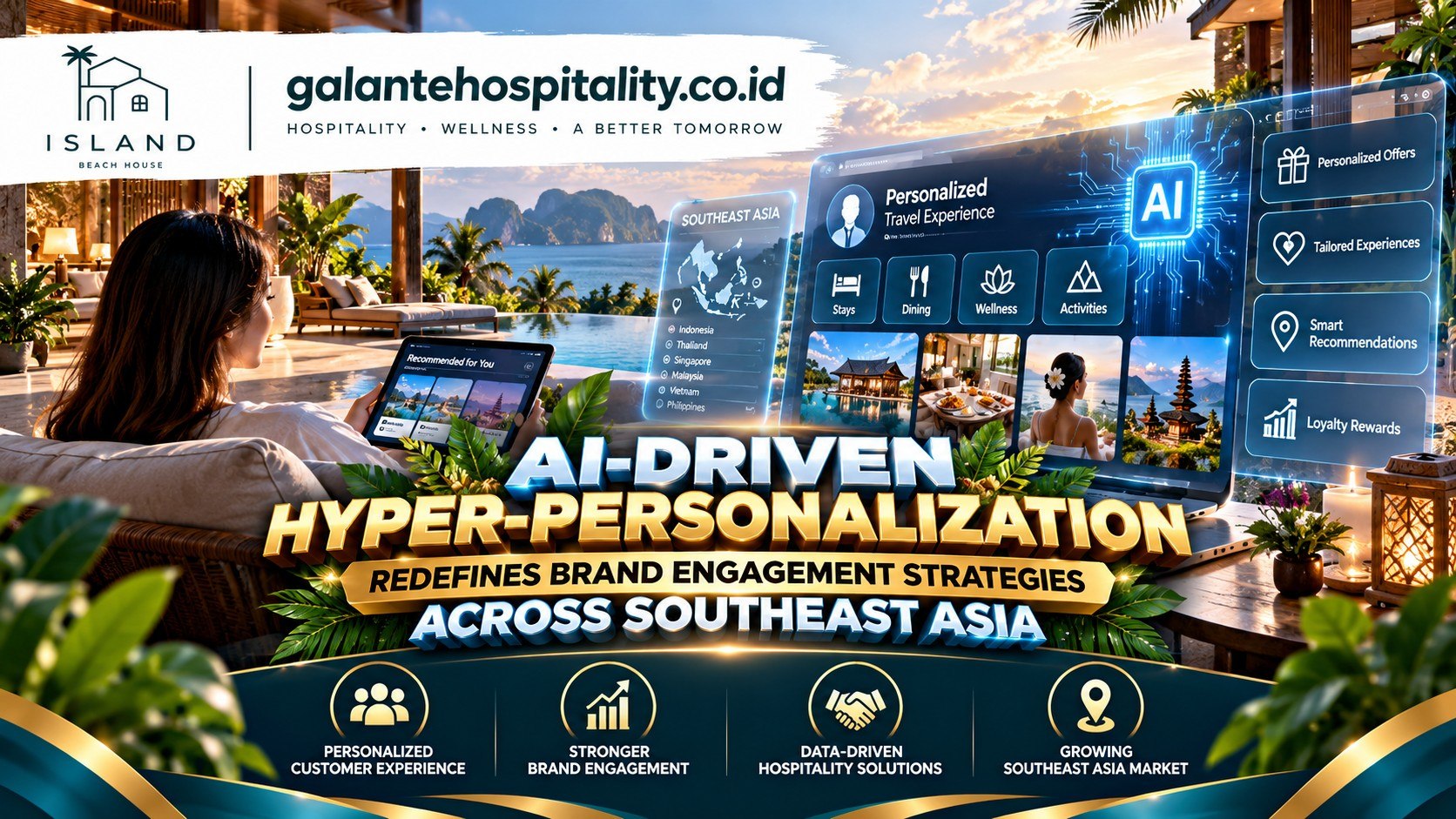

Enterprise brands across Southeast Asia are fundamentally restructuring their customer acquisition and retention strategies by integrating generative artificial intelligence into core marketing workflows. Moving past traditional demographics-based segmentation, commercial marketing teams are adopting real-time data architecture to deliver tailored customer experiences across digital channels.
Market intelligence indicates that brands utilizing predictive algorithms and machine learning frameworks are recording higher conversion rates, improved customer lifetime value (LTV), and lower customer acquisition costs (CAC) in increasingly competitive digital markets.
Evolution from Basic Segmentation to Real-Time Contextual Marketing
Traditional digital marketing relied heavily on static audience bucketing, such as grouping consumers by age, geographic location, or broad interest categories. However, modern consumer touchpoints require immediate, context-aware interaction.
+-------------------------------------------------------------------+
|            TRADITIONAL vs. HYPER-PERSONALIZED MARKETING           |
+-------------------------------------------------------------------+
| Strategy Dimension             | Modern AI Approach               |
+--------------------------------+----------------------------------+
| Audience Segmentation          | Dynamic individual behavior      |
| Content Delivery               | Real-time dynamic generation     |
| Data Sources                   | Unified first-party data streams |
+--------------------------------+----------------------------------+
Core Drivers of Hyper-Personalization:
- Behavioral Prediction: Machine learning models analyze real-time browsing paths, basket alterations, and content dwell times to predict purchase intent.
- Dynamic Ad Generation: Generative AI tools automatically adjust visual creative assets and ad copy to match specific user preferences.
- Omnichannel Synchronization: Customer interactions across social media, mobile applications, e-commerce storefronts, and messaging channels are synthesized into a single profile.
External Reference: Explore digital marketing research and insights on theInteractive Advertising Bureau (IAB) Portal(Outbound Link Suggestion).
2. Unifying First-Party Data Infrastructure
As major web browsers phase out third-party cookies and regulatory bodies enforce stricter data privacy laws—such as Indonesia’s Personal Data Protection (PDP) Law—brands must rely on consented first-party data ecosystems.
                  First-Party Data Integration Architecture
                                     |
     +-------------------------------+-------------------------------+
     |                                                               |
     v                                                               v
[Customer Data Platforms (CDP)]                     [Predictive AI Engine]
Consolidating transactional, behavioral,            Processing raw telemetry into actionable,
and engagement telemetry into clean profiles        automated communication triggers
1. Centralized Data Architecture
Enterprise brands are investing heavily in enterprise Customer Data Platforms (CDPs). By breaking down data silos between sales, customer service, and digital marketing teams, companies build holistic profiles that inform every automated customer interaction.
2. Privacy-Compliant Value Exchanges
To encourage voluntary data sharing, brands offer tangible value in exchange for zero-party data, such as tailored product recommendations, priority loyalty rewards, and customized interactive content.
3. Impact on Conversions and Customer Retention
The adoption of real-time behavioral personalization yields measurable improvements across the entire sales funnel:
                 +---------------------------------+
                 |   MARKETING PERFORMANCE GAINS   |
                 +---------------------------------+
                                   |
   +-------------------------------+-------------------------------+
   |                               |                               |
   v                               v                               v
[Higher CTR & Conversions] [Lower Abandoned Carts]  [Improved Brand Loyalty]
Relevant product placements Automated context-aware  Tailored post-purchase
drive higher click rates   reminders recover sales   nurturing builds retention
Marketers leveraging automated predictive engines report significant drops in cart abandonment rates, as personalized follow-ups address specific buyer hesitation points with relevant offers.
4. Future Outlook for AI-Powered Brand Engagement
The transition toward automated, predictive brand messaging represents a structural shift in commercial communications. As predictive algorithms become more accessible to mid-market enterprises, brands operating in Southeast Asia that successfully balance privacy compliance with hyper-personalized consumer value will build sustainable competitive advantages in the evolving digital economy.


