







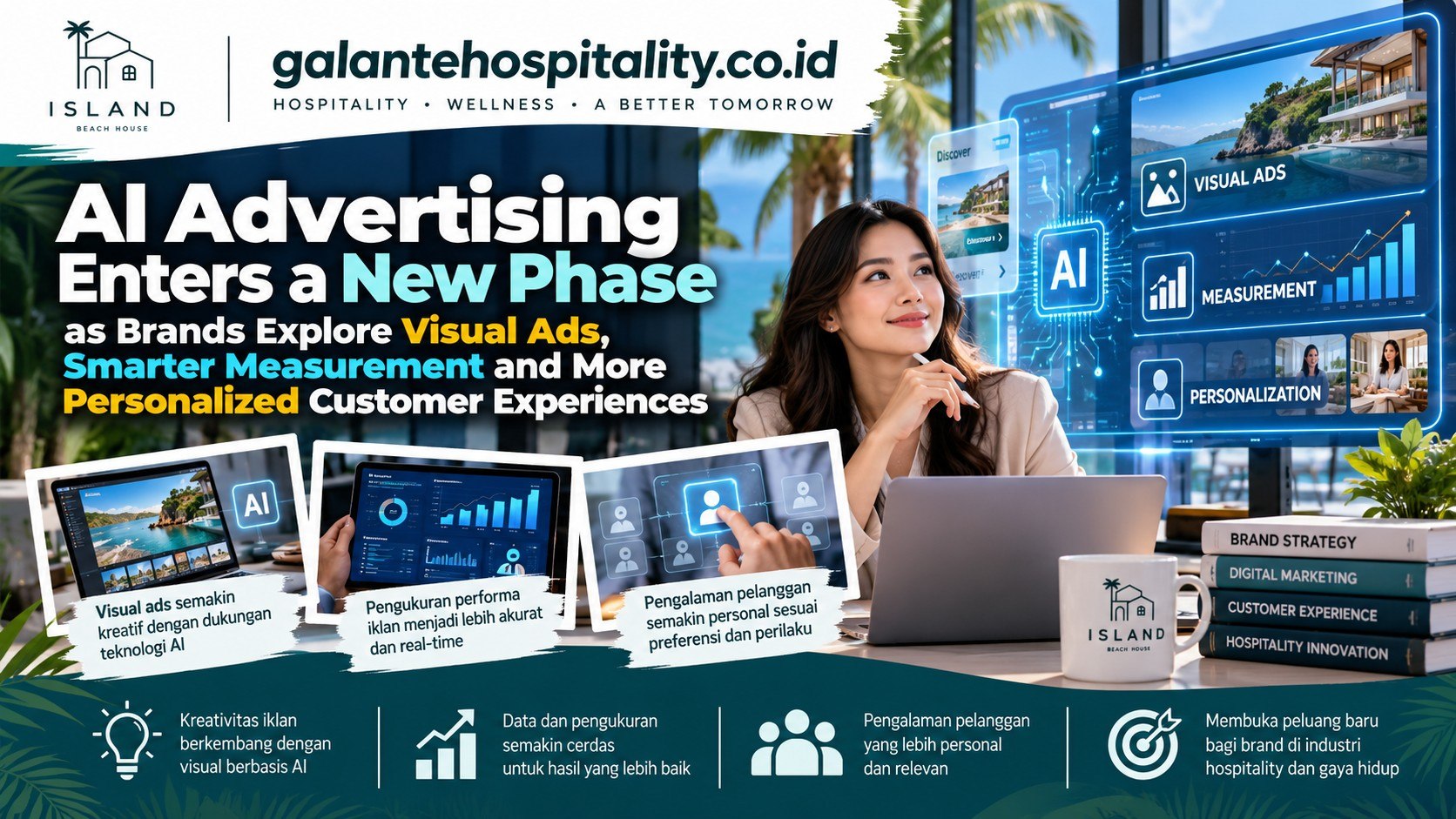

Artificial intelligence is changing digital marketing at a rapid pace. Brands are no longer using AI only for writing content or analyzing customer data. Advertising is also entering a new phase, with marketers exploring visual formats, automated measurement, personalized experiences, and new ways to connect products with potential customers.
The shift is important because consumers are increasingly interacting with brands through digital platforms. Search engines, social media, shopping applications, and AI-powered services are becoming part of the same customer journey. As a result, companies need marketing strategies that can adapt to different environments while maintaining a consistent brand message.
AI Is Changing How Digital Advertising Works
Traditional digital advertising often requires marketers to manually select audiences, create campaigns, analyze performance, and adjust budgets. AI can help automate many of these processes.
Modern advertising systems can process large amounts of information and identify patterns that may not be immediately visible to marketing teams. This can help advertisers understand which audiences are more likely to respond to particular messages, products, or creative formats.
AI can also assist with campaign optimization. Instead of waiting for a campaign to finish before evaluating its results, marketers can use real-time information to make adjustments while the campaign is running.
This does not mean human marketers are becoming unnecessary. Instead, AI is increasingly becoming a supporting technology that allows marketing teams to spend more time on strategy, creativity, brand positioning, and customer relationships.
Visual Advertising Becomes More Important
Visual content has become a major part of online marketing. Consumers often make quick decisions when browsing websites, social platforms, and digital shopping environments.
Images, short videos, interactive formats, and other visual elements can help brands communicate product benefits more quickly than text alone.
AI is making visual advertising easier to produce and personalize. Marketers can experiment with different creative concepts, messages, layouts, and audiences without having to rebuild every campaign manually.
However, producing more content does not automatically create better marketing. Brands still need to understand their audience and maintain a recognizable visual identity.
A campaign can use advanced technology while still feeling human, relevant, and authentic.
Personalization Moves Beyond Basic Recommendations
Personalized marketing has existed for years, but AI is making it more sophisticated.
Basic personalization may involve showing a customer products related to previous purchases. AI-powered systems can potentially consider a wider range of signals, including browsing behavior, preferences, timing, and interactions with different types of content.
This can create more relevant customer experiences.
For example, a person researching running shoes may receive information about different shoe categories, training accessories, or outdoor activities rather than seeing completely unrelated advertisements.
The goal is not simply to show more advertisements. The goal is to make advertising more useful.
Measurement Is Becoming a Central Marketing Challenge
As digital advertising becomes more complex, measurement is becoming increasingly important.
Marketing teams want to understand whether their advertising actually contributes to business results. Clicks and impressions remain useful, but they do not always provide a complete picture.
Brands are therefore paying greater attention to metrics such as conversion rates, customer acquisition costs, engagement quality, repeat purchases, and overall return on advertising investment.
AI can help analyze these metrics faster, but marketers still need to determine which measurements matter most for their business.
A company focused on brand awareness may evaluate success differently from an online retailer focused on direct sales.
Brands Still Need Human Creativity
One of the biggest misconceptions about AI marketing is that technology can completely replace creative thinking.
In reality, successful advertising still depends on ideas.
AI can help generate variations, analyze data, and identify opportunities. But a strong campaign needs a clear purpose, memorable storytelling, and an understanding of human behavior.
Consumers can quickly recognize advertising that feels generic or overly automated. Brands that combine AI efficiency with human creativity may have a stronger opportunity to build lasting relationships.
The Future of AI Advertising
AI advertising is likely to continue evolving as platforms introduce new tools and consumers become more comfortable interacting with AI-powered services.
The most successful brands will not necessarily be those that use the most technology. They will be the companies that use technology in ways that genuinely improve the customer experience.
AI can help marketers understand audiences, optimize campaigns, personalize messages, and produce creative variations. Human teams remain responsible for deciding what the brand should say and why customers should care.
The future of marketing is therefore less about replacing people with AI and more about combining intelligent technology with strong strategy and authentic communication.


