







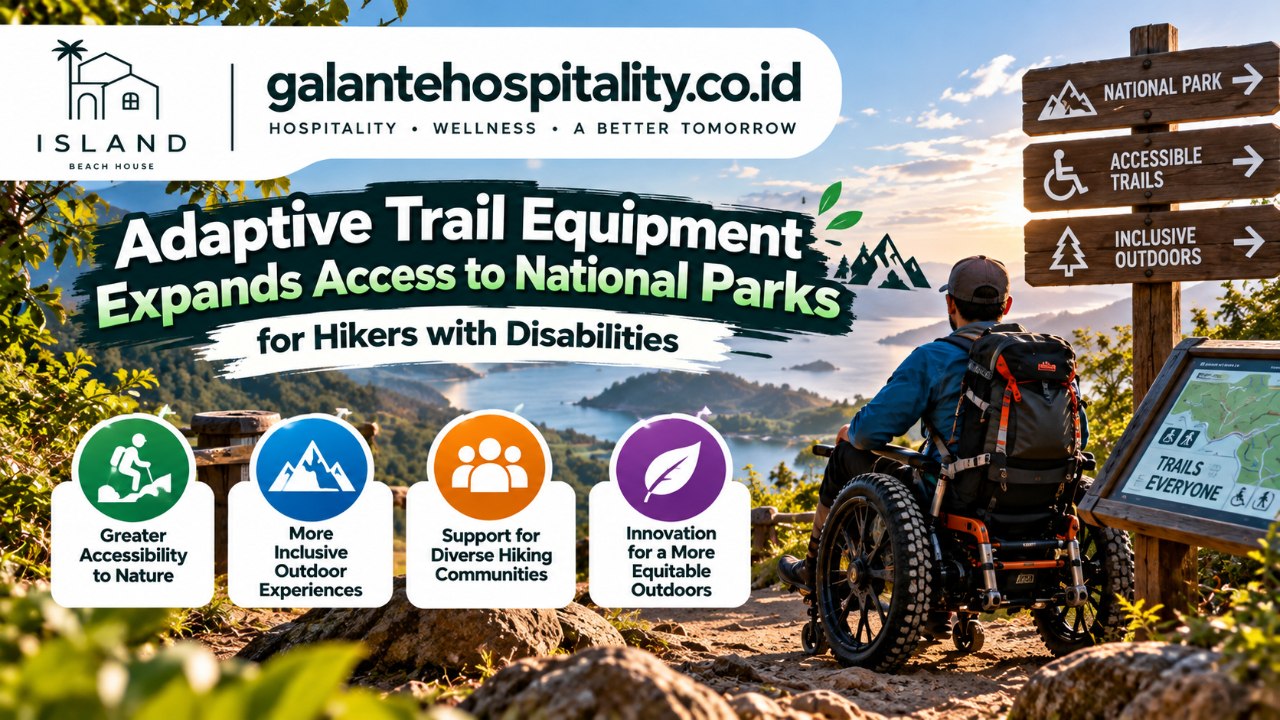

Outdoor recreation is becoming an increasingly important part of conversations about accessibility, inclusion, and public health. National parks and hiking destinations offer opportunities to experience nature, improve physical fitness, and connect with local environments. However, uneven terrain, steep slopes, narrow pathways, and limited facilities can make these experiences difficult for people with disabilities.
Adaptive outdoor equipment and more inclusive trail design are helping address some of these barriers. From specialized mobility devices to accessible trail surfaces and improved visitor facilities, these developments are encouraging outdoor organizations to consider how more people can participate in nature-based activities.
Adaptive Equipment Creates New Opportunities
Traditional hiking equipment is not suitable for every visitor. People with mobility limitations may need specialized wheelchairs, all-terrain mobility devices, supportive seating systems, or other equipment designed for outdoor conditions.
Unlike standard mobility aids intended primarily for indoor environments, adaptive equipment for outdoor recreation may feature wider wheels, stronger frames, improved stability, and designs intended to handle uneven surfaces.
Some parks and outdoor organizations also provide adaptive equipment through reservation programs, guided excursions, or partnerships with accessibility groups. These arrangements can reduce the financial barriers associated with purchasing specialized equipment.
Availability varies considerably by destination, so visitors should check equipment requirements, reservation policies, route conditions, and available assistance before planning a trip.
Accessible Trails Require More Than Specialized Equipment
Equipment alone cannot make every trail accessible. The physical design of a route plays an equally important role in determining whether visitors can navigate it safely.
Trail surfaces, gradients, pathway width, turning space, drainage, and resting areas can influence accessibility. Clear signage and information about elevation changes also help visitors decide whether a particular route matches their needs.
Some destinations can improve access by maintaining smoother trail sections, creating accessible viewing platforms, and providing suitable rest areas. Others may need more substantial infrastructure changes because of steep terrain or environmental restrictions.
Accessibility improvements should be designed carefully to protect natural habitats while providing practical access. Park managers may need to consult engineers, conservation specialists, disability advocates, and local communities before making significant changes.
Better Information Helps Visitors Plan Ahead
Reliable information can make the difference between a successful outdoor trip and an inaccessible destination. Visitors need to know more than whether a park describes itself as accessible.
Useful details include the surface material, route length, steepest sections, accessible parking availability, restroom facilities, and the distance between resting points. Information about temporary closures and weather-related trail conditions is also important.
Digital maps and visitor websites can make these details easier to find. However, information should be regularly updated to reflect maintenance work, damaged surfaces, and changing environmental conditions.
Park staff can further improve the experience by offering clear communication about available services and explaining any limitations before visitors arrive.
Inclusive Outdoor Recreation Benefits Communities
Making trails more accessible can expand participation among people with disabilities, older adults, families with young children, and visitors who need additional support.
Local tourism businesses may also benefit when destinations become easier for a wider range of visitors to enjoy. Accessible transportation, accommodation, dining facilities, and visitor services can help create a more complete experience beyond the trail itself.
The process should involve people with disabilities directly. Their feedback can reveal practical barriers that might otherwise be overlooked during planning and construction.
Inclusive design also benefits from recognizing that disabilities and mobility needs differ. A route that works well for one visitor may not be suitable for another, making accurate information and multiple access options particularly valuable.
Balancing Accessibility and Conservation
National parks must balance visitor access with the protection of wildlife, vegetation, and sensitive ecosystems. New infrastructure should therefore be planned according to environmental conditions and conservation priorities.
In some locations, accessible viewpoints or carefully designed boardwalks may provide opportunities to experience nature without extensive changes to surrounding habitats. In other areas, terrain and ecological sensitivity may limit the available options.
The objective is not to make every trail identical. It is to identify meaningful opportunities for participation while communicating limitations honestly.
As adaptive equipment and inclusive planning continue to develop, national parks have an opportunity to create outdoor experiences that welcome more visitors. Combining appropriate equipment, reliable information, accessible facilities, and environmental protection can help make nature-based recreation more inclusive and sustainable.


